Italian archaeologist and art historian Antonio Corso is considered an expert in ancient Greek sculptures. In an interview to protothema.gr he provides his theory, backed by evidence, on the Amphipolis complex.
The tumulus lies in northern Greece’s Macedonia province, east of the city of Thessaloniki and nearer to the town of Serres.
The main parts of his interview state:
-There is a correlation between the Amphipolis Tomb complex and the royal Macedonian dynasty of the Temenids and Alexander the Great.
-The Sphinx and Caryatids exclude any other dating besides the end of the 4th century BC.
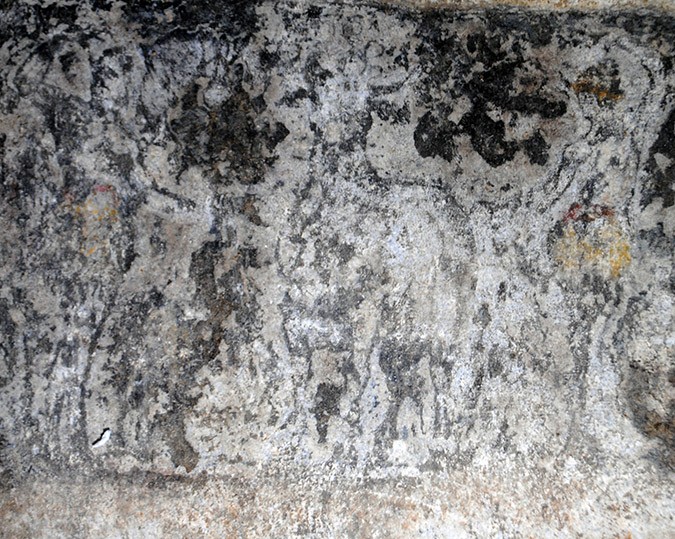
-The silhouettes on the painted architraves point to the victory of Alexanader versus the Persians, but to the Delphi oracle as well.
-The tomb was built “over” a former site of worship, dedicated to local goddess “Phyllis”.

Corso considers that the Amphipolis tumulus is clearly Macedonian, and is dated to between 330-320 B.C. He said it was probably built by noted ancient architect Denocrates, in honor of a famous warrior. This is based on current findings publicized already, as well as many that have surely been found and have not been made public.
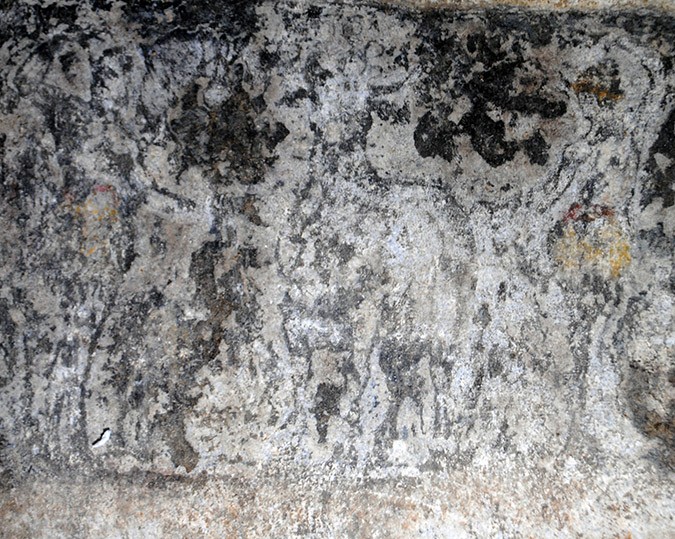
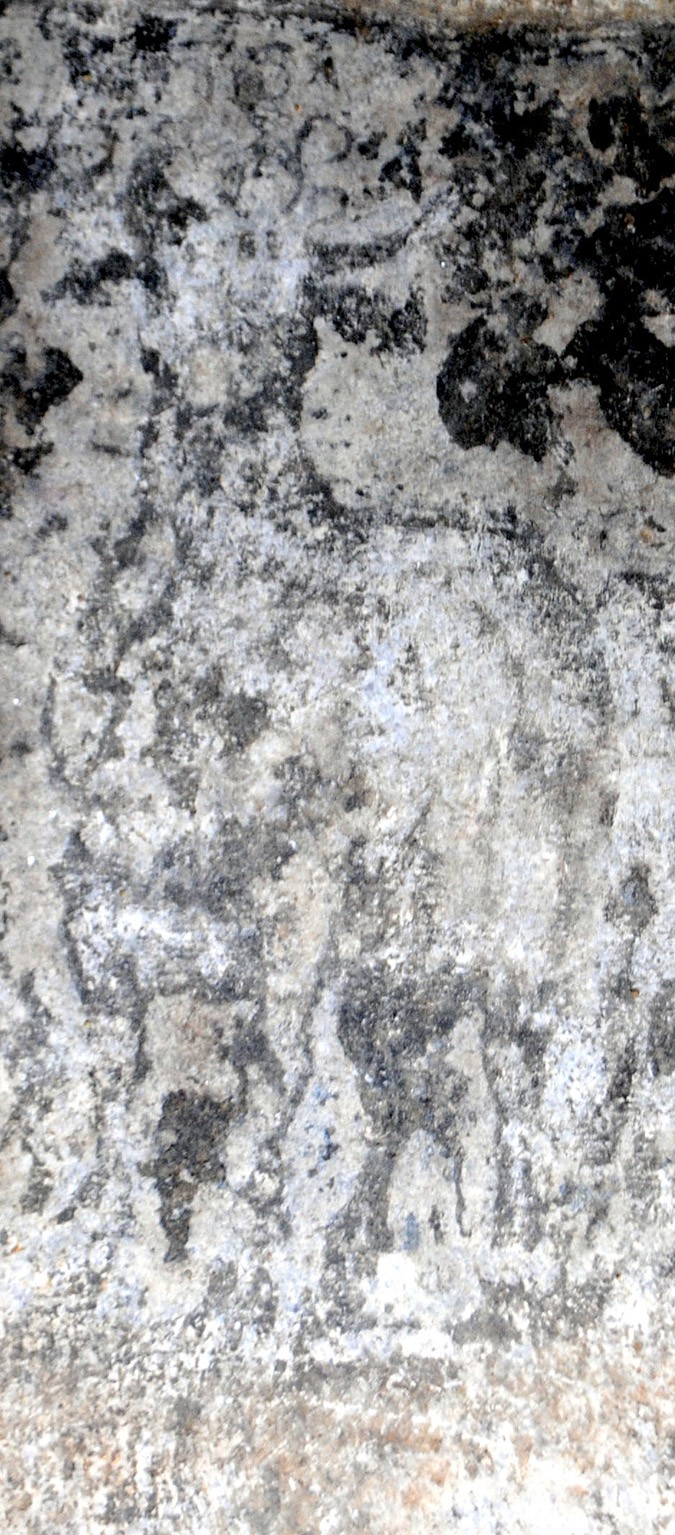
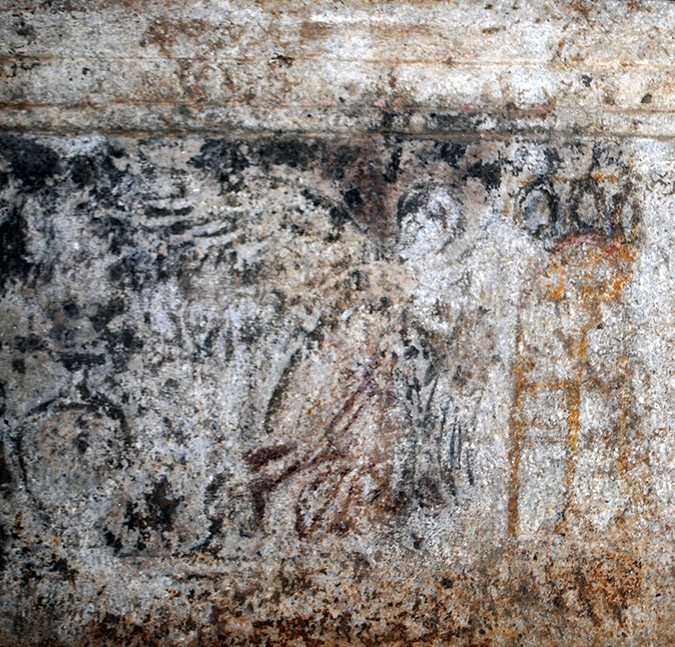
An important find is the painted architraves: The images depicted on them, such as Nike, the tripod, the bull, the palm tree, point to a direct correlation with Delphi. According to his opinion, this symbolic connection with Delphi points to the fact that the Amphipolis complex is a monument dedicated to Alexander the Great’s victory over the Persians. In 470 BC, Athenian strategos (general) Kimon, dedicated a palm tree to Apollo of Delphi after his victory against the Persians near the Evrimedon River. The Amphipolis tomb’s builders, probably inspired by this, repeated the symbolic dedication to the great victory of Alexander’s army, to which the tomb’s primary resident could not but have played a key role.
Corso also clarified that he considers the skeletons discovered in the tomb as not the ones originally entombed, since their bodies were almost “discarded” there. He also considers that a high-ranking official, a miliary officer or legendary warrior was originally buried there. He supports the view that the tomb is not connected to Alexander’s mother, Olympias.
The reasons on why the Amphipolis site was chosen are easily explained, according to Corso. It was the launching point of Alexander the Great’s campaign in the east. Aegae and Pella were important to the ancient Macedonians but they were not as closely linked to the campaign in the east as was Amphipolis.
Finally, Corso believes that evidence that can point to a revelation of the mystery are right in front of us. The statues and paintings on the architraves speak volumes. The tomb’s dating cannot move past the last quarter of 4th century BC, and this is indicated by the form of the “Kores” (Caryatids is a wrong characterization, which has prevailed due to the famous statues on the Acropolis). These “Kores” (daughters/young women) bear a specific style of girdle under their breasts, which is very fashionable in sculptures dating to around 340 BC, as we know from the Attic Document Reliefs / Urkundenreliefs.
Their sandals are also fashioned in a manner similar to the statues of the aforementioned era, which is seen also in the Olympia Hermes, Gabii’s Artemis. This is a style which is often attributed to Praxitelis, and was later copied by Roman or subsequent sculptors. This places the “Kores” of Amphipolis at around 330 BC. The zig-zagged hem of the statues’ tunic can also be analyzed, which is another Ionian-style standard favoured by the Artemision (Ephesus) sculptors.

Other symbolisms in the tomb include: The Caryatids are closely tied to death, since, even in ancient Athens, they are considered as guards of the tomb of Erechtheus. The Sphinxes were not facing each other, as many people seem to think. One had its head pointing towards the entrance, the other outside. This is clear symbolism between the worlds of the living and the dead. The procession of the tomb’s chambers, which leads deeper within the complex, is a religious and psychologically educating experience.
All of the tomb’s characteristics combine to form a clear reference point: Apollo was the Olympian god who granted the Macedonians their victory. Apollo is connected irrevocably with Delphi, as is Dionysus, which – in the pre-Hellenistic era – had become as important as Apollo.
The Delphi temple, as we know, depicts Apollo in the eastern pediment, accompanied by the Nine Muses, whereas the western pediment depicts Dionysus amongst the Maenads. Thus, the similarities found on the Amphipolis tomb predate this back to the 4th century BC.


Ask me anything
Explore related questions