

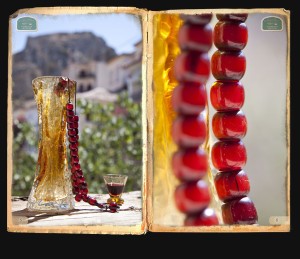
Komboloi (worry beads) is a string of beads manipulated with one or two hands that serves several purposes in the Greek culture, such as passing the time, helping people in their effort to quit smoking and even – in some rare cases – protecting them from the “evil eye”, working as an amulet.
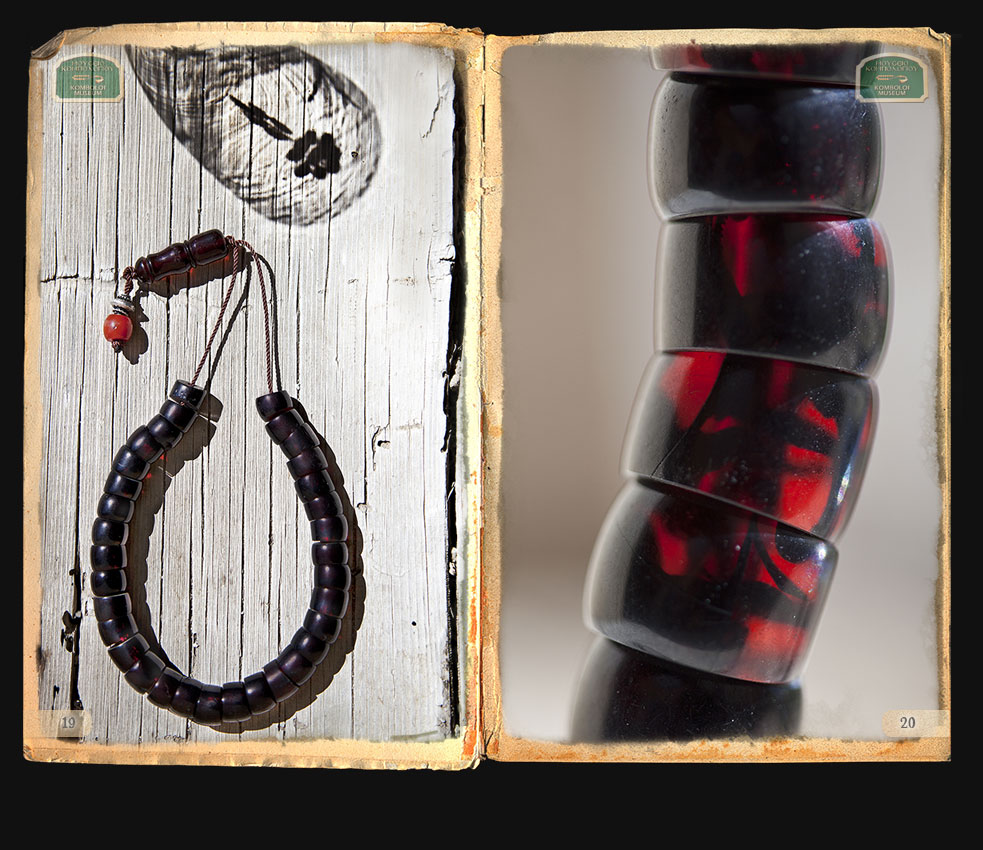
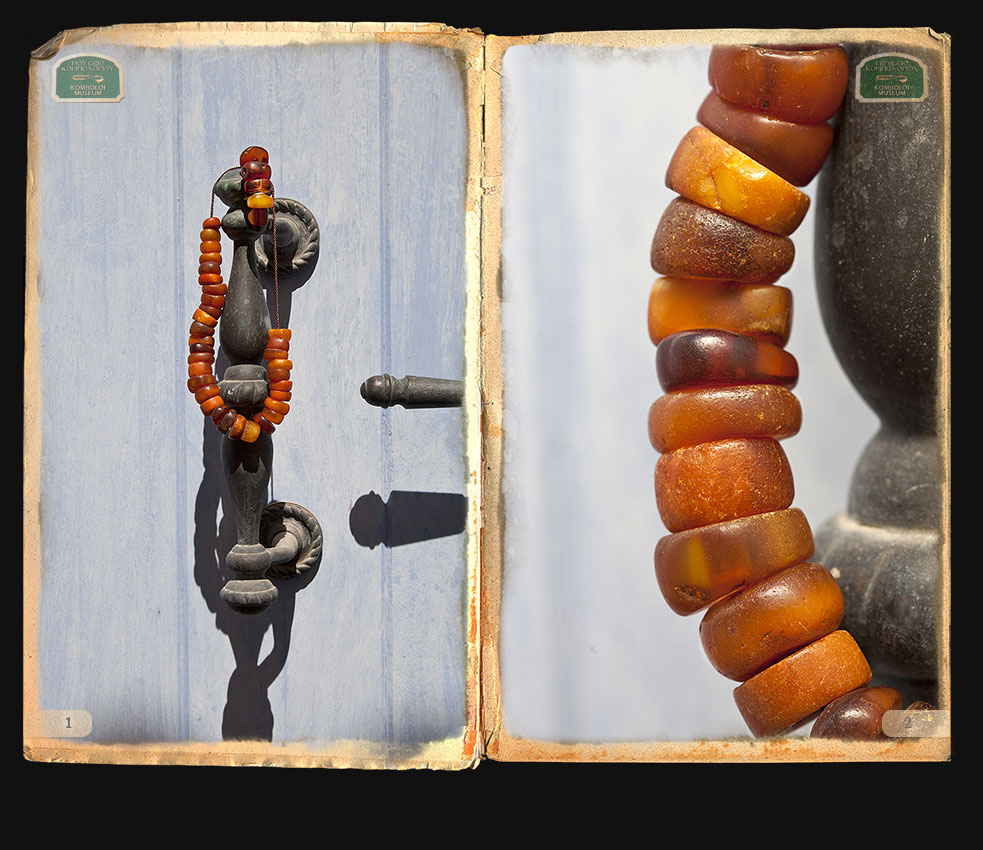
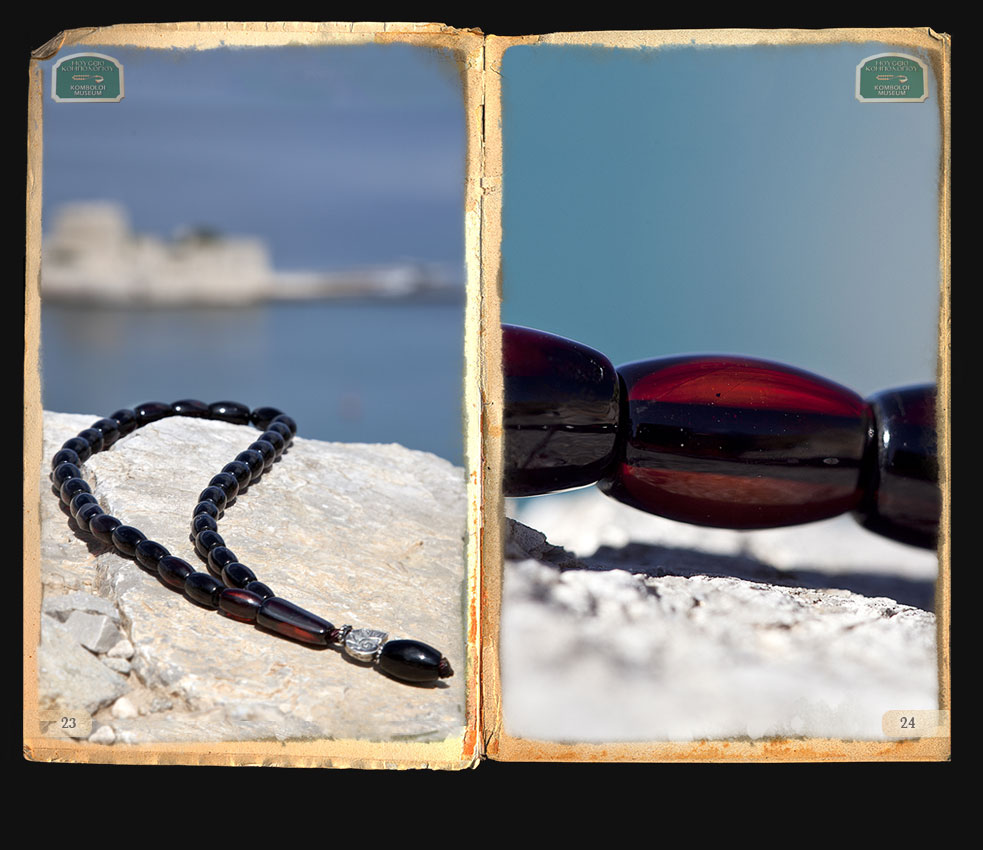
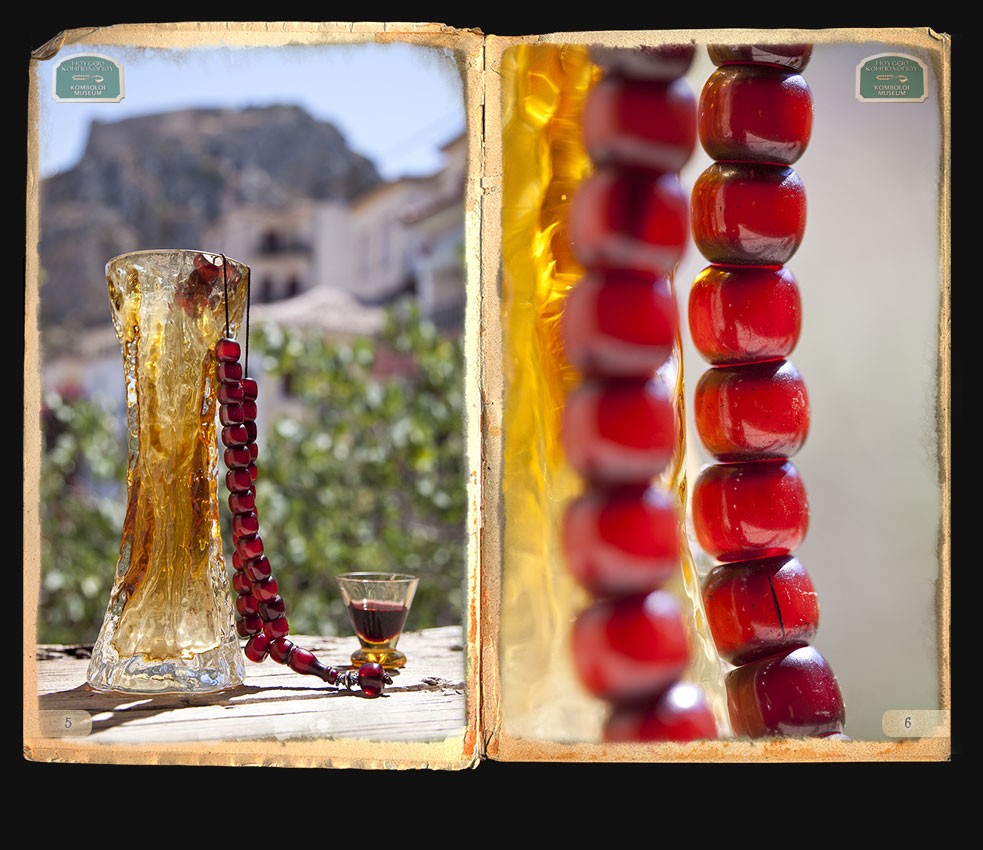
However, apart from a popular pastime, komboloi can also be a work of art. Worry beads made of pure amber, mastic-amber, red coral, ivory and bone are a marvel to look at and the visitors of the city of Nafplion, Peloponnese, can enjoy these masterpieces in their own special museum.
The Komboloi museum at the old city of Nafplio is housed in a privately-owned two-storey building, located at 25 Staikopoulou Street. The exhibition halls are situated on the upper floor and the museum workshop is on the ground floor.
The purpose of the workshop, the “heart” of the museum, is to conserve the old strings of beads and also produce exact replicas of them using hand-made beads manufactured in privately-owned workshops in the East. The conservation of old strings of beads which are family heirloom is free of charge. You can find all the strings of beads produced in the Museum workshop in the Selling shop of the Museum, which is also situated on the ground floor.
History of the museum
In April 1998, Mr and Mrs Evangelinos -a couple who have been collecting and studying the komboloi since 1958- establish the first -and still unique in the world- Komboloi Museum in Nafplion. The couple takes their first lessons on komboloi and learns its secrets in Alexandria, Egypt, where Mr Evangelinos’ grandfather lived.
They start their journey on the “roads of komboloi” in 1963, a journey still continuing till today. They collect knowledge along with rare old strings of beads from all over the world- from Hinduists, Buddhists, Muslims, Catholics and Greeks- from the countries where the Greek nation prospered (Asia Minor, Syria, Egypt etc ). Thus, they acquire a unique collection of almost a thousand (1000) strings of beads dated from 1700 to 1950, made of pure amber, mastic-amber, faturan-amber, black(yusuri) and red coral, ivory, bone, horn, ebony, and so on.
The Museum operates under the supervision of the Ministry of Culture.
Ask me anything
Explore related questions