Athens and Thessaloniki are listed in the 100 Resilient Cities (100RC) network, an initiative pioneered by the Rockefeller Foundation, dedicated to helping cities around the world become more resilient to the physical, social and economic challenges that are a growing part of the 21st century.
The project aims to help cities around the world become more resilient to the physical, social and economic challenges that are a growing part of the 21st century.
In its first 18 months of existence the foundation saw its first cohort of cities mature, appoint chief resilience officers and embark on their own resilience strategy processes. There were 331 applications from cities around the world submitted in seven languages in order to be included in the list of 35 cities mentioned in the last round.
To become part of the network, cities have to present a clear and compelling description of their major resilience challenges, how they are approaching and planning for resilience to decrease vulnerabilities, and how they plan to partner with us. After exhausting review of the applications, a panel of esteemed judges including African Develoment Bank President Donald Kaberuka, President and CEO of the Asia Society Josette Sheeran, and former President of Costa Rica José María Figueres, recommended the next set of 35 member cities.
It wasn’t easy to choose only 35 as there were so many passionate, vibrant entries, hundreds of compelling and inspiring conversations with incredible mayors in applicant cities, and hours of intense internal debate. Despite this two Greek cities met the challenge.
The Athens Challenge
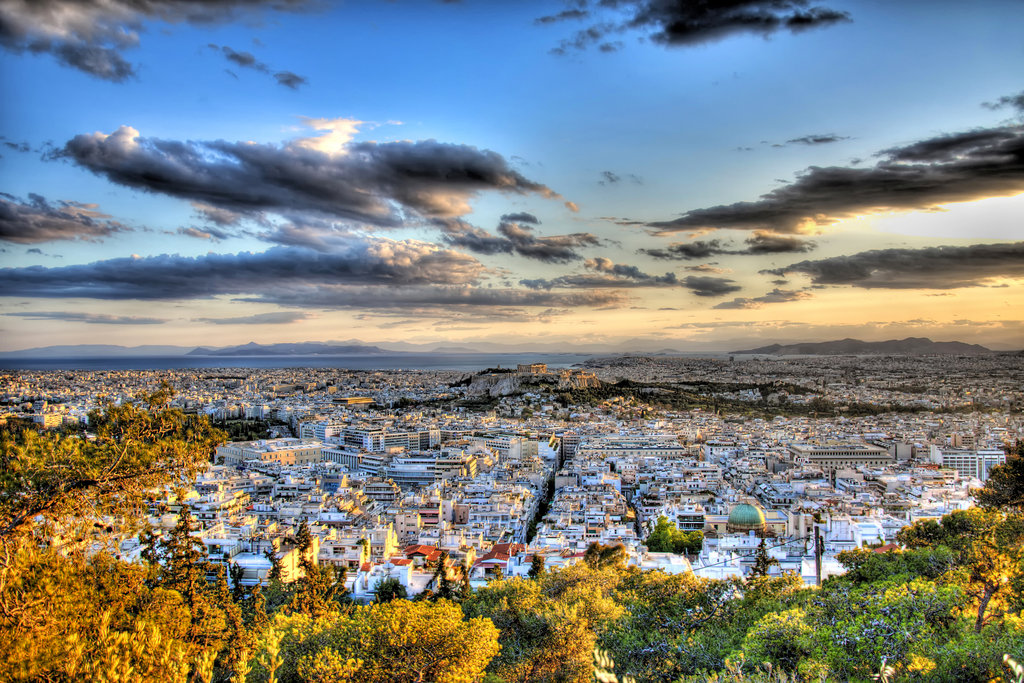
Athens is one of the oldest cities in the world, having been continuously inhabited for over 3,000 years. Many consider it the cradle of western civilization. More recently, economic challenges across Greece, including austerity measures that drove cuts to social services, have led to high unemployment in the city, averaging over 50% unemployment for young people. The city has made significant efforts to expand welfare services and provide critical relief to citizens—food, shelter, childcare and healthcare services—but this has strained city resources, especially those needed to shore up aging building stock and infrastructure. Over 30% of buildings in the city were constructed before the first building code for earthquake protection, a vulnerability in a country with the 6th highest seismic activity level in the world.
Athens also faces risks from ongoing environmental pressures. In recent years, heat waves have increased in intensity and frequency, straining healthcare, emergency response services, and the electrical grid. In response, the city will undertake a large urban regeneration plan, expected to start in 2015, that provides long-term risk management for climate shocks.
Resilience challenges: Earthquake, economic shifts, heat wave, high unemployment, riot and civil unrest
The Thessaloniki Challenge
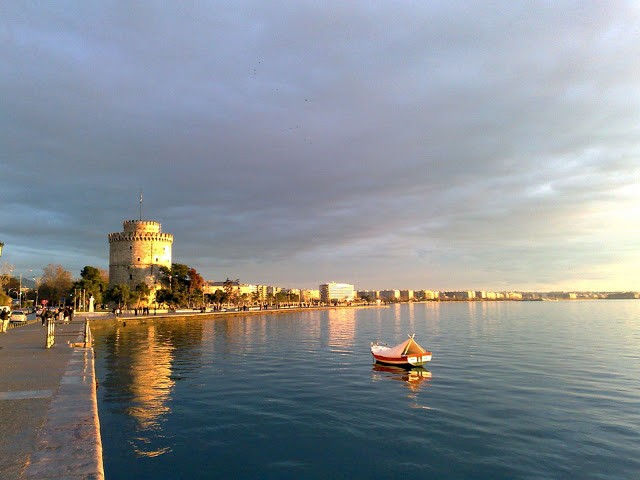
Thessaloniki has a rich history as a major hub of business and culture, from the Roman period to the Byzantine Empire. Today it is still an important metropolitan region for Greece, with an active port, a respected university, and a robust tourist industry. The city, however, has also been affected by the economic and political crises that have rocked Greece in recent years. Growing unemployment from a shrinking manufacturing sector and a lack of opportunities for young people have increased social needs, while resources to provide services have decreased.
Tensions have led to the rise of extremism, riots, and civil unrest, and broken down relations between residents and public authorities. With new projects to upgrade infrastructure, officials see an opportunity to build trust and engagement with community members by involving them in planning processes. They are also using this approach to build response plans to earthquakes and other natural disasters, as well as engage new youth networks in resilience planning.
Resilience challenges: Aging infrastructure, earthquake, economic shifts, high unemployment, riot and civil unrest
To find out more about these challenges, CLICK HERE
Ask me anything
Explore related questions