





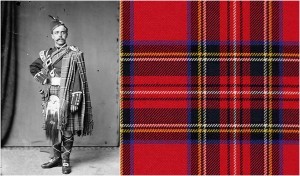
Tartan has been associated with Scotland for centuries, but if we go further back in history to the 8th century BC, the tartan can be traced in Hallstatt salt mines near Salzburg, Austria and later in Xinjiang, China.
It got first to the British Isles before it was finally discovered in Scotland during the 3rd century.
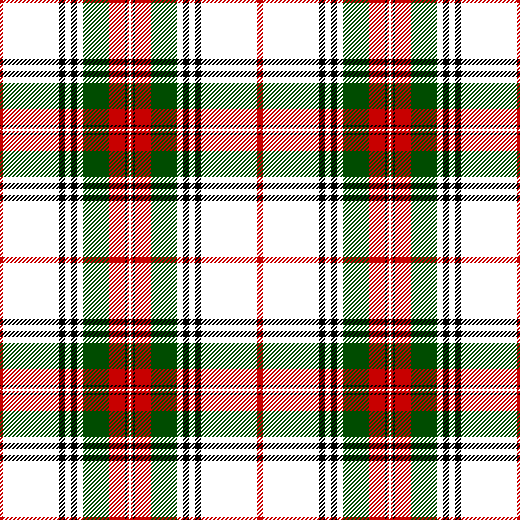
(“Ye principal clovris of ye clanne Stewart” which appeared in the Sobieski Stuarts’s forgery Vestiarium Scoticum of 1842)
E. J. W. Barber, a textile historian, argued that ancient Celtic populations produced tartan-like textiles and some of them, very well preserved, have been discovered in 2004 in the Hallstatt salt mines near Salzburg, Austria. When the textile from the Tarim mummies in Xinjiang was analyzed, it showed similarities with the one discovered in Salzburg.
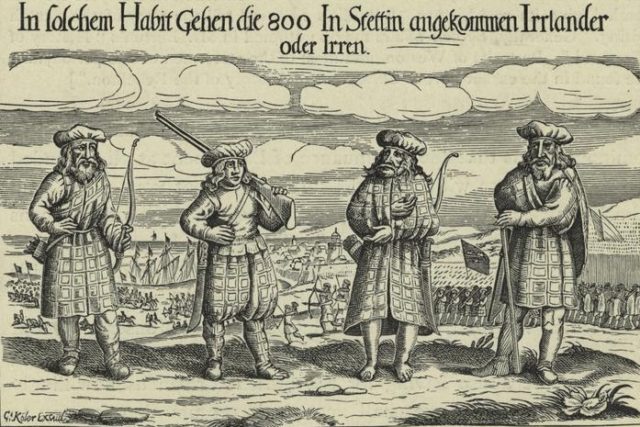
(The earliest image of Scottish soldiers wearing tartan, from a woodcut c.1631)
The earliest tartan discovered in Scotland which dates from the 3rd century AD is the “Falkirk” tartan found as Falkirk in Stirlingshire. It was just a fragment with a simple design of natural light and dark wool stuffed into a ceramic pot that contained almost 2,000 Roman coins.
But the tartan we associate with today’s Scotland can’t be traced earlier than the 16th century or after the 17th or 18th century when the tartan became a common fabric for the Scotts.
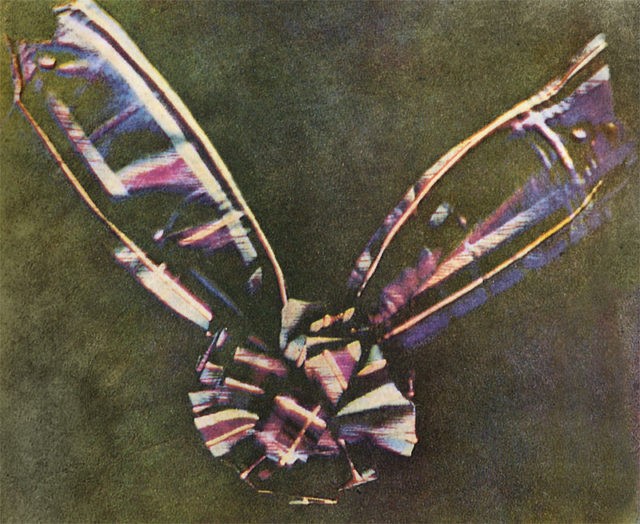
(The world’s first color photograph, made by the Scottish scientist James Clerk Maxwell in 1861, was a tartan ribbon)
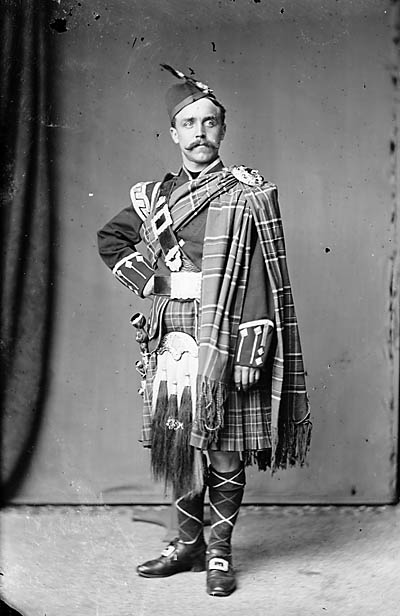
(A man wearing tartan)
At first, the tartan was common among the Highlanders while in the other parts of Scotland it evolved into a symbol of clan symbol. The tartan was used for making today’s established traditional Scottish dress that includes the “philabeg”, or kilt, and of course, the trews, worn with shoes of untanned hide and the “cuarans”, knee length boots.
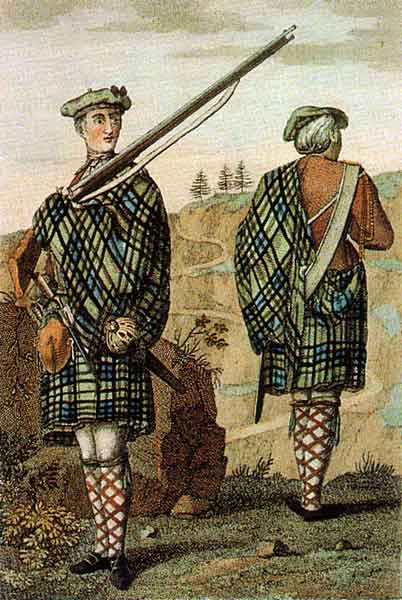
(Soldiers from a Highland Regiment circa 1744. The private -on the left- is wearing a belted plaid)
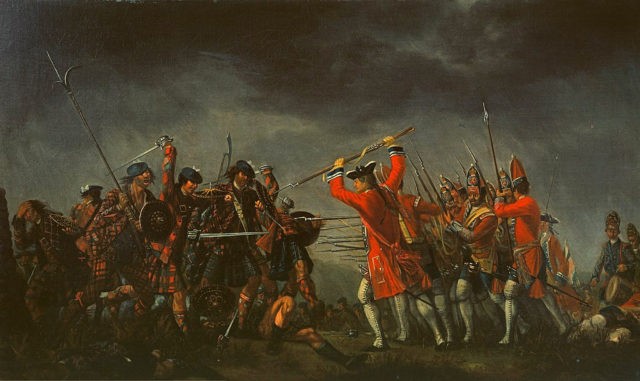
(David Morier’s An incident in the rebellion of 1745. The eight featured highlanders in the painting wear over twenty different tartans)
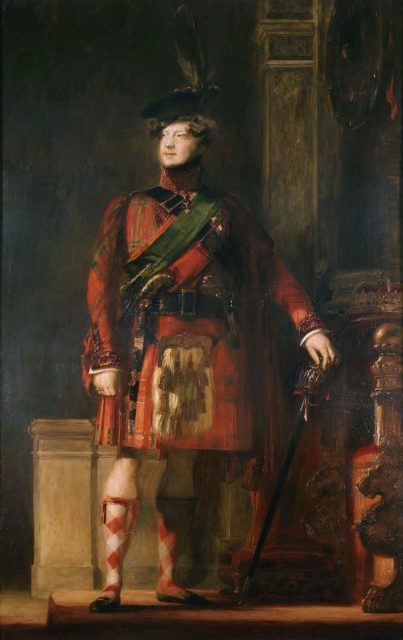
(Wilkie’s idealized depiction of George IV, in full Highland dress, during the visit to Scotland in 1822)
After the Battle of Culloden in 1746, the government in London passed an Act of Parliament that forbade the Highlanders to carry weapons and wear tartan. When the Act was repealed in 1785, the Highlanders weren’t very enthusiastic about wearing the tartan since they got used to wearing the same dress as the other Scots. And it wasn’t until 1822 when George IV, during a visit of Edinburgh suggested that people attending the official functions should wear their respective tartans.
The early tartans had only two or three colors extracted from local trees, berries, roots and plants growing in certain local areas. So, certain colors became symbols of and associated with clans. The clan tartans became widespread during the 19th century.
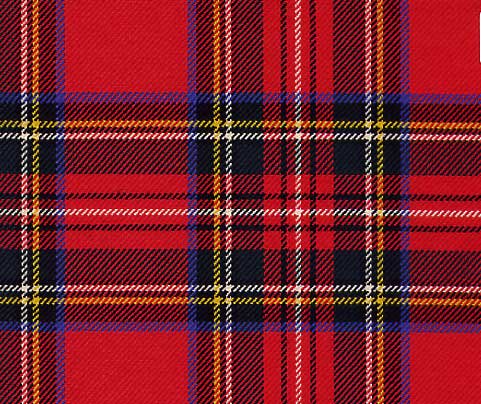
(Royal Stewart tartan)
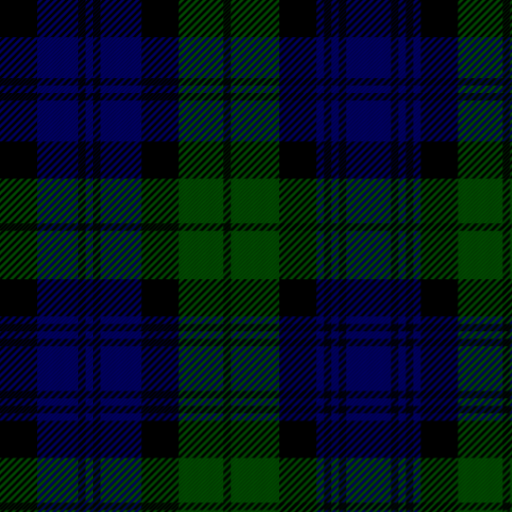
(Black Watch tartan)
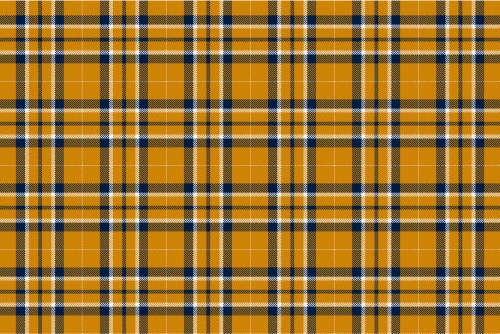
(The West Virginia University official tartan consists of old gold and blue and is listed in the Scottish Register of Tartans in Scotland)
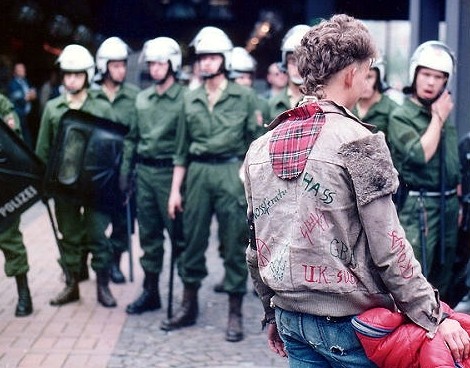
(A German punk wearing a piece of the Royal Stewart tartan, 1984)
There are several types of tartan among which the most popular today are the “Royal Stewart tartan” which is the personal tartan of Queen Elizabeth II and the “Black Watch tartan” also known as “Old Campbell”, “Grant Hunting”, “Universal”, “Government” which is still used by several military units throughout the Commonwealth.
Ask me anything
Explore related questions




