

×
GreekEnglish

×
  • Politics
  • Diaspora
  • World
  • Lifestyle
  • Travel
  • Culture
  • Sports
  • Cooking
Tuesday
12
May 2026
weather symbol
Athens 26°C
  • Home
  • Politics
  • Economy
  • World
  • Diaspora
  • Lifestyle
  • Travel
  • Culture
  • Sports
  • Mediterranean Cooking
  • Weather
Contact follow Protothema:
Powered by Cloudevo
> World

Ancient, unknown strain of Plague found in 5.000-year-old tomb in Sweden

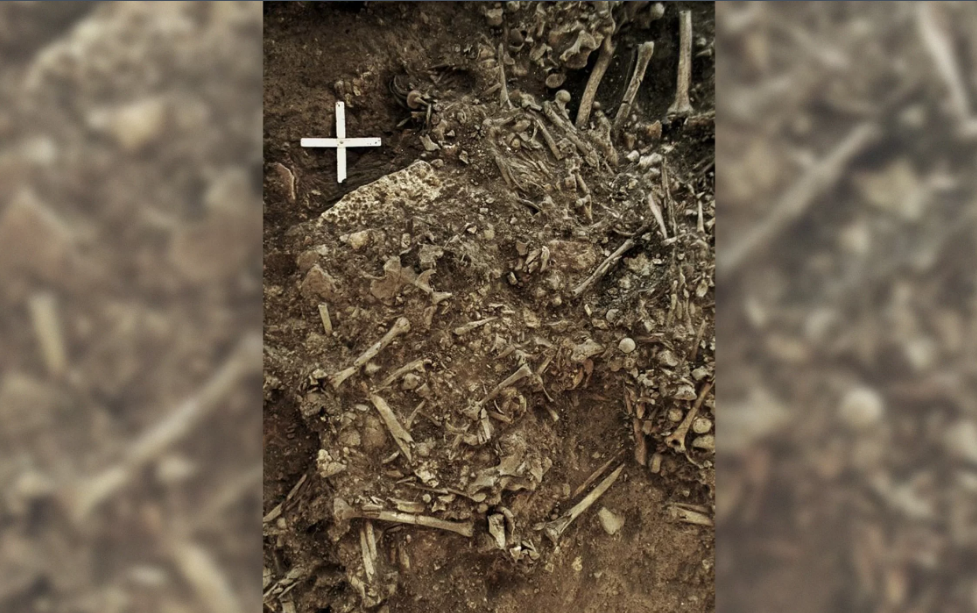
The researchers discovered the previously unknown strain of plague in the remains of a woman at the Frälsegården site

Newsroom December 6 07:35

Δείτε περισσότερα άρθρα μας στα αποτελέσματα αναζήτησης

Add Protothema.gr on Google

In a nearly 5,000-year-old tomb in Sweden, researchers have discovered the oldest-known strain of the notorious bacterium Yersinia pestis — the microbe responsible for humanity’s perhaps most-feared contagion: the plague.

The finding suggests that the germ may have devastated settlements across Europe at the end of the Stone Age in what may have been the first major pandemic of human history. It could also rewrite some of what we know of ancient European history.

The finding came about as the researchers were analyzing publicly available databases of ancient DNA for cases in which infections might have claimed prehistoric victims. They focused on the previously excavated site of Frälsegården in Sweden. Previous analysis of a limestone tomb at the site found that an estimated 78 people were buried there, and they all had died within a 200-year period. The fact that many people died in a relatively short time in one place suggested they might have perished together in an epidemic, lead study author Nicolás Rascovan, a biologist at Aix-Marseille University in Marseille, France, told Live Science. The limestone tomb was dated to the Neolithic, or New Stone Age, the period when farming began.

The researchers discovered the previously unknown strain of plague in the remains of a woman at the Frälsegården site. Carbon dating suggested she died about 4,900 years ago during a period known as the Neolithic Decline, when Neolithic cultures throughout Europe mysteriously dwindled.

>Related articles

The “blue whale” of Chinese artificial intelligence, the microchip battle, and Beijing’s message ahead of the Trump–Xi meeting

Turkey and Qatar say the Strait of Hormuz must not be used as a weapon

NASA launches new mission to discover the origin of the mysterious energy ring around Earth

Based on her hip bones and other skeletal features, they estimated the woman was about 20 years old when she died. The plague strain found with her had a genetic mutation that can trigger pneumonic plague — the deadliest form of historic and modern plague — suggesting the woman likely died of the disease. (The most common form of plague is bubonic plague, which occurs when plague bacteria spread to the lymph nodes and cause inflammation, according to the World Health Organization. The inflamed lymph nodes are called “buboes.” If the bacteria spread to the lungs, they can trigger the deadlier pneumonic plague.)

By comparing the newfound strain with known plague DNA, the scientists determined that the ancient sample was the closest known relative of the plague bacterium’s most recent ancestor. The study researchers theorized that the ancient sample diverged from other plague strains about 5,700 years ago.

Read more HERE

Ask me anything

Explore related questions

#civilization#culture#mystery#neolithic#plague#sweden#tomb#world
> More World

Follow en.protothema.gr on Google News and be the first to know all the news

See all the latest News from Greece and the World, the moment they happen, at en.protothema.gr

> Latest Stories

Green light from the quadrilateral meeting in Cyprus for an official funding request to the EIB for the GSI

May 12, 2026

US Department of War: What are the… UFOs over the Aegean seen by American pilots in 2023 and 2024

May 12, 2026

The “blue whale” of Chinese artificial intelligence, the microchip battle, and Beijing’s message ahead of the Trump–Xi meeting

May 12, 2026

Survivor: Stavros Floros out of danger after serious injury, transfer to a specialized center in the US under consideration

May 12, 2026

CrediaBank: Morgan Stanley initiates coverage of the stock – The bet on rapid growth

May 12, 2026

Nikos Papaioannou on the incidents at Aristotle University of Thessaloniki: “No tolerance for violence — where there is responsibility, accountability will follow”

May 12, 2026

When will the results for admission to Experimental, Model, Ecclesiastical and Public Onassis Schools be announced?

May 12, 2026

One of the 17-year-olds had left a note before falling with her friend from the rooftop of the apartment building in Ilioupoli: How the tragedy happened

May 12, 2026
All News

> Greece

In reverence, the emotional deposition in Jerusalem, see photos & video

The Holy Temple of the Resurrection opened after many days due to the war between Israel and Iran

April 10, 2026

In the final stretch for the accreditation of joint master’s degrees: Aiming for their launch in the coming academic year

April 10, 2026

Schedule for Epitaph Procession today (10/4)

April 10, 2026

Perfect weather for Easter excursions, according to Tsatrafyllia’s forecast

April 10, 2026

Easter in Greece: The customs that continue in Greek tradition – From Nafpaktos to Corfu

April 10, 2026
Homepage
PERSONAL DATA PROTECTION POLICY COOKIES POLICY TERM OF USE
Powered by Cloudevo
Copyright © 2026 Πρώτο Θέμα



