

×
GreekEnglish

×
  • Politics
  • Diaspora
  • World
  • Lifestyle
  • Travel
  • Culture
  • Sports
  • Cooking
Sunday
06
Sep 2026
weather symbol
Athens 31°C
  • Home
  • Politics
  • Economy
  • World
  • Diaspora
  • Lifestyle
  • Travel
  • Culture
  • Sports
  • Mediterranean Cooking
  • Weather
Contact follow Protothema:
Powered by Cloudevo
> Culture

8 billion people: How different the world would look if Neanderthals had prevailed

For 99% of the last million years of our existence, people rarely came across other humans

Newsroom November 17 10:16

Δείτε περισσότερα άρθρα μας στα αποτελέσματα αναζήτησης

Add Protothema.gr on Google

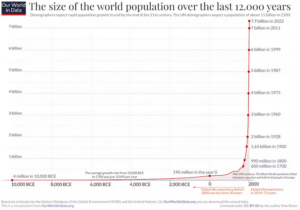
In evolutionary terms, the human population has rocketed in seconds. The news that it has now reached 8 billion seems inexplicable when you think about our history.

For 99% of the last million years of our existence, people rarely came across other humans. There were only around 10,000 Neanderthals living at any one time. Today, there are around 800,000 people in the same space that was occupied by one Neanderthal. What’s more, since humans live in social groups, the next nearest Neanderthal group was probably well over 100km away. Finding a mate outside your own family was a challenge.

Neanderthals were more inclined to stay in their family groups and were warier of new people. If they had outcompeted our own species (Homo sapiens), the density of population would likely be far lower. It’s hard to imagine them building cities, for example, given that they were genetically disposed to being less friendly to those beyond their immediate family.
See Also:

>Related articles

Oil: Brent hits $96 again — Vance says shipments through Hormuz have been restored

Denmark deploys conscripts to Greenland for the first time in response to Trump pressure

Vertical Corridor: New energy gateway from Alexandroupoli to the Western Balkans

A journey to the centre of the earth – Anemotrypa cave in Tzoumerka

The reasons for our dramatic population growth may lie in the early days of Homo sapiens more than 100,000 years ago. Genetic and anatomical differences between us and extinct species such as Neanderthals made us more similar to domesticated animal species. Large herds of cows, for example, can better tolerate the stress of living in a small space together than their wild ancestors who lived in small groups, spaced apart. These genetic differences changed our attitudes to people outside our own group. We became more tolerant.

Read more: The Conversation

Ask me anything

Explore related questions

#anthropology#demographics#Neanderthal#population#science#world
> More Culture

Follow en.protothema.gr on Google News and be the first to know all the news

See all the latest News from Greece and the World, the moment they happen, at en.protothema.gr

> Latest Stories

Expert theories behind the Phantom crash in Tanagra, how the investigations are progressing; Grief within the Air Force

September 6, 2026

Prime Minister unveils €2.2 billion tax relief package for businesses at Thessaloniki fair

September 6, 2026

Woman found alive 11 days after deadly Nepal floods

September 6, 2026

TV presenter sentenced to death in Egypt over major drugs case

September 6, 2026

Fisherman killed after yacht collides with boat near Corinth’s Isthmia

September 6, 2026

Mitsotakis unveils pension, wage and tax package at Thessaloniki International Fair

September 5, 2026

Two pilots killed as Phantom fighter jet crashes in Tanagra air show

September 5, 2026

Relationship with Brigitte Macron’s daughter is serious, not a summer romance, says Antoine Lecomte

September 5, 2026
All News

> Greece

In reverence, the emotional deposition in Jerusalem, see photos & video

The Holy Temple of the Resurrection opened after many days due to the war between Israel and Iran

April 10, 2026

In the final stretch for the accreditation of joint master’s degrees: Aiming for their launch in the coming academic year

April 10, 2026

Schedule for Epitaph Procession today (10/4)

April 10, 2026

Perfect weather for Easter excursions, according to Tsatrafyllia’s forecast

April 10, 2026

Easter in Greece: The customs that continue in Greek tradition – From Nafpaktos to Corfu

April 10, 2026
Homepage
PERSONAL DATA PROTECTION POLICY COOKIES POLICY TERM OF USE
Powered by Cloudevo
Copyright © 2026 Πρώτο Θέμα



