New developments are unfolding in Greece’s waste management landscape, as landfills are on track to become relics of the past. Waste is now being diverted exclusively toward recycling or biomass production, which can then be converted into energy. On the one hand, strict timelines and penalties imposed by the EU, and on the other, a government bill currently in Parliament, have ignited significant transformations in the industry, with plans for new waste management facilities. This opens up a lucrative market valued at €5 billion, attracting businesses of all sizes eager to tap into this “hidden treasure” in waste.
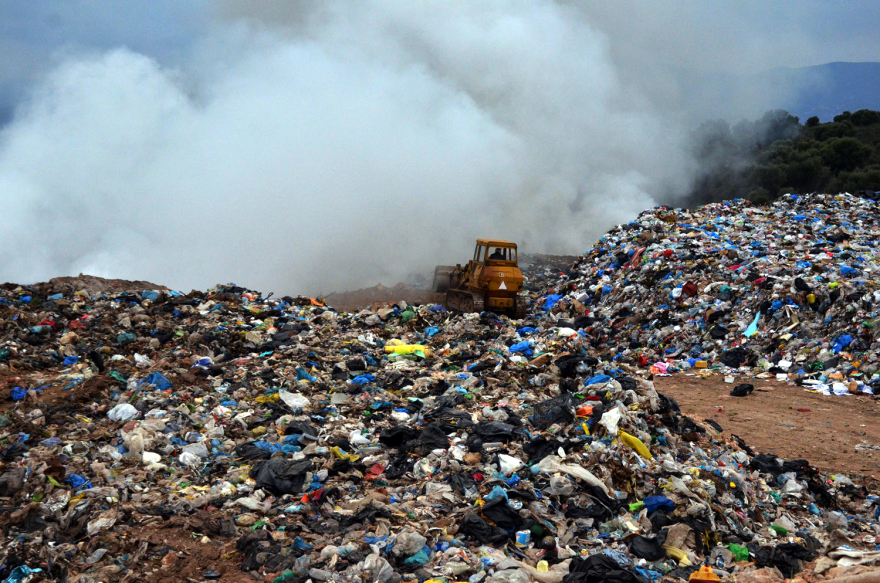
Although it appears that sweeping changes stem from the bill introduced by the Ministry of Environment and Energy, it’s the European Union itself driving these shifts. The EU has revised the funding conditions for waste processing projects, and because Greece has been consistently fined for poor waste management, many waste management projects have stalled.
Now, the European Commission is demanding Greece meet specific and stringent targets for recycling and safe landfill disposal, and it has introduced the “polluter pays” principle. If these changes aren’t met, Greece will continue to face heavy penalties for landfill overuse, with municipalities incurring substantial fees for waste production.
EU Targets and Funding Opportunities
If Greece meets the EU targets, it will gain access to funding that could cover up to 85% of the costs for establishing recovery and recycling units through the EU’s 2021-2027 structural funds. Currently, Greek municipalities spend over €2 billion on waste collection, transport, and landfill disposal. This amount could be reduced through recycling, while failure to improve waste processing could see landfill costs rise from €30 per ton to over €250 per ton due to new landfill taxes.
The government also aims to eliminate fines for illegal landfills. Since 2005, Greece has paid over €60 million in fines for 1,125 illegal dumps. These numbers have been reduced from 65 to 20 in recent years, and the Ministry of Environment aims to eliminate fines by 2026.
Falling Behind in Recycling Goals
According to the European Commission’s 2023 early warning report, Greece is far from meeting the 2030 target of a 10% landfill rate. Greece still disposes of 77.7% of its waste without processing, far above the EU average, and recycles only 21% of its waste, well below the EU’s 2025 target of 55%.
Recent data from WWF Greece reveals further challenges: the country produces around 31 million tons of waste annually, including 12.5 million tons of agricultural waste, 7.5 million tons of industrial waste, 5 million tons from construction and demolition, and 6 million tons of municipal waste.
The Greek government believes that the new waste and energy utilization facilities will help meet the 2030 landfill target. These facilities will be privately funded, operating either as public-private partnerships (PPPs) or independently. They are expected to significantly reduce landfill rates in regions with operational waste processing plants.
Waste Management Reform in Greece’s Parliament
The new bill includes the consolidation of Solid Waste Management Organizations (SWMO) to strengthen their role, with municipal involvement based on population size. Additionally, small municipalities (island and mountain communities with populations under 10,000) will receive services and equipment for separate collection of recyclables and organic waste.
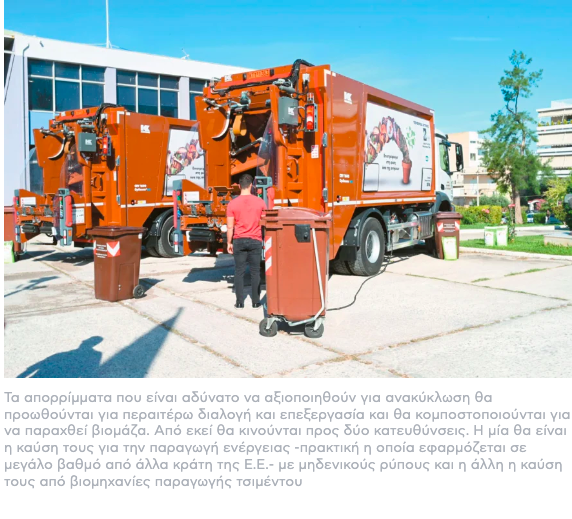
Unrecoverable waste will be sorted, processed, and composted to produce biomass, which will then be directed toward two uses: energy generation with zero emissions, similar to practices in other EU countries, or as fuel for cement production.
Strict Penalties and Monitoring
The legislation also mandates waste traceability and imposes severe penalties for organizations that fail to report waste metrics or register data in the Electronic Waste Registry (EWR). The Minister of Environment and Energy, Theodoros Skylakakis, will have the authority to intervene in cases of non-compliance, particularly when the EU identifies landfill issues, giving the Ministry immediate power to act.
From January 2025, SWMO operators will conduct sampling and analysis of incoming loads by local authorities to determine the quantity of recyclable materials and residual waste.
Opening the Door for Private Involvement
In small municipalities, the Ministry of Environment may delegate recycling operations to private entities, covering the costs. If necessary, recyclable materials can now be transported by sea, a provision that previously excluded certain types of waste such as printed paper and textiles.
Generating Electricity from Waste
The government’s plan includes generating electricity from waste to complement Greece’s renewable energy sources. This approach opens doors for major investments in waste-to-energy facilities, with the government estimating that five to six new waste management units could process 1.2 to 1.6 million tons of waste fuel annually, some of which will be used for cement production and some burned in energy plants. Competitive bidding for these projects is expected to begin by 2025.
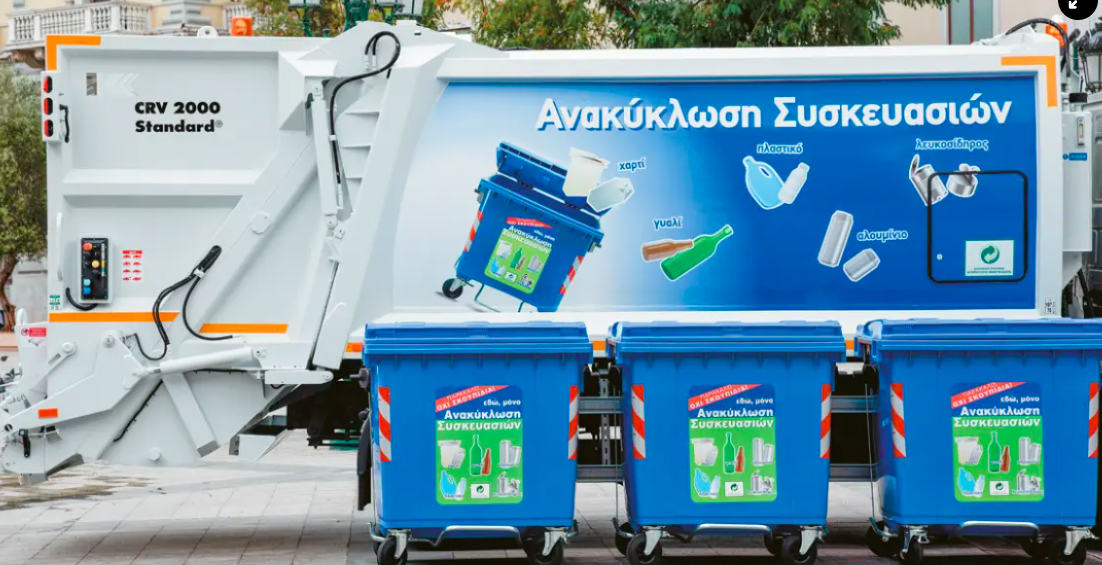
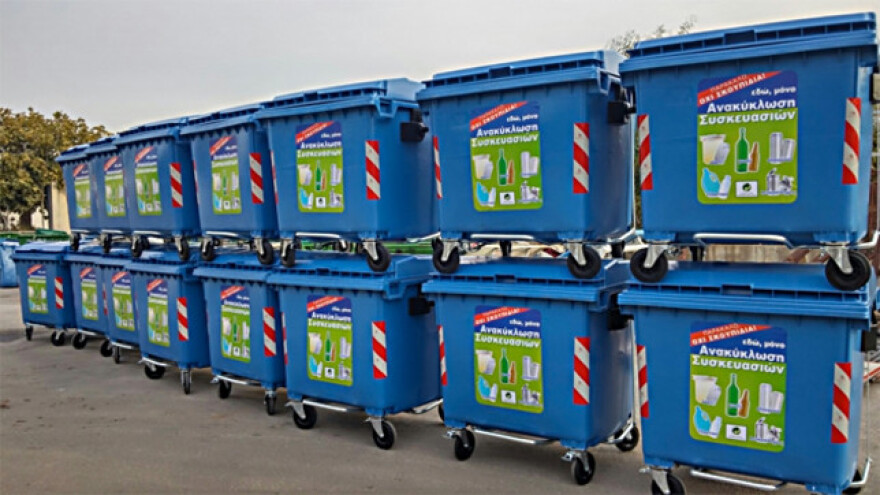
This shift is also likely to boost recycling efforts, which have been inadequate despite the long-standing presence of blue recycling bins in Greece. A recent WWF report found that while blue bins exist, up to 45% of their contents are non-recyclable, with about 10 large municipalities in Attica failing to recycle at all.
Greece’s Recycling Economy: A €5 Billion Market Opportunity
These anticipated improvements have generated substantial interest from the private sector, which is positioning itself to capitalize on the €5 billion market in waste processing. Recent mergers and acquisitions reflect the sector’s growth potential, with notable deals including Motor Oil’s acquisition of Thalis and Helector, two companies with experience in international waste management and recycling.
Ask me anything
Explore related questions