





One of the fastest, most flavorful, and “complete” dishes of Italian gastronomy is the simple but strong-character aglio, olio e peperoncino. To prepare this famous recipe, spaghetti is usually chosen, which enthusiasts cook just long enough to serve al dente, with a perfect “bite.” What are the secrets? Extra virgin olive oil, the technique of sautéing garlic, and, of course, the chili peppers, which must not be overcooked because their flavor will change. What would happen if one of these three key ingredients was missing? The dish’s balance would be disrupted, and we wouldn’t have an authentic spaghetti aglio, olio e peperoncino. And if that missing ingredient were the chili? Its warmth would be absent. But could chili peppers lose their spiciness or become milder? According to experts, yes – and the culprit is none other than climate change.
As specialists point out, rising global temperatures are having significant effects on crops like coffee, cocoa, and chili peppers, whose taste is being altered, becoming milder than usual.
The iconic chili-based sauce sriracha, known for its characteristic spiciness and subtle sweetness, has also fallen victim to the environmental crisis, despite its journey from Thailand to global fame.
About two years ago, Huy Fong Foods Inc., the company behind the famous sauce, announced a production halt due to weather conditions that affected chili quality. The company cited a severe chili shortage, making it impossible to produce any of its products.
Similar challenges are faced by Nanyang Sauce in Singapore, which has reduced its sauce production due to climate changes that negatively impact the growth of spicy plants.
Ken Koh, the third-generation owner of the company, expressed his concern for the future of this “spice of life,” urging consumers to enjoy their chili while it lasts.
It’s worth noting that, according to the United Nations Food and Agriculture Organization, the hot sauce market is valued at $9 billion annually, and global sales are projected to reach $15 billion by 2031.
The chili’s spicy flavor is attributed to a group of alkaloids, such as capsaicin, which generate heat and intensify the pepper’s fiery nature in higher temperatures.
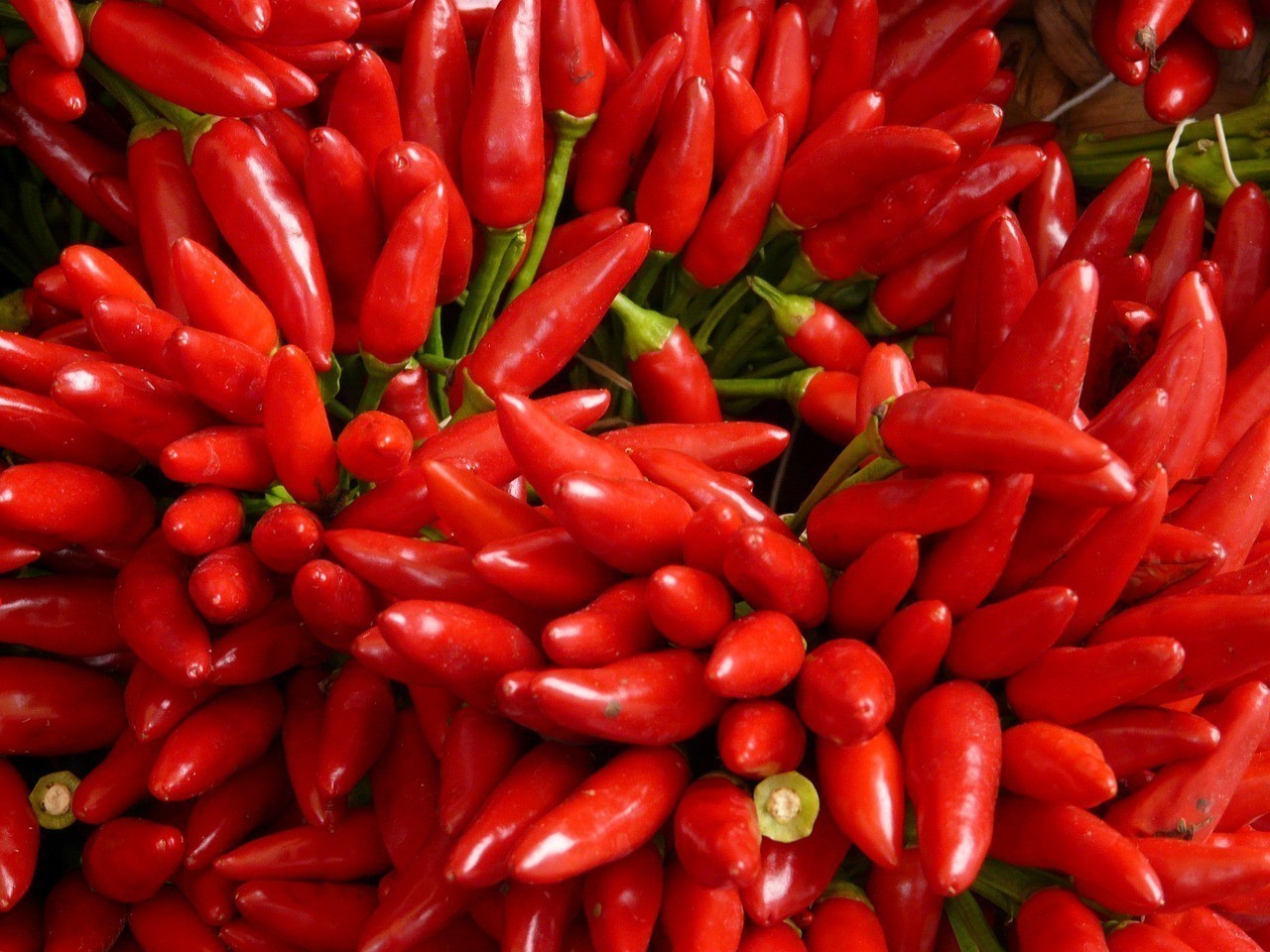
However, ideal conditions are no longer observed, as heavy rains are increasingly frequent, causing floods.
On the other hand, extreme heat and drought can also affect plant growth, preventing the fruit from ripening.
In an effort to address these challenges, scientists are creating new varieties resistant to climate change and diseases. However, as chefs emphasize, the taste will not be the same.
“It sounds terrible, but once these peppers disappear, it won’t be possible to reproduce their original flavor,” agronomist Jorge Berni, who works with farmers in Yucatán, Mexico, to cultivate chili varieties, told Bloomberg. “You can replace them with something else, but it’s not the same,” he added.
For Tamara Chavez, a Mexican chef working in Singapore, chili is more than just an ingredient: it’s a way of life. She noticed the change when she ate six chili peppers and, instead of feeling heat on her lips and warmth in her body, she felt nothing at all.
Ask me anything
Explore related questions




