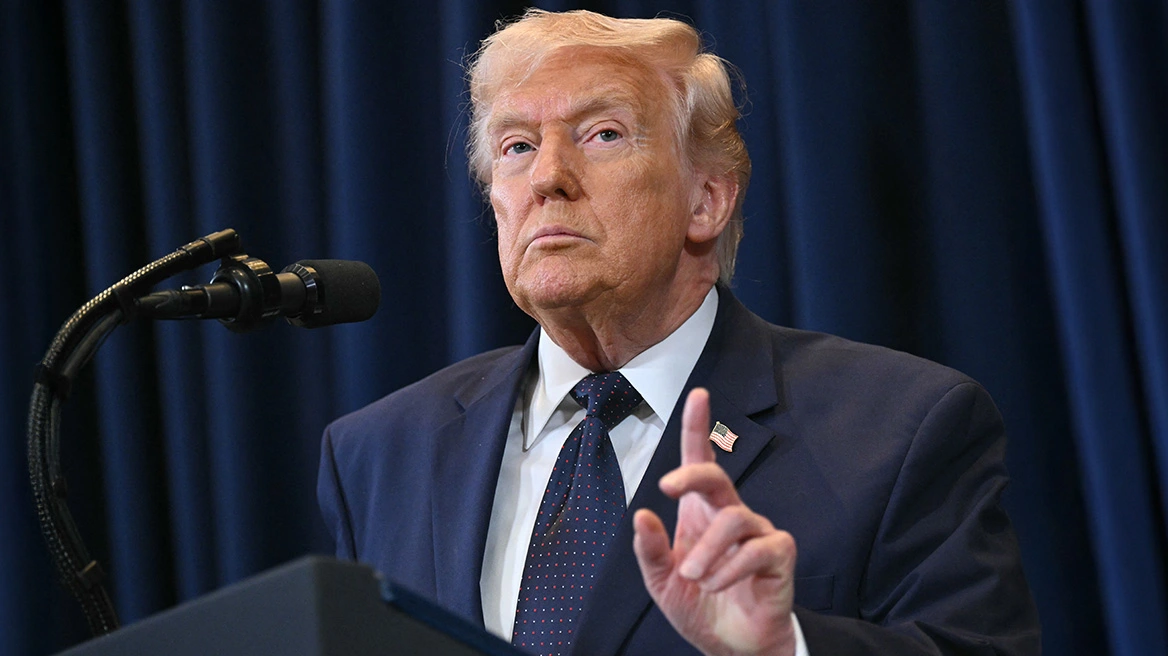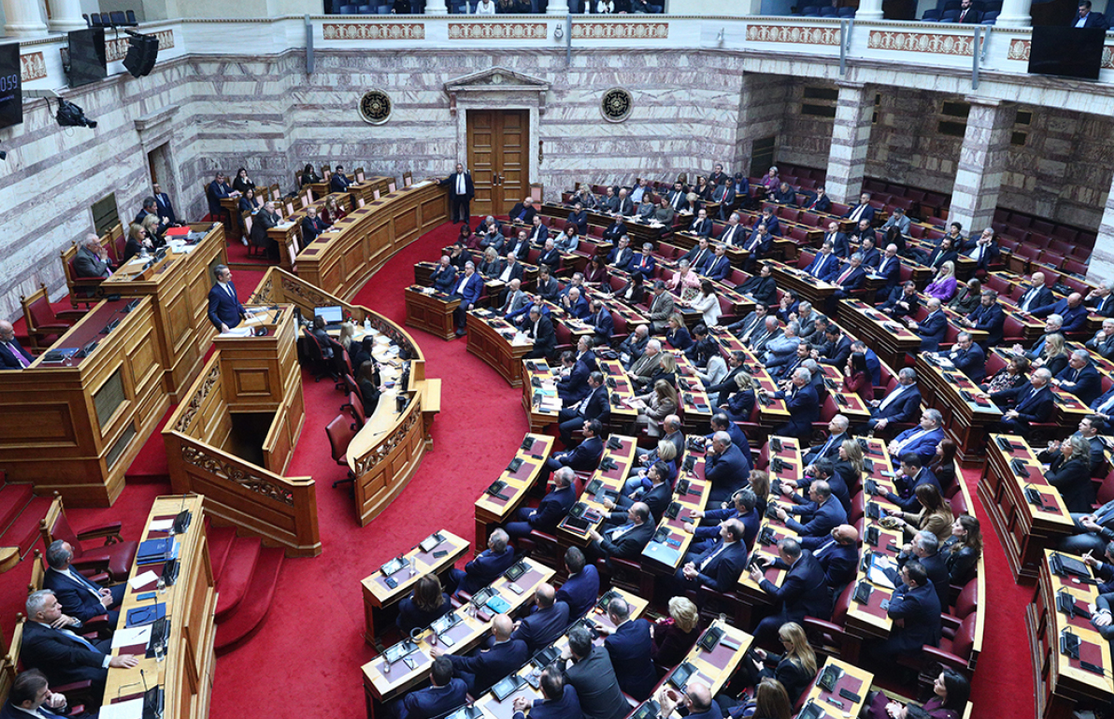
The second day of debate on the motion of no confidence submitted yesterday by PASOK, SYRIZA, New Left and Pleusi Eleftherias is underway in the Parliament and will conclude on Friday evening with a roll call vote.
Gerapetritis: You accuse us of a cover-up and you invoke the findings that we caused
The priorities of the State in the first moments of the tragic Tempi accident were described by Mr. Giorgos Gerapetritis, noting that “the primary concern was to free the survivors”.
“Tempi was treated as a place of accident and the first concern of the State was the rescue of any survivors. That is why any interventions were made”, said the Minister of Foreign Affairs and then responsible for transport, intervening in the discussion of the motion of no confidence being held in the Plenary Session of the Parliament.
The minister rejected the opposition’s allegations of a cover-up, stating “All these actions with multiple findings and constant parliamentary control do not point to a cover-up. You cannot talk about a cover-up and invoke findings that we provoked. In a well-organized state, trust in institutions is an existential necessity. Let us agree on three things. The demand for justice and transparency is not anyone’s property. In a well-organized parliamentary system, the trust of the government arises from the Parliament. Otherwise, there is no state. In a state of law, people are not condemned before being tried. Otherwise, this is the Middle Ages.”
Responding to a question from Nikos Pappas of SYRIZA about a publication that refers to an email from Christos Triantopoulos to him, Mr. Gerapetritis stressed that there is no reference to coordination or orders in the field but only to the financing of state aid.
Referring to foreign policy, he said that the Cyprus issue is at the top of the UN Secretary-General’s agenda and that on March 17-18 there will be a five-party meeting to restart talks on the Cyprus issue.
He admitted that the discussions will be difficult as they were taking place in an extremely fluid environment with Europe facing major challenges. “From an economic Europe of the 60s, we went to a political Europe of the 80s and now we must go to a geopolitical Europe with a common defense as a vehicle. The transatlantic relationship that has developed over decades is particularly crucial to remain active and ensure peace and prosperity,” he said.
Ask me anything
Explore related questions