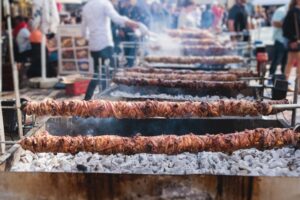
Easter celebrations are closely tied to traditions like dyeing eggs, baking sweet breads (tsourekia), and roasting lamb.
In its official statement, EFET (Hellenic Food Authority) reminds consumers that amid the festive preparations and excitement, it is essential not to overlook food safety. This ensures both the minimization of foodborne illnesses and the reduction of food waste.
Planning purchases, making informed food choices, and handling and storing ingredients properly allow us to enjoy safe meals and also save money.
Consumer Guidelines:
- Purchase food only from official and therefore regulated vendors.
- Always check packaging labels on pre-packaged foods. Labels include useful information such as best-before dates, proper storage conditions, and nutritional values.
- Pay attention to the cleanliness of equipment and the space of the shop where you buy your food.
- When buying meat, ensure it is kept in functioning refrigerators or chilled display cases. For frozen meat, check the freezing and best-before dates (e.g., “USE BY”, “BEST BEFORE”).
- Separate raw foods that require cooking (e.g., meat, meat preparations) from ready-to-eat foods (e.g., salads) in different bags to avoid cross-contamination. Buy chilled or frozen products last, so they can be stored in your home refrigerator as soon as possible.
- Store food properly in cupboards, refrigerators, or freezers to maintain optimal condition until use.
- Temperature matters! Refrigerate perishable foods (e.g., meat, milk, cheese) immediately after purchase and ensure your refrigerator is functioning correctly. Keep cooked food hot (above 60°C) before serving and never leave it at room temperature for more than 2 hours.
- Prepare meat following proper food hygiene practices to avoid cross-contamination between raw and cooked items, and ensure surfaces are clean.
- If you’re hosting a gathering, always ask guests about potential food allergies to avoid dangerous reactions or advise them accordingly. If someone experiences discomfort or an allergic reaction after eating, seek medical attention immediately. Allergens listed in Annex II of Regulation 1169/2011 must be clearly stated on packaged foods.
Buying Lamb and Goat Meat
If purchasing a whole or half carcass, make sure it bears an oval stamp, indicating it has undergone veterinary inspection.
There are three mandatory stamp categories:
- Greek or EU origin and slaughtered in Greece: Bright blue (turquoise) oval stamp with slaughterhouse approval code and GR with EU symbol.
- Slaughtered in another EU country: Stamp color varies by country, includes slaughterhouse code, country abbreviation, and EU mark.
- Slaughtered outside the EU: Brown oval stamp with country of origin. Carcasses born, raised, and slaughtered in Greece also bear a rectangular stamp reading “ΕΛΛΑΣ” (GREECE) in turquoise.
Offal and Meat
- Ensure offal is stored under refrigeration in covered, chilled areas.
- For frozen offal, check the freezing date and best-before date (e.g., “USE BY”, “BEST BEFORE”).
Eggs
Dyeing and tapping eggs is a beloved Easter tradition, and eggs are used in many desserts and dishes. Proper handling prevents salmonella contamination.
- Check required labeling on egg packaging, including quality class, weight, and best-before date.
- Do not wash eggs before storing.
- Store fresh eggs in a cool place or in the refrigerator.
- Keep boiled eggs refrigerated within 2 hours of cooking and consume within one week. Keep them separate from raw eggs.
- Only use approved dyes for egg coloring and follow package instructions carefully. Only dye eggs that haven’t cracked during boiling.
Ask me anything
Explore related questions