





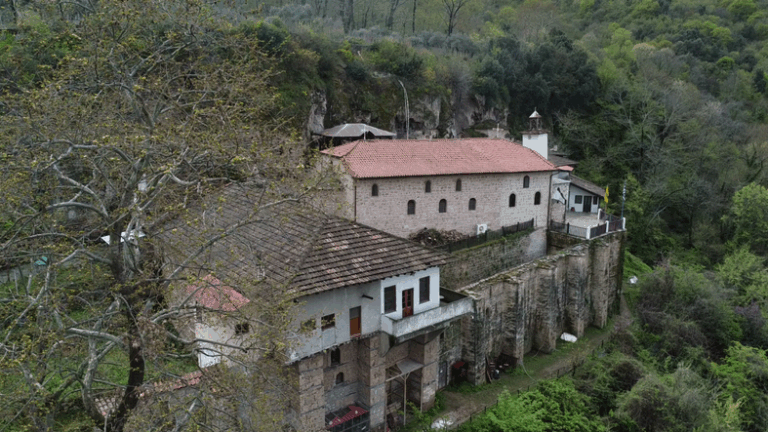
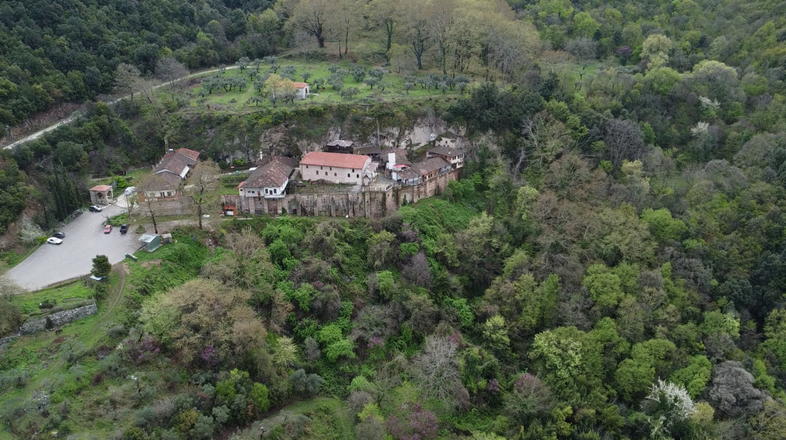
The pilgrimage of protothema.gr to the Monasteries of Greece continues today, on Good Friday, with one of the most historic monastic centers in the Macedonian region: the Holy Monastery of Saint John the Forerunner in the Skete of Veria.
As mentioned in the Acts of the Apostles, the region of Imathia received the Gospel preaching from the Apostle Paul himself. The monastery was founded in the 9th century and flourished greatly until the 14th century. Over the years, many notable figures have lived as monks here: Saint Clement, who later became Archbishop of Ohrid; Saint Anthony, the patron saint of Veria; Saint Gregory Palamas; Saint Dionysios of Olympus; and Saint Athanasios. In the 18th century, Saint Kosmas of Aetolia lived in the monastery while preaching in the villages of the Pierian Mountains.
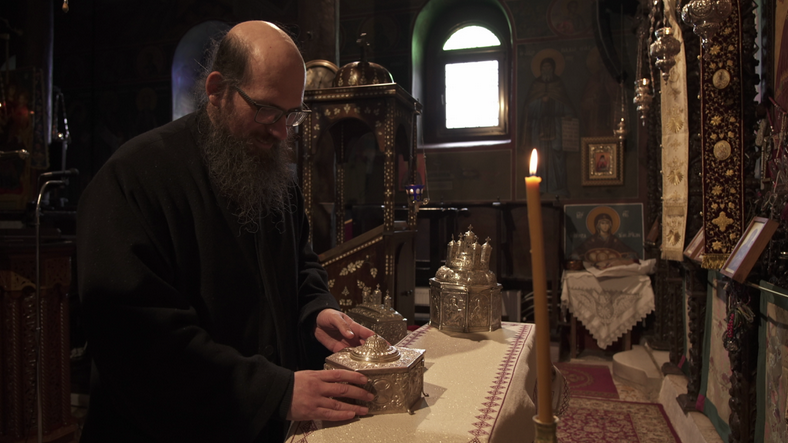
During the revolution in Naousa, the apostate Emin Agha, seeking revenge, burned down all the monasteries in the area. The fathers of the monastery had managed to hide the relics and other treasures. When they returned, they found everything in ashes—but by 1835, they had managed to rebuild the monastery.

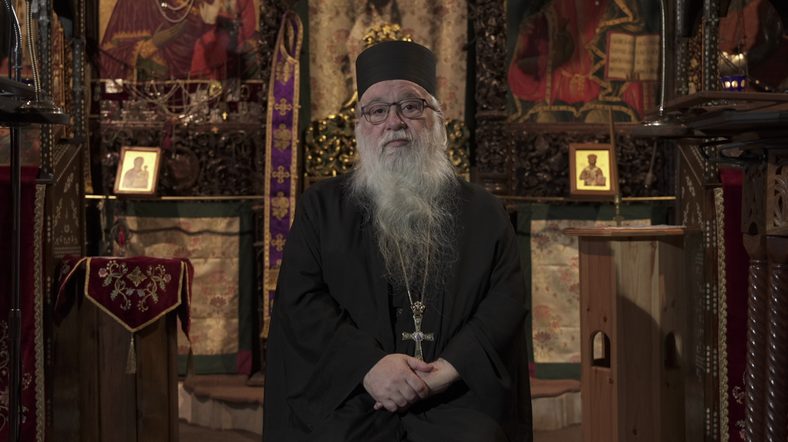
According to the Abbot of the Holy Monastery of Saint John the Forerunner in the Skete of Veria, Archimandrite Porphyrios, “In 1909, the Ecclesiastical School of Veria was founded, producing educated individuals such as teachers, clerks, and priests whose work continued until the 1990s. In 2007, the Monastery acquired its internal rule, and today, we continue to live in the monastery as a brotherhood of 12 monks.”
The Lamentation of the Epitaph
Holy Week offers a powerful opportunity for spiritual awakening—a chance to make a fresh spiritual start, free from passions, sins, and everything that torments us spiritually. As the Fathers preach, “The Church is not what we see, but what we do not see.”
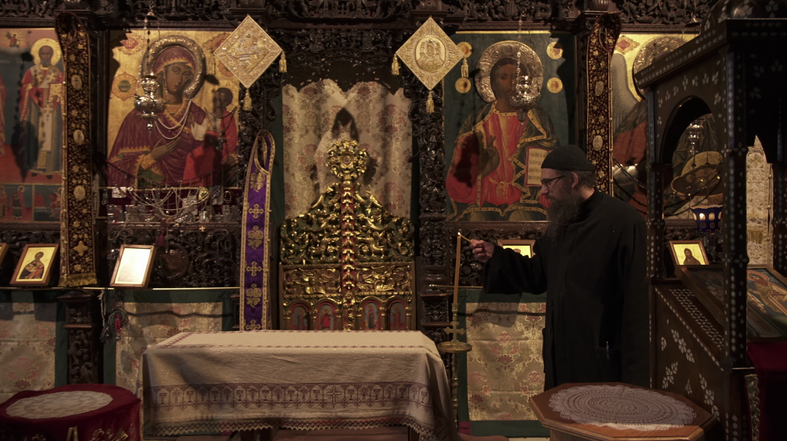
Today, Good Friday, is the most solemn and moving day, with Jesus Christ being crucified for the salvation of the world. The hymns and services of the Lamentation of the Epitaphios — “Life in the grave…,” “All generations mourn…,” “It is truly right…” — are considered among the pinnacles of Orthodox hymnography. They convey the Church’s message throughout Lent: that Christ bore the Cross on His shoulders for us, making the crosses we bear lighter and delivering us from sin and death.
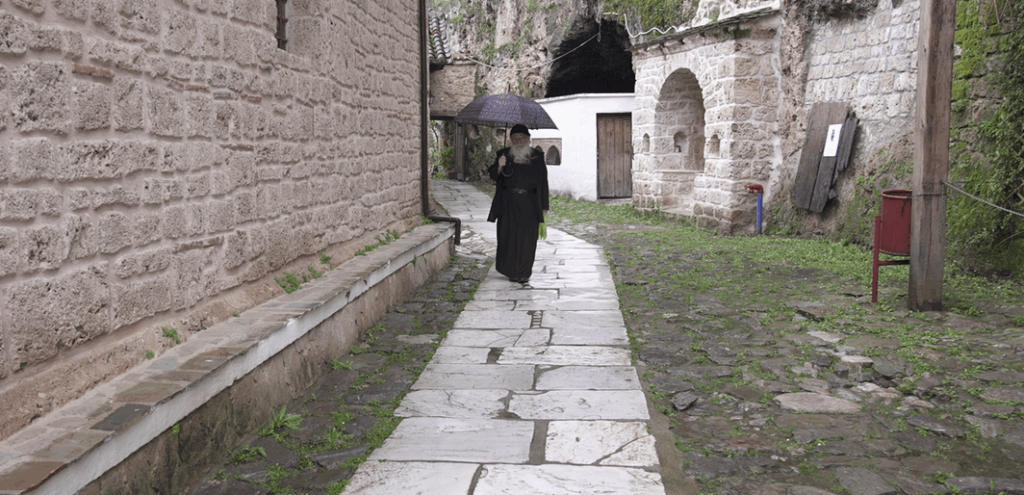
Just one day before the Resurrection, the Abbot of the Holy Monastery of Saint John the Forerunner in the Skete of Veria, Archimandrite Porphyrios, notes in Proto Thema:
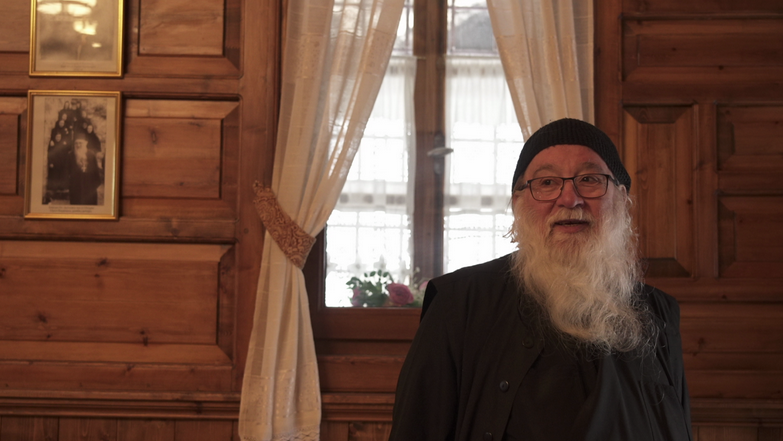
“The Church carries meanings so powerful that they can resurrect you, ignite you, set you ablaze—if you truly enter into the essence of its texts. Yet, the average Christian is content with the folk dances and the roasted lamb… Instead of helping the people understand the deeper meanings, we clergy often resort to certain—shall I call them customs?—certain performances, supposedly with the aim of attracting the crowds.”
Ask me anything
Explore related questions




