The Proto Thema religious documentary series concludes today with a journey through the customs and traditions of our country for Easter Sunday.
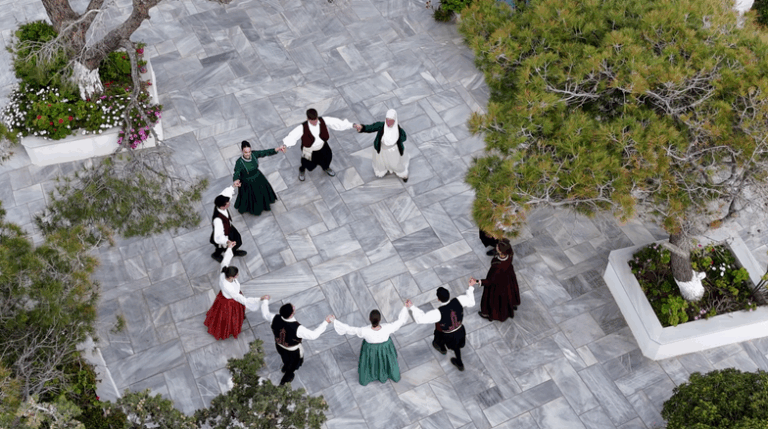
We begin in Kea, the island where violins never stop playing throughout the year. Naturally, the Easter celebration lasts all day. The Cultural Association of Kato Meria “Karthaia” and the Association of Keans Everywhere dance in the courtyard of Panagia Kastriani and invite us to a genuine island-style feast.
“Easter is one of the greatest celebrations of Orthodoxy, holding great significance for Greeks in every region of the country. Essentially, it is connected to rituals that mark the transition from one state to another. At the peak of this transition comes the celebration, naturally accompanied by dance,” says philologist and traditional dance instructor Apostolis Lempas in his interview with Proto Thema.
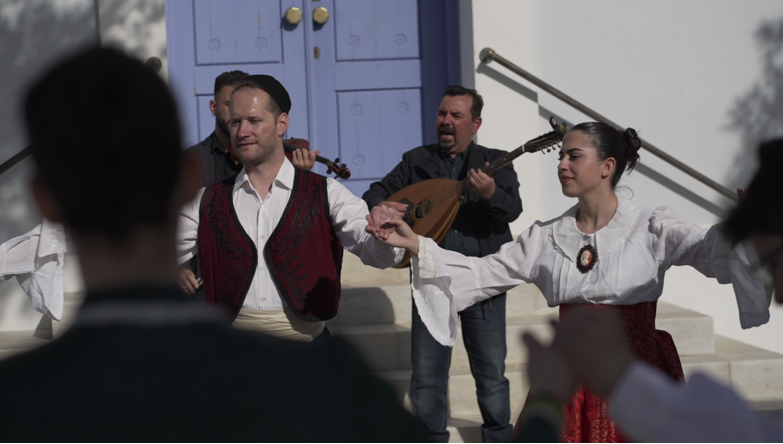
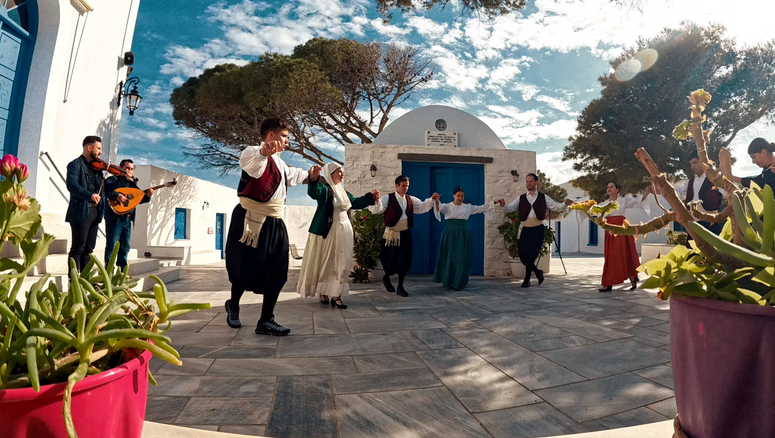
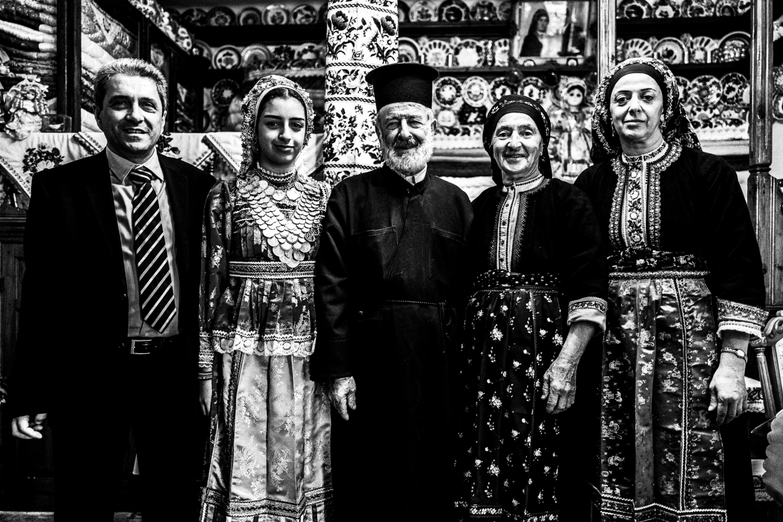
In Olympos of Karpathos, after the Second Resurrection service, local women dressed in traditional costumes lead the dance in what resembles more a ritual than a celebration, following the Byzantine tradition. Photographer Giorgos Tatakis introduces us to the Karpathian festivity.

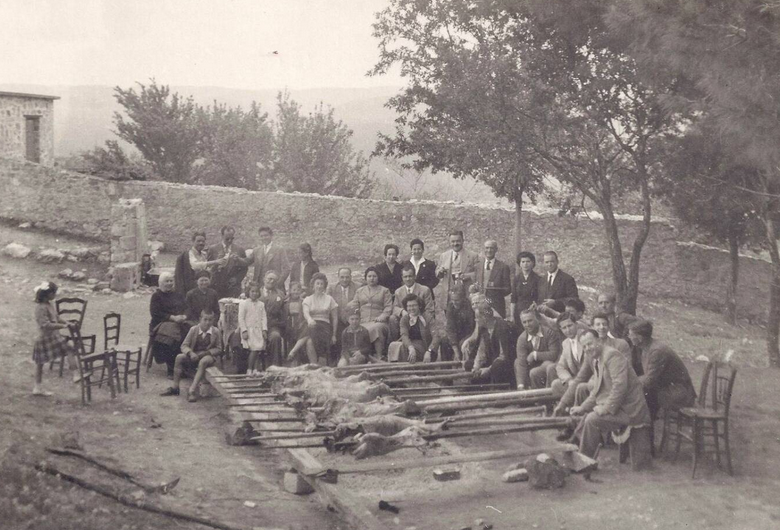
Moving to mainland Greece, there’s a region that stands out for its lamb roasting custom: Amfikleia in Fthiotida. As soon as the sun rises, the area is covered by a cloud of smoke from the “pits” prepared by the locals. This tradition dates back to the era of the klephts (rebels of the Greek War of Independence), where no family roasts the lamb on their own, but instead, everyone does it together. “They share the light of the Resurrection, the message of the Resurrection, and celebrate around the great fire,” notes the President of the Municipal Community of Amfikleia, Dimitris Angelis.
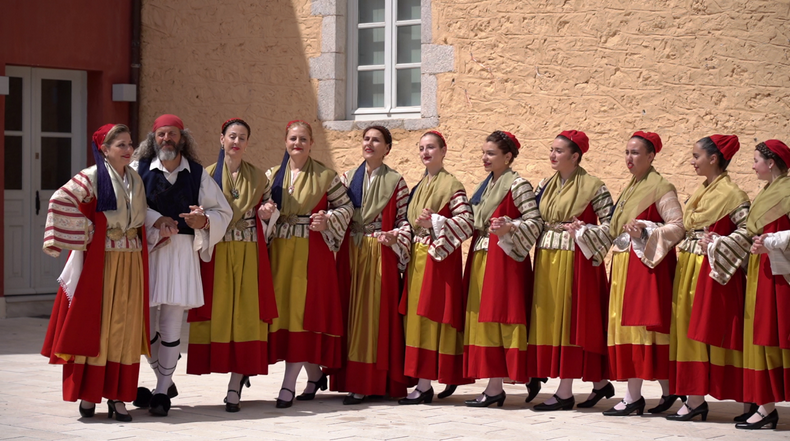
This afternoon in Leonidio, the Vespers of Love is a special moment, with the Gospel being read in the Tsakonian language. The service is followed by traditional dancing in the town square.
Ask me anything
Explore related questions