





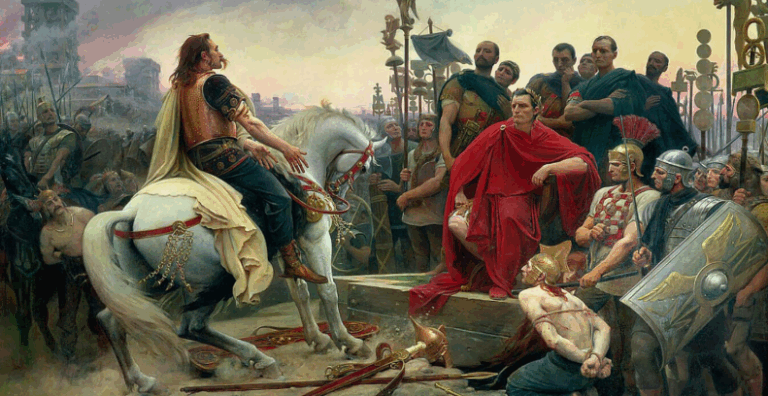
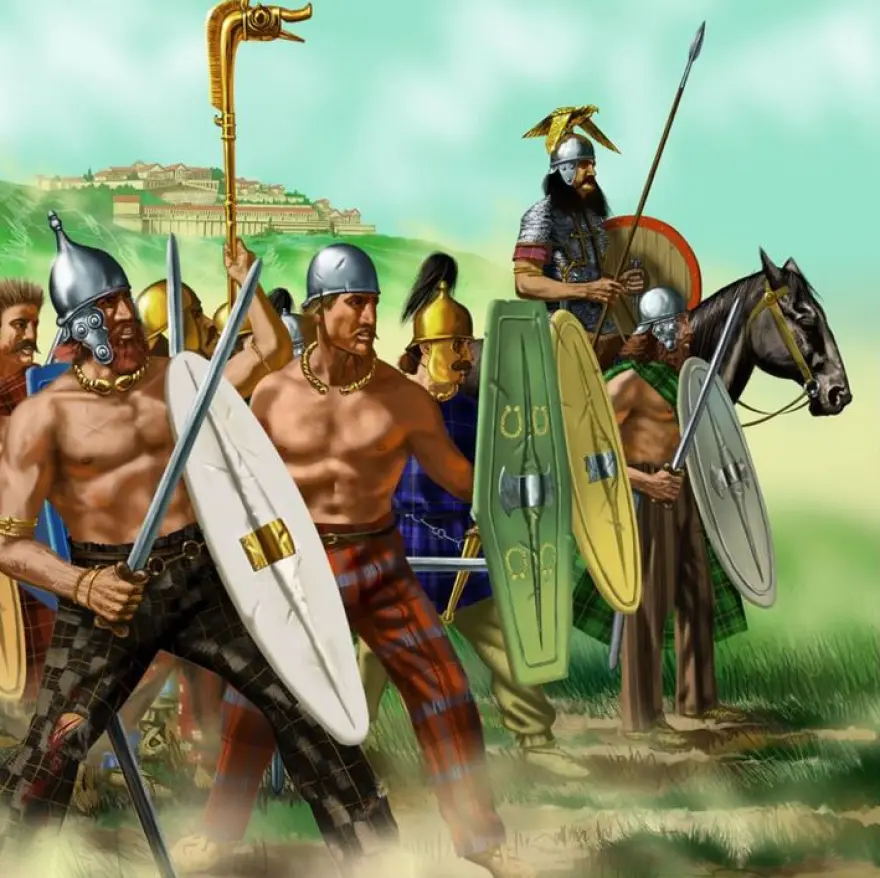
In 279 BC, the Gauls, led by Brennus, launched a major invasion into Greece, aiming to settle in the region. After fierce fighting in Phthiotis and at Delphi, they advanced into central Greece. According to Pausanias, the Gauls, having been defeated by the Greeks, attempted to return home. Brennus proposed a new campaign to attack Greece again, motivated by the wealth stored in Greek treasuries and sacred offerings. He gathered a massive force, including Greeks from various regions, such as Aetolia, Boeotia, Phocis, and Athens, totaling around 27,000 soldiers, with additional support from allies like Antiochus of Syria and Antigonus Gonatas.
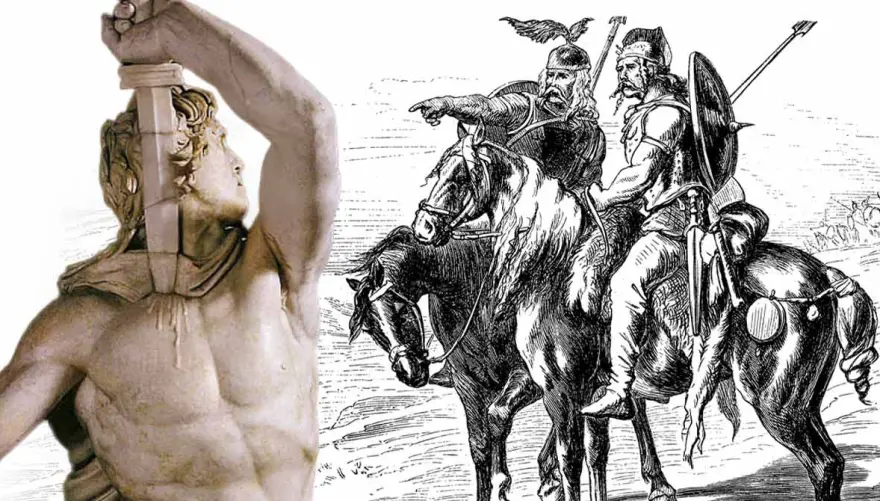
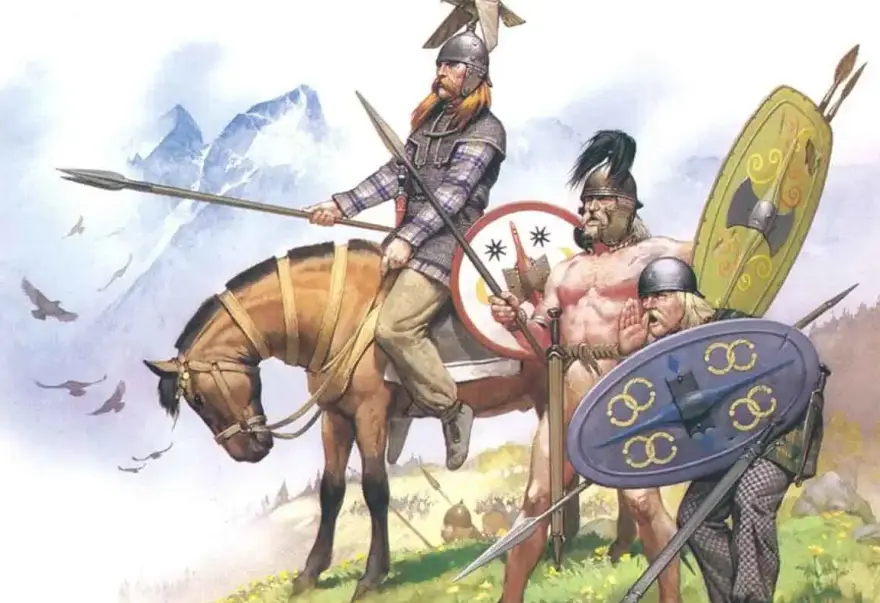
As the Gauls retreated, they passed through Kokkalia, located on the border between Aetolia and Evrytania. There, Greek forces from Aetolia and Eurytania, enraged by the atrocities committed in Callicio (where the Gauls slaughtered men, women, and children), launched a surprise attack. The defenders, including local men and women, fiercely engaged the Gauls, who only had their shields for protection. Despite their ferocity, the Gauls suffered a crushing defeat, with heavy casualties—estimates suggest around 6,000 killed in battle, with many more dying from panic and starvation afterward.
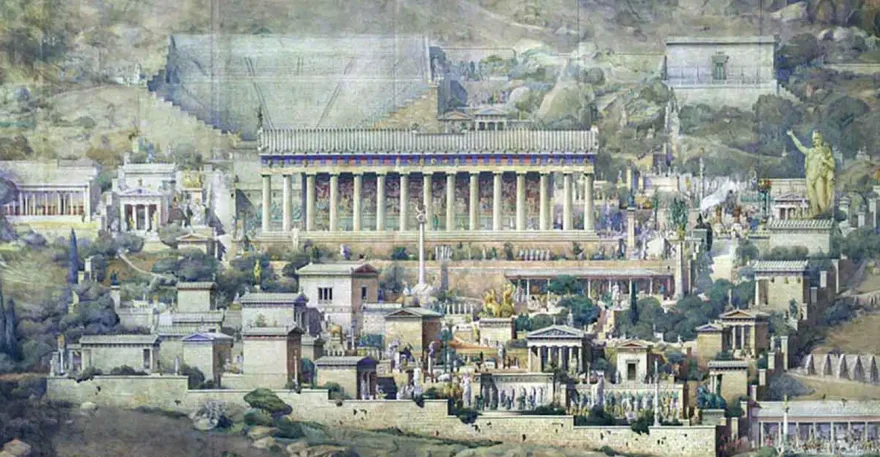
This victory was instrumental in preventing the Gauls from establishing a foothold in Greece. The survivors, under leaders like Kometorius, retreated to Thrace, where they eventually settled and founded the region called Galatia in Asia Minor. The battle at Kokkalia is regarded as one of the most significant in Greek history, symbolizing Greek resilience against barbarian invasions. Today, a monument at the site commemorates those who fought and fell in 279 BC.
Sources for this event include Pausanias’ “Hellados Periegesis,” Pararhigopoulos’ “History of the Greek Nation,” and archaeological findings such as human bones and remnants of ancient fortifications. The battle exemplifies the fierce Greek resistance and the importance of unity in defending their homeland.
Ask me anything
Explore related questions




