





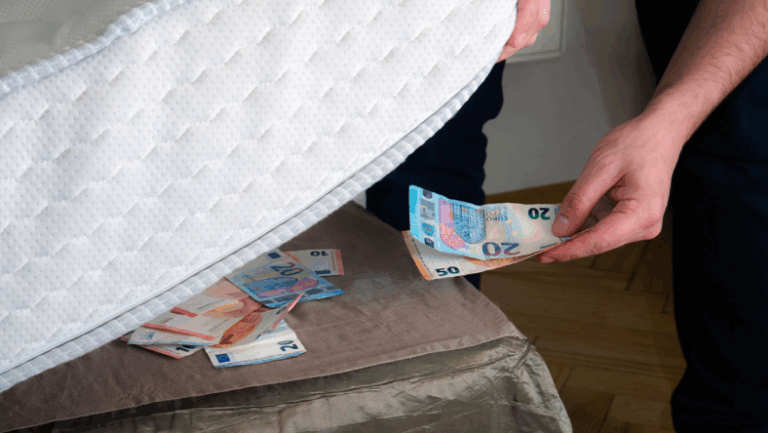
With a warning reminiscent of past times, the Central Bank of the Netherlands urges households to keep sufficient cash at home to cover their basic needs for at least three days in case of emergency.
This recommendation is not random. In an era dominated by digital transactions and significantly reduced use of cash, the Bank points out that a serious cyberattack or technical collapse of payment systems could leave citizens unable to purchase even the absolutely necessary items.
The Bank recommends that each household keeps… under the mattress, €70 per adult and €30 per child in physical cash, so the family can cover necessities such as water, food, medicine, and transportation for three days. This amount is considered the minimum needed to cover basic expenses in emergency conditions.
Cyberattacks and geopolitical uncertainty
The warning comes amid increased concerns about cybersecurity, as geopolitical tensions raise the likelihood of targeted attacks on critical infrastructure, including banking and electronic payment systems.
The Bank referred, among other things, to the recent blackout in Spain and Portugal last April, which caused serious but fortunately short disruptions to electronic payments.
Recommendations for merchants as well
The Central Bank of the Netherlands did not only address citizens. Recommendations were also made to merchants, who are called upon to ensure alternative payment methods, such as QR code scanners, so they can serve customers even if cash registers go offline.
This is not the first time a European institution has stressed the need for preparedness. In March, the European Commission published a plan advising citizens to stockpile three days’ worth of food to ensure survival in cases of war or natural disasters.
Ask me anything
Explore related questions




