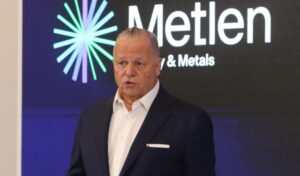
Interviewer: Minister Κικίλια, thank you for joining us today. Let’s start with the recent developments regarding maritime policy. There have been reports of significant reductions in ferry ticket prices for the middle class. Could you elaborate on this initiative and its implications?
Vasilis Kikilias: Thank you for having me. Our primary goal is to support the middle class. Over the years, ferry ticket prices had remained high and largely unchanged, which put a strain on many families. This past period, we managed to intervene effectively—despite the challenges involved—and introduced targeted measures that have successfully stabilized, and in many cases, reduced ticket prices. It’s the first time we are witnessing tangible reductions, and we believe this will make a real difference for our citizens.
Interviewer: You mentioned that the government inherited increases but managed to curb them through targeted interventions. How exactly did you achieve this balancing act?
Kikilias: Indeed, the previous trend was upward, with prices steadily climbing. Our intervention wasn’t easy; it required precise policy actions to prevent further hikes and to bring down prices where possible. We focused on regulating the market, encouraging competition, and supporting the ferry operators to share the benefits with consumers. It’s a delicate balance—paying attention to the sustainability of the industry while protecting the pockets of our citizens.
Interviewer: Some critics argue that these reductions might be temporary or that ferry companies are bearing the costs. What is your response to that?
Kikilias: I believe it’s important to recognize that ferry companies are part of the national effort to serve the public interest. When we implement such measures, the burden is shared—companies may see some impact in the short term, but in the long run, stability and fairness benefit everyone. We’ve seen no signs of excessive profits or overcharging; rather, I see stories of businesses trying to adapt to these new conditions.
Interviewer: Moving on to security issues, there have been ongoing concerns about the situation on the islands and the infrastructure there. Could you update us on the government’s efforts to modernize and strengthen these areas?
Kikilias: Certainly. Security and infrastructure on the islands are absolute priorities for us. Many of the current facilities are outdated and were designed for a different era of maritime transportation. We are undertaking a significant modernization effort—more than 170 inspections have been carried out so far, far beyond the initial plans of just 20. This comprehensive approach aims to upgrade safety standards, improve facilities, and ensure that both residents and visitors are protected.
Interviewer: And what about the personnel—are there plans for increasing staffing in the Coast Guard and other security bodies?
Kikilias: Absolutely. We are committed to supporting all security forces, with particular emphasis on human resources. We plan to carry out a substantial recruitment campaign this fall, aiming to bolster our teams and ensure they have the capacity to perform their duties effectively.
Interviewer: The migration issue continues to be a complex challenge. There are accusations and concerns about pushbacks and border management. What is the government’s stance on this?
Kikilias: It’s a very sensitive and critical matter. I want to emphasize that we are facing unprecedented migratory flows, especially from Libya due to the destabilization in Sudan. There’s a lot of European bureaucracy that sometimes hampers our efforts, but I say clearly: the borders are not just ours—they’re the borders of Europe. We cannot be lectured from on high; we need a coordinated, European approach.
Regarding pushbacks, I must condemn any actions that involve illegal or inhumane practices. We’ve sent specific complaints to the judiciary and are committed to ensuring that human rights are respected. Our priority is to manage migration effectively, prevent tragedies at sea, and collaborate with African nations for a more sustainable solution.
Interviewer: On a personal note, how would you describe your political identity? Your stance on key issues?
Kikilias: I am a center-right politician. I believe strongly in capitalism that serves the many, not just the few. I support the middle class, the family, the church, and national pride. I am committed to policies that promote growth, social fairness, and national sovereignty. I also care deeply about the political engagement of our citizens, especially the one million who choose not to vote. We must listen to them and create policies that inspire their participation.
Interviewer: Finally, what message would you send to the Greek citizens who are concerned about these issues?
Kikilias: My message is one of reassurance. We are working hard to ensure that our policies serve the interests of the people—whether it’s reducing transportation costs, strengthening security, or managing migration humanely. Greece is resilient, and I believe that through collective effort and responsible governance, we will continue to build a better future for all.
Interviewer: Minister Kikilia, thank you for your time and insights.
Kikilias: Thank you. It’s been a pleasure.
Ask me anything
Explore related questions