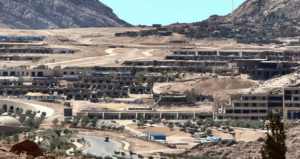
Descending the winding, asymmetrical road that leads out of the perimeter of the Monastery of Saint Catherine, the view that unfolds before you is almost surreal: in the sun-scorched valley, just a breath away from the sacred site, a colossal tourist project has already begun to take shape.
We wandered for hours through the wider area, climbed slopes, passed through unfinished construction complexes, and saw with our own eyes the full scale of a plan that bears no resemblance to the wild, ascetic beauty of Sinai. Before us stood five-star hotels in advanced stages of construction, ultra-luxurious villas overlooking the Monastery, a high-standard conference center, and dozens of construction sites working feverishly.
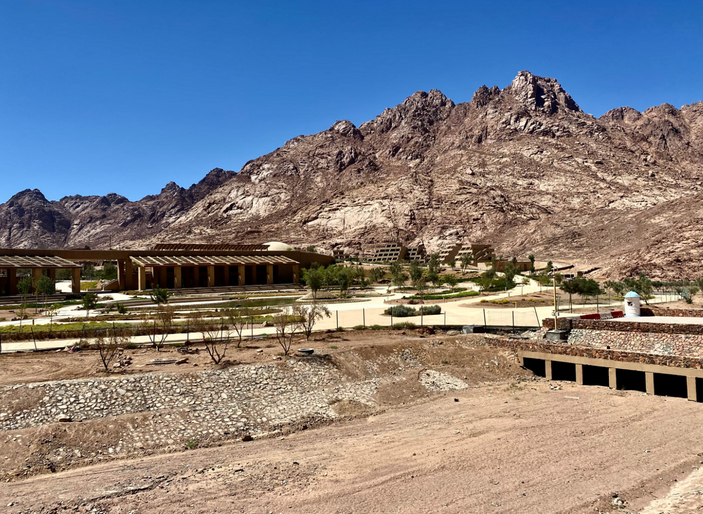
The project, named “The Great Transformation”, aspires to turn Sinai into an international destination for spiritual, cultural, and conference tourism. The total investment reaches $320 million, aiming — according to the relevant authorities — to attract up to 30 million tourists by 2028, a development that, they claim, will bring enormous economic benefits to Egypt.
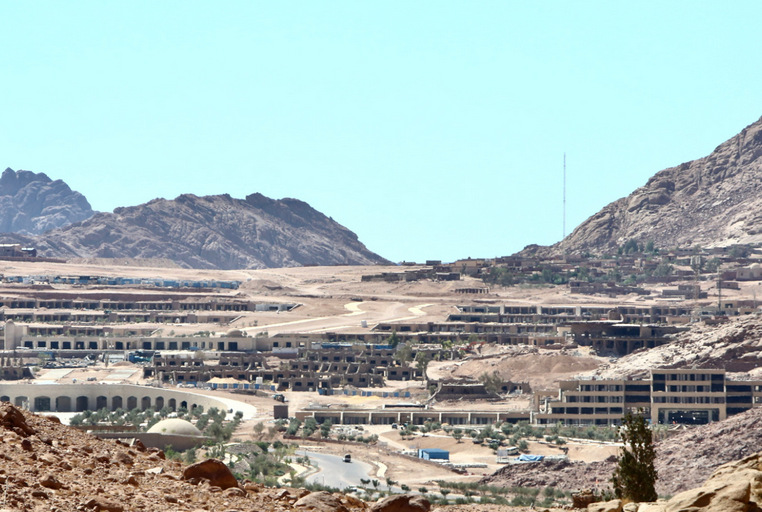
Officials insist that the works are fully aligned with UNESCO standards, as the area has been designated a World Cultural Heritage Site since 2002.
However, there are many — including, first and foremost, the Egyptian media — who believe that the recent court ruling on the confiscation of Monastery properties is far from unrelated to this construction boom.
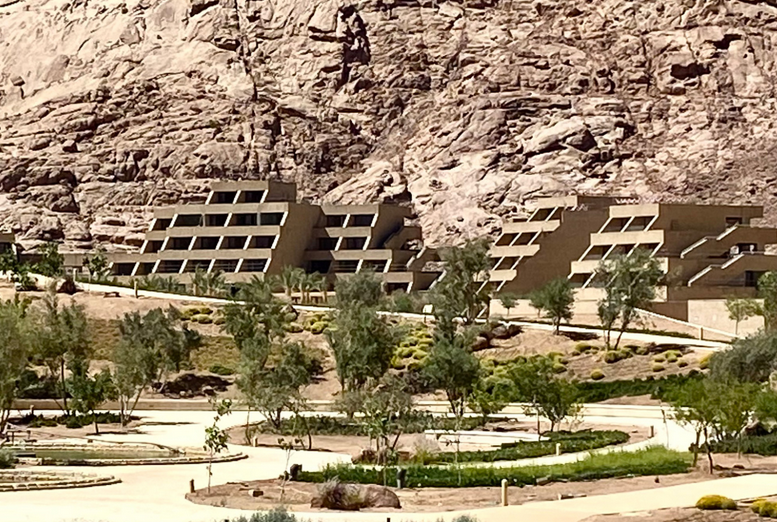
They point out the timing of the ruling, coinciding with the launch of the “Great Transformation,” suggesting that this development may directly serve the interests of certain economic circles.
It’s no secret, after all, that for some major figures in real estate and tourism planning, transforming the Monastery from an active monastic center into a museum-like religious attraction would be extremely convenient. A monastery without monks, but with millions of tourists passing through its gates daily, bringing in revenue and global exposure.
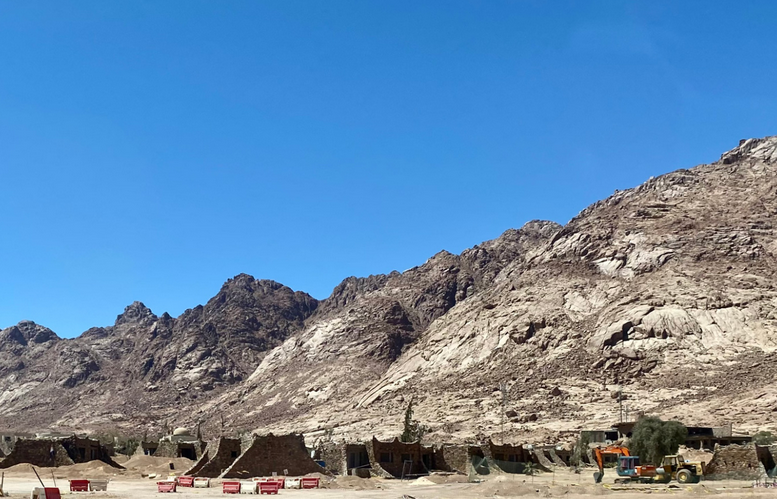
For now, there is no official evidence that the Monastery is included in the plans of this tourist “transformation.” However, the proximity of the new infrastructure, the scale of the intervention, and the timing of the court decision leave many questions unanswered.
And it may only be a matter of time before it becomes clear whether this historic monastery — which has stood for 1,500 years at the crossroads of religions and peoples — will remain unscathed, or become yet another part of a tourist map designed far from its cells and prayers.
Ask me anything
Explore related questions