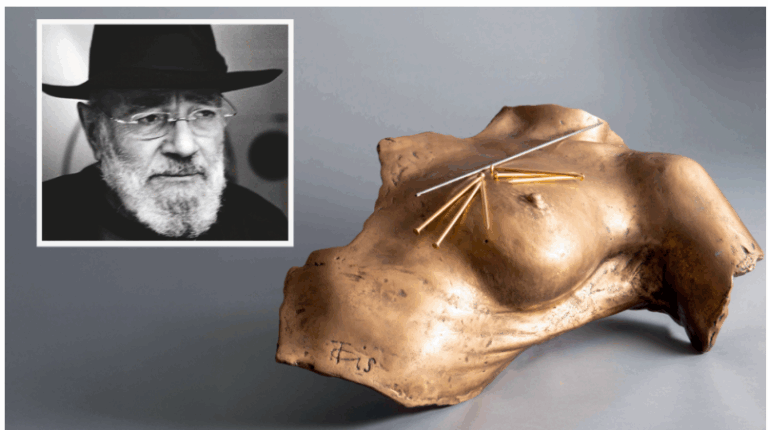
On the occasion of the 100th anniversary of the birth of Panayiotis Vassilakis, internationally known as Takis, art and creativity celebrate the legacy of one of the most iconic sculptors of the modern era. His journey began in a time of challenges: 20th-century Greece was marked by political unrest and social change. Young Takis, inspired by the natural beauty of his homeland and ancient monuments, decided to pursue art.
After completing his studies at the Athens School of Fine Arts in 1945, his life changed dramatically when he moved to Paris. There, he discovered new artistic approaches and was influenced by movements such as Surrealism and Minimalism.
100 Years of Takis (1925–2025): The Sculptor Who Shaped Science
A wide range of artistic events will be held at the Takis Foundation and in collaboration with esteemed local and international institutions to celebrate the centenary of this great artist’s birth.
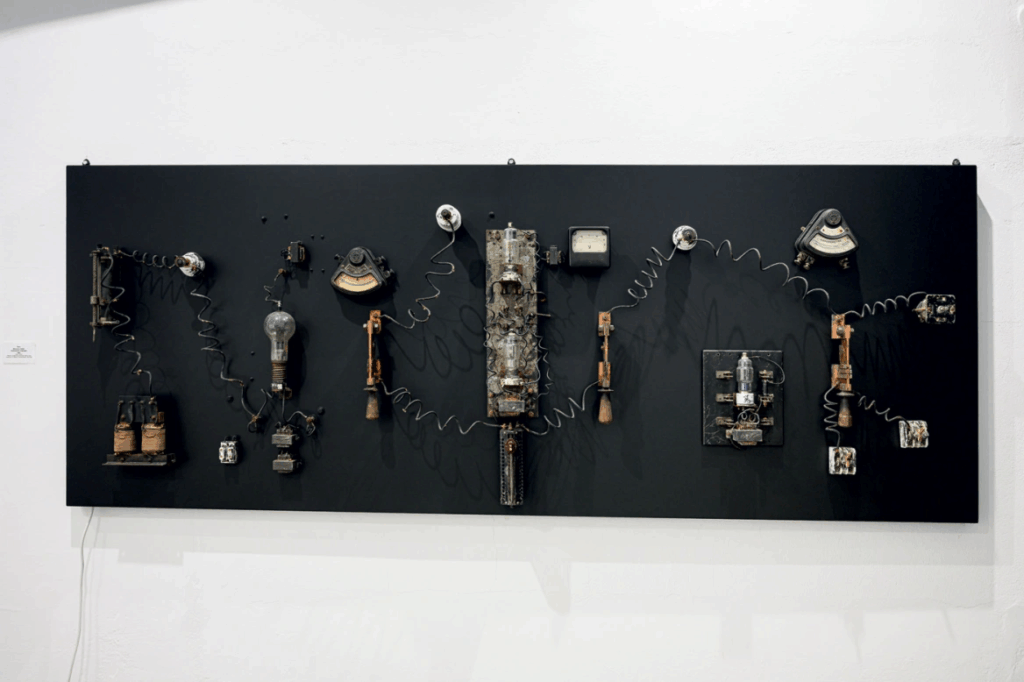
In the City of Light, he met influential artists and thinkers who broadened his horizons. His experience in Paris led him to experiment with mechanical elements and light in his sculptures. One of his most emblematic works, The Electric Garden, merges nature and technology, creating an interaction between the viewer and the sculpture.
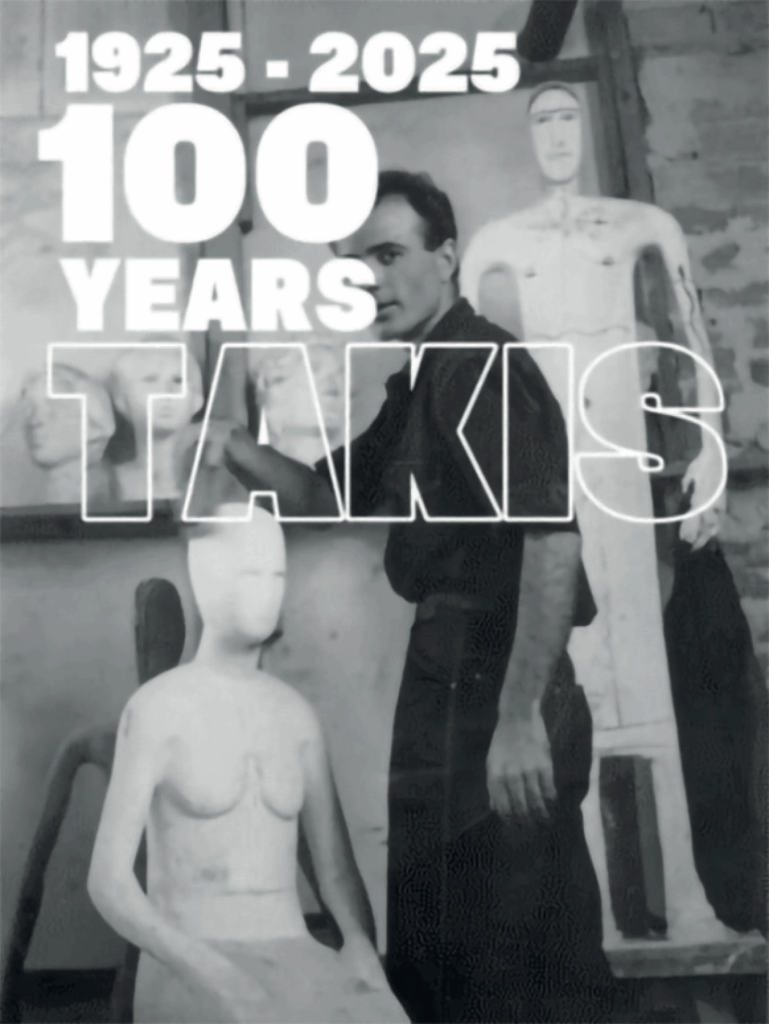
“In 2017, I was fortunate to work closely with Takis and the Takis Foundation. He was my mentor,” says Menia Kouli, the Director of Communications and Public Relations at the Takis Foundation, recalling a life-changing encounter. “He was incredibly intelligent, philosophical, and light-years ahead of his time! Daily contact with him was a huge spiritual experience for me, and a driving force to navigate this demanding world of art. Continuing his vision with the rest of the team he so deeply loved was a mission. He was a special, unique person, with his own perception of life—something like a demigod to me,” she says emotionally, guiding us through the Takis Foundation.
The Center for Art and Science Research, which the artist founded in 1986 at Gerovouno, on the foothills of Mount Parnitha near Athens, remains the cradle of his visual and research work. It continues operating today, staying true to the founder’s vision, even after his passing in August 2019.
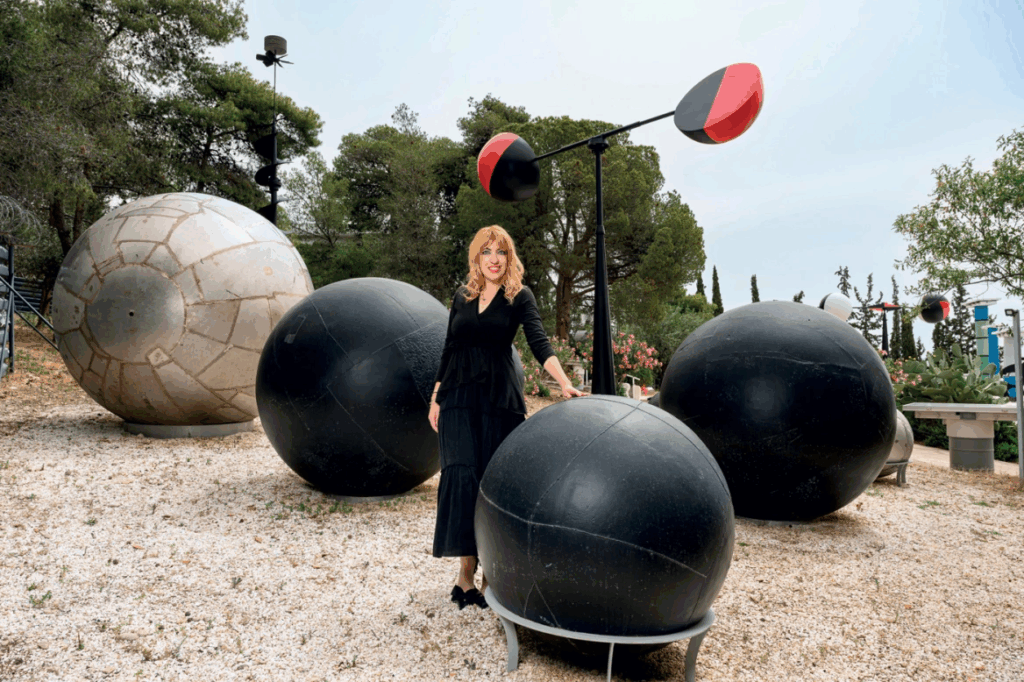
“It’s incredible how Takis managed to connect art with science,” Menia Kouli remarks.
“His sculptures are not just objects, but experiences that invite us to think and interact.” This philosophy set him apart and influenced not only the art world but also the broader conversation about the relationship between humanity and technology. His works, full of light and movement, reflect his internal struggles and his desire to explore the limits of human expression.
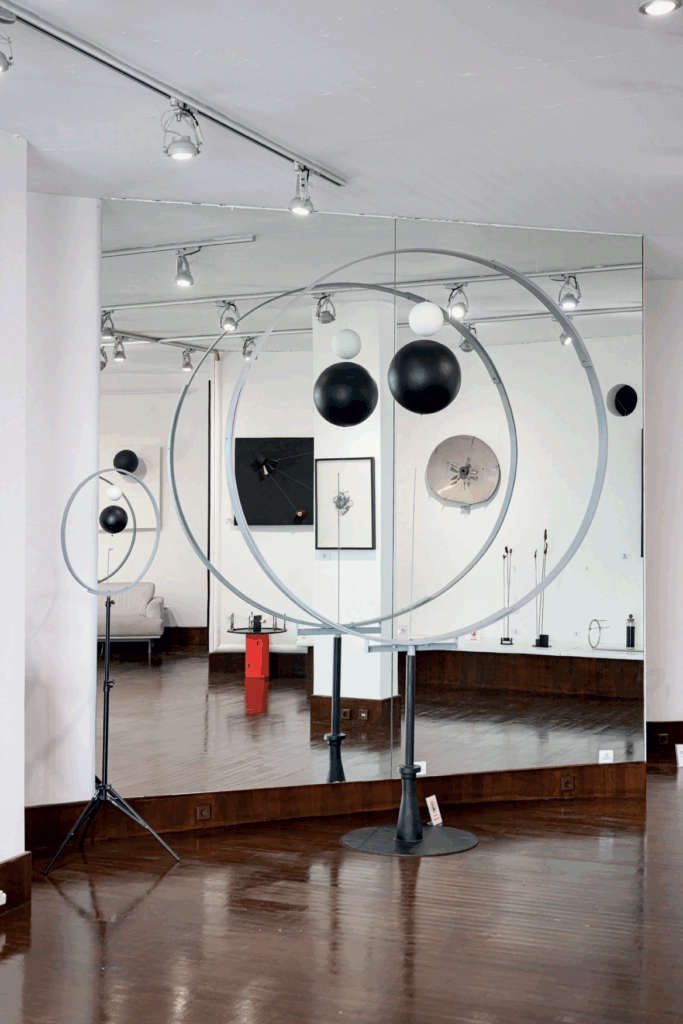
Menia remembers: “We read the New York Times daily—he always wanted to stay informed about the world. ‘I am a citizen of the world,’ he used to tell me. He loved Greece deeply, especially his hill, where he established his Foundation. He was always thinking. He drank a lot of coffee and smoked heavily.
He had invented a special aluminum filter for his cigarettes and gave me one too, claiming it absorbed tar somehow. A brilliant inventor! He had delved into Solar Yoga before everyone else discovered it, and we practiced it together in the gardens of the Foundation. ‘My foundation will last forever,’ he used to say. And so it is.”
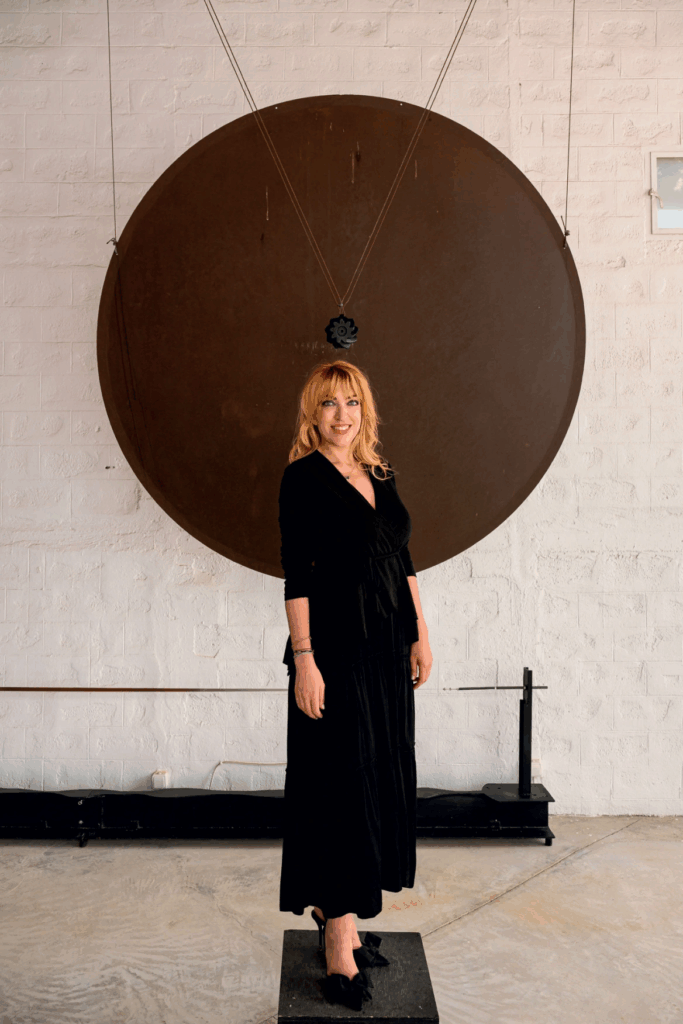
As we celebrate the 100th anniversary of the great visual artist’s birth, it’s worth acknowledging his legacy and ongoing impact on the arts. His sculptures remain symbols of innovation and creativity, and his influence continues to inspire new generations of artists.
“In 2025, we honor 100 years since Takis’ birth by presenting a rich and original year-long program of artistic events at the Takis Foundation, in collaboration with major local and international institutions,” Menia Kouli concludes.
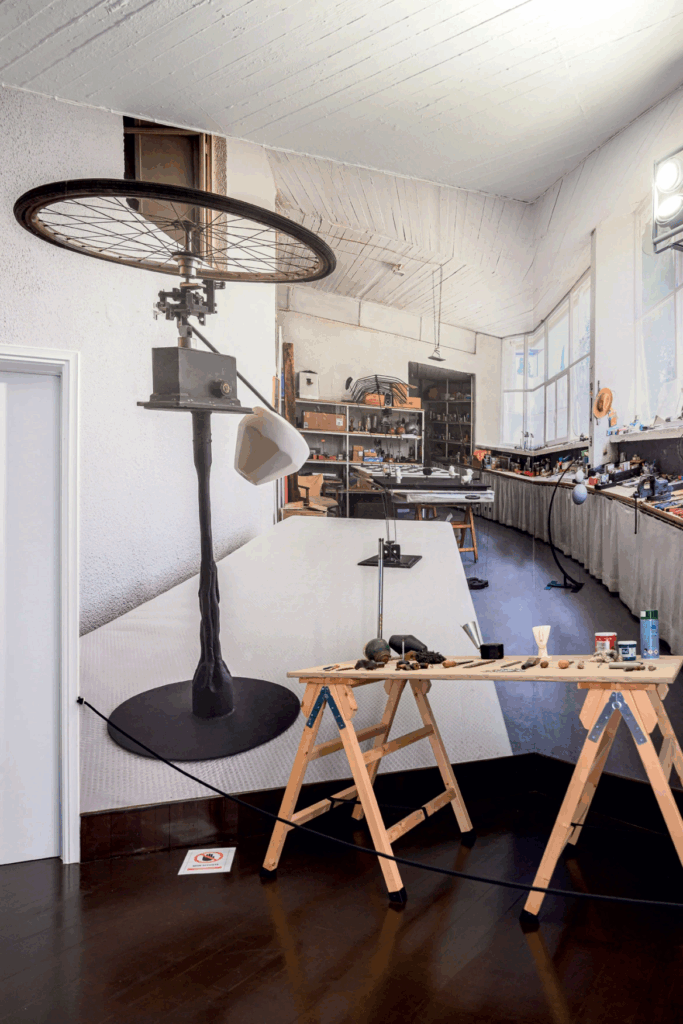
“Our goal is to create a city map featuring more of his works in public spaces across Athens—such as the City Link mall, the B. & M. Theocharakis Foundation, the Stavros Niarchos Foundation Cultural Center (SNFCC), the Lalaounis Museum, and other key locations.” In fact, the Basil & Elise Goulandris Foundation, in collaboration with the Takis Foundation, is already organizing a retrospective exhibition of more than 150 works by the late artist at its museums in Athens and Andros, running from mid-June to early November.
Ask me anything
Explore related questions