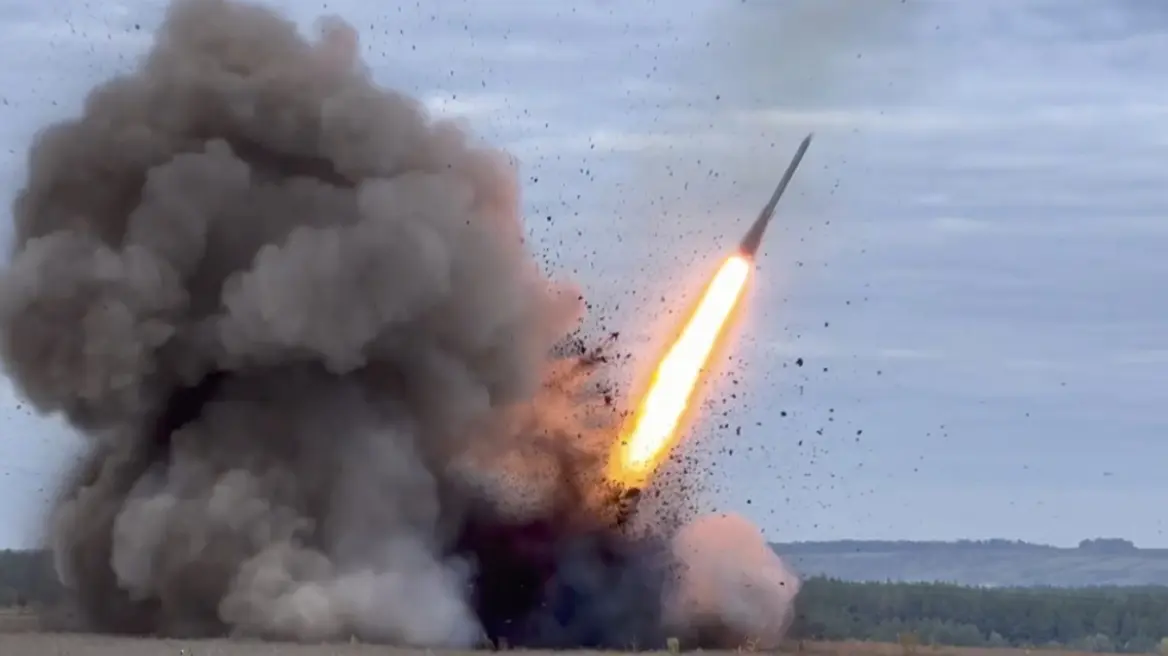
Today, nearly three years later, Israel, having neutralized every opponent on its borders, is systematically pressuring for the final attack on what Tel Aviv considers the root of all evil: Tehran. Early Friday morning, Tehran suffered irreversible exposure, and whatever the response towards Israel may be, it will not cover the widening gap created by the definitive end Tel Aviv has planned for the theocratic regime.
Iran’s nuclear program is undoubtedly a significant problem for the West and beyond. While current developments are based on this and most Israeli airstrikes have targeted areas with nuclear significance, stepping back reveals that Israel benefits more from the death of Salami, the head of the Revolutionary Guards, than from border strikes. Tel Aviv is methodically advancing towards the country’s religious leader, Ali Khamenei, knowing that by removing the actual military force of power, the situation will evolve faster in the direction it desires.
Even if Israel manages to eliminate Iran’s religious leader and reduce the holy city of Qom, home to the Ayatollahs, to ashes, it will not have fully achieved its goal, which is clearly to completely change the country’s political, social, and diplomatic stance. Despite hundreds of precision strikes, Israel has not touched Iran’s resource wealth.
Iran’s oil fields remain intact, and Netanyahu will immediately use this as a bargaining chip: he will argue that the Iranian people should not be targeted and impoverished, while maintaining good relations with third countries that purchase massively from Tehran.
Netanyahu’s Absolute Need for the Iranian People
Israel is moving along the path it set from the beginning and, despite obstacles—mainly from the other side of the Atlantic—is close to achieving its ultimate goal. This time, the mission is much harder and more complex than operations in the Palestinian enclave or battles against Hezbollah in Lebanon. Iran is a very different case, and to reach the peak, Netanyahu absolutely needs the people of Tehran.
The experienced politician and longest-serving Israeli Prime Minister has not issued two addresses since the crisis began in English (with Persian translation) to the Iranian people by chance. If the Revolutionary Guards falter, so will fear, and when that happens, the social uprising of 2019 combined with the popular anger from the “Velvet Revolution” that followed a few years later, could bring significant structural upheavals.
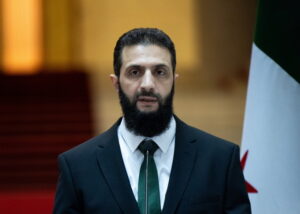
Israel, aiming to apply the same tactics that Al Sarraa’s group used in Syria to overthrow Assad, is fully aware of the greater difficulty, but the final goal is worth it. For this reason, the attacks starting early this morning will continue, with no “restraint” and measured retaliation from either side.
Ask me anything
Explore related questions