This year’s NATO Summit in the Dutch administrative capital of The Hague is not reminiscent of other Summits in the recent past. Due to Donald Trump‘s inability or unwillingness to participate in long-lasting Summits, the schedule has been adjusted in such a way that the US president stays as little as possible in the plenary session.
As much as possible to keep the meeting as much time as possible as possible.
In practice, the Summit begins with tonight’s dinner at the Huis Den Bosch Palace, with the Dutch royal couple as hosts, and the Summit, which begins tomorrow around 11:00 a.m. ET, will be completed by 3:00 p.m. ET. Tellingly, Kyriakos Mitsotakis, arriving in The Hague this afternoon, has a schedule in Brussels tomorrow afternoon, ahead of the EU Summit.
It’s a given that Trump would like to come to The Hague…trophy bearer, cutting a ceasefire agreement between Israel and Iran. But this morning’s bombings are “spoiling” the “presidential soup”, leading Mr Trump to issue stern warnings to the two parties involved. If things went according to presidential script, Mr. Trump would have had a very good two days: both getting the deal in the Middle East and getting the commitment of NATO allies to a defense spending increase to 5% of their GDP in the coming years, albeit with a…budgetary alchemy.
In this context, the war in Ukraine seems to be somewhat sidelined as a priority. Volodymyr Zelensky, who wants an appointment with Mr. Trump, is in The Hague and has a schedule of contacts, but he will only attend tonight’s dinner, not tomorrow’s summit. And Trump does not seem to be “burning” for another meeting with the Ukrainian president.
The 5% target
Trump’s observation that Europeans in particular spend little on defense, which he made before the end of his first presidential term, was admittedly correct.
In the meantime, however, the war in Ukraine began, so in one way or another, most NATO members “hit” the target of 2%. But Trump hasn’t changed his line and is sticking to 5%, which Dutch Secretary General Rutte is willing to achieve, even if only on paper.
Rutte’s plan does call for 5% spending over the next few years, but in practice, the target is 3.5% for pure defence spending and 1.5% for security and defence-related spending and investment such as infrastructure, industry, and resilience. The initial time horizon for implementing the commitment is 2035, but it has not yet been finalised and is also expected to be a topic of discussion among leaders. Already, however, Spain has achieved an exemption from the rule, while Belgium and Canada have expressed objections, so the debate on the timing of the adjustment will be interesting.
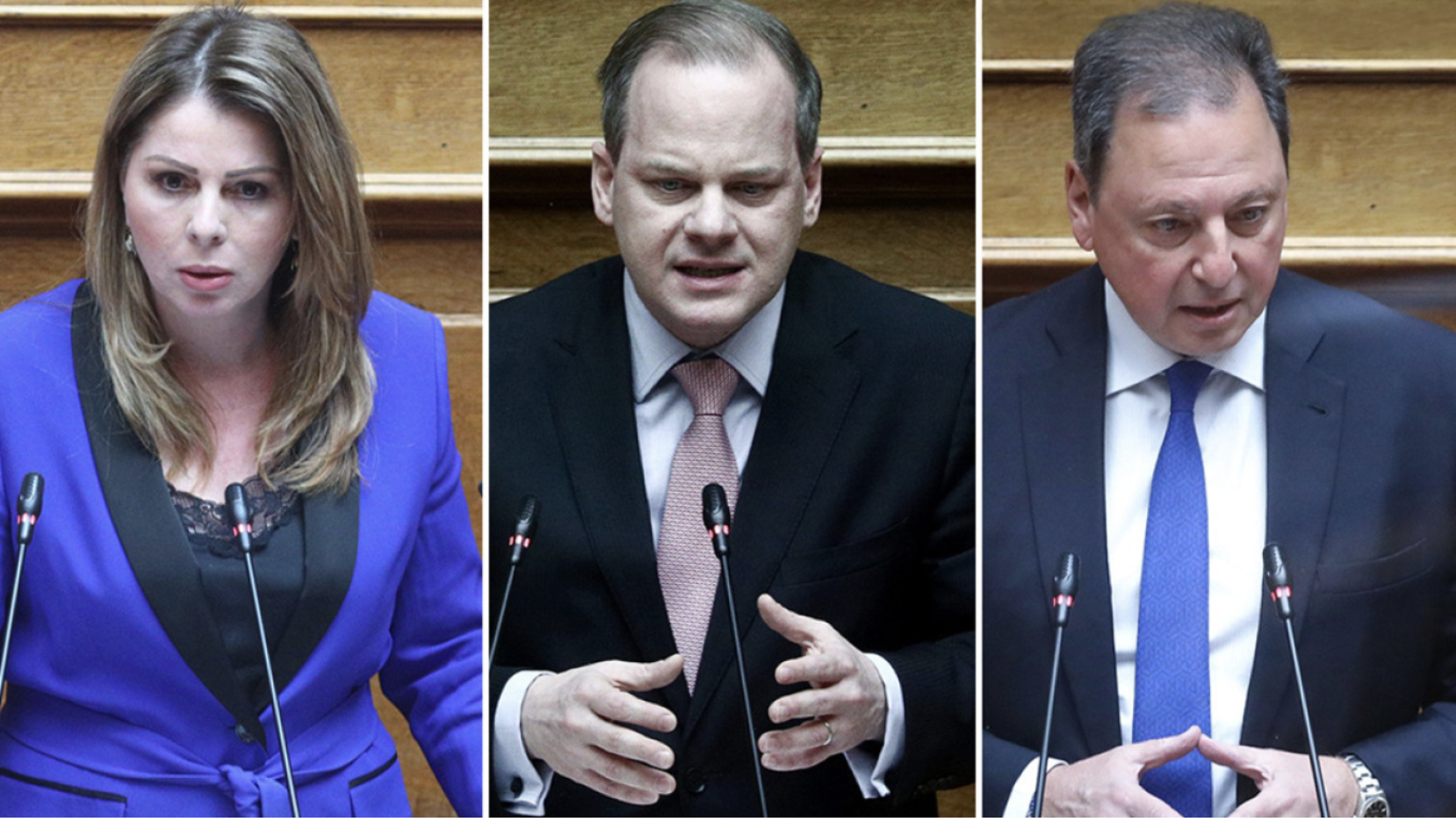
According to Greek government sources, Greece agrees with the secretary-general’s proposal as it already spends more than 3% of its GDP on defense, so it is among the hard core of Alliance countries that have exceeded the NATO commitment, which is currently 2% of GDP, and the prime minister recently unveiled the country’s 12-year, €28 billion defense arms program. In his intervention at the Leaders’ Summit, Mitsotakis will point out that Greece, despite economic difficulties, has consistently delivered on its commitments, and will highlight the urgent need for Europeans to invest more and more intelligently in collective European defence and to form a strong European defence pillar complementary to NATO.
The “wild card” Erdogan
The presence of Tayyip Erdogan in The Hague adds interest to the equation, however. According to US and Turkish leaks, he is expected to meet with Donald Trump, with whom he has spoken several times on the phone about the situation in the Middle East. Mr. Erdogan aspires to get an invitation to the White House, which he never got under Biden, but also a serious discussion about lifting the CAATSA sanctions that block the supply of critical U.S. armaments.
On the other hand, Mitsotakis does not have an organized meeting with Erdogan on his schedule, which means that the scenario of a High Cooperation Council in early July in Ankara is probably utopian. Given the geopolitical developments, moreover, it would hardly be possible for this to happen anyway. On the other hand, Athens does not want to cut the line of communication with its neighbor, so it is not unlikely that Mitsotakis and Erdogan will have a stand-up tete-a-tete on the sidelines of the summit.
Ask me anything
Explore related questions