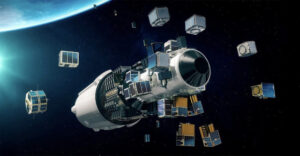
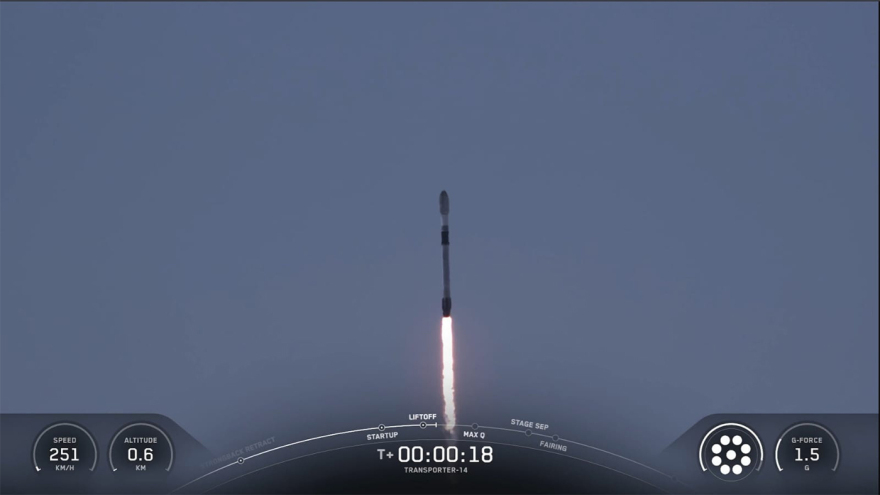
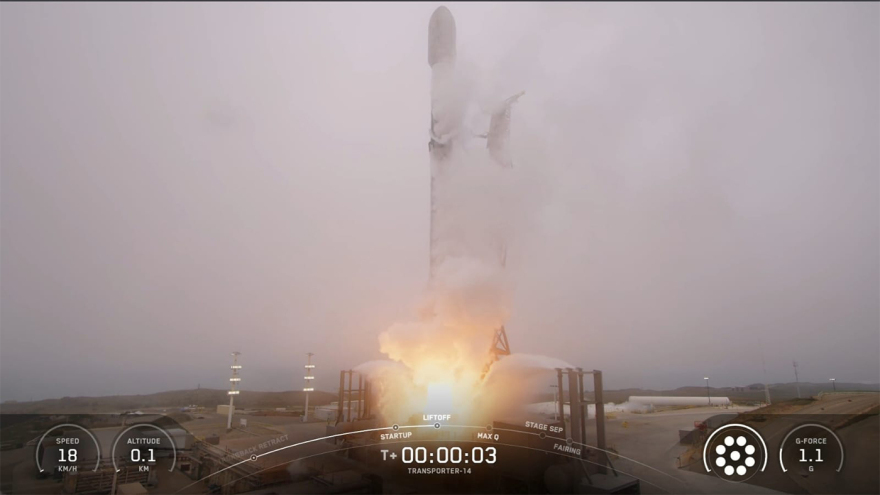
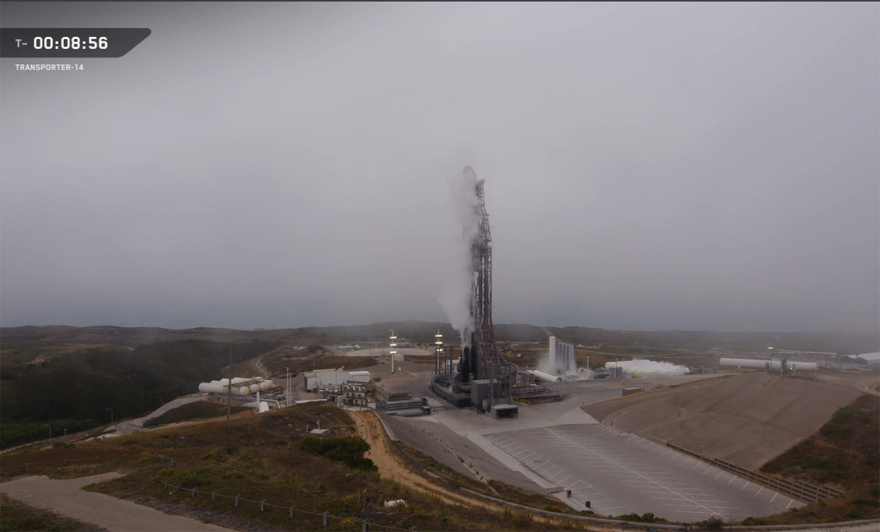
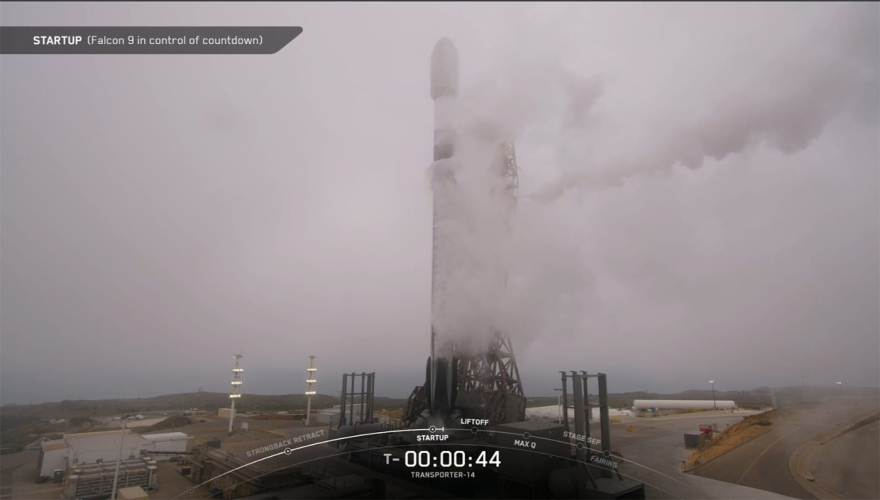
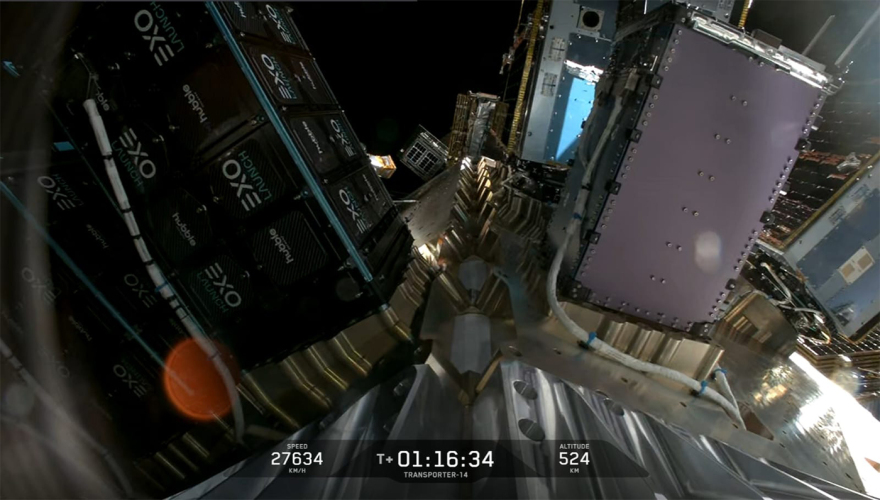
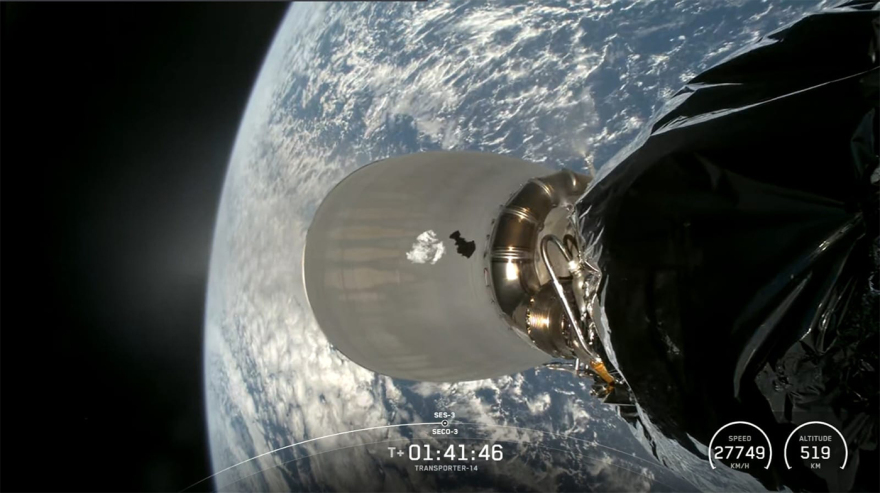
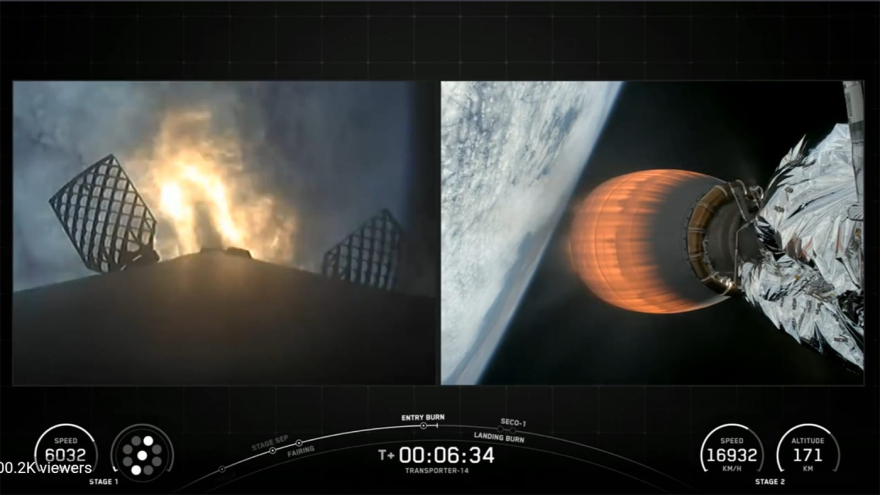
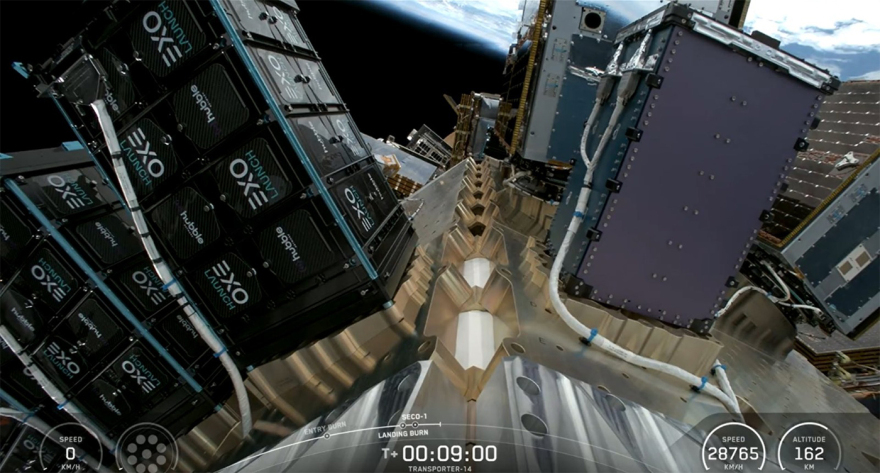
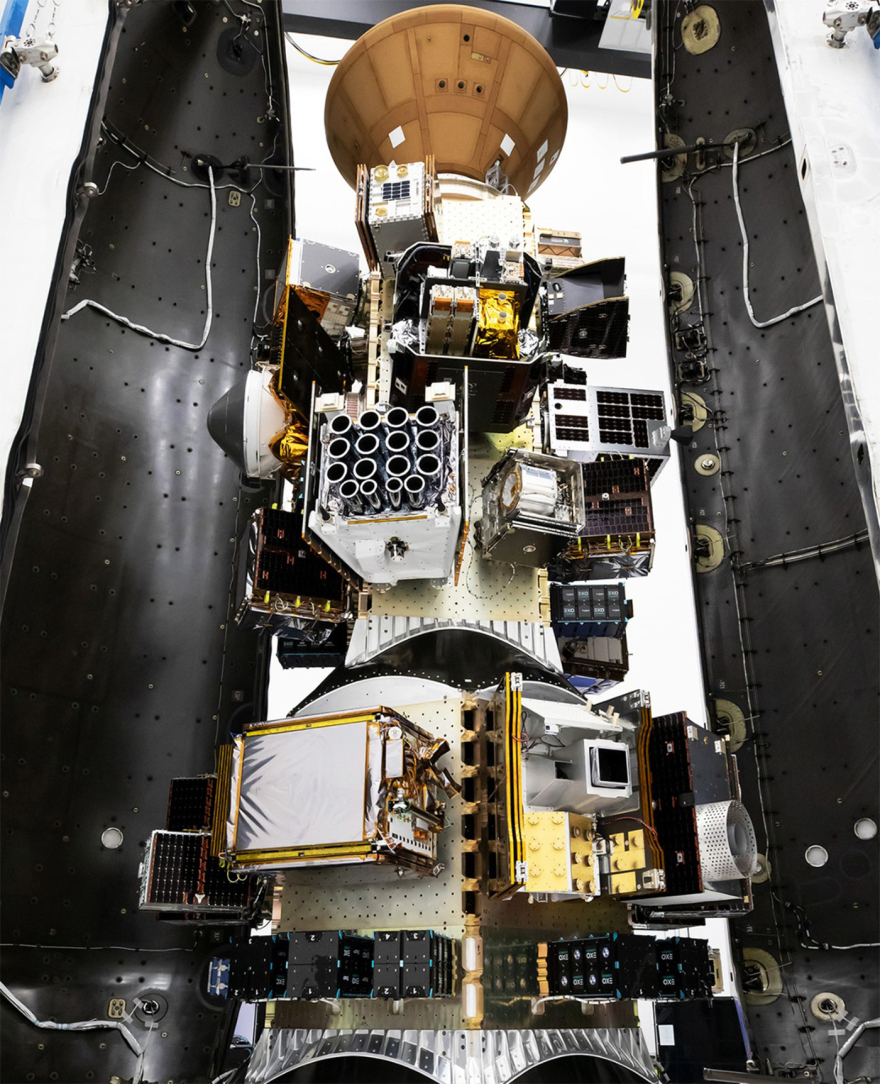
On Monday, June 23, 2025, at 23:30 (local Greek time), the DUTHSat-2 was launched—the first CubeSat satellite under the National Micro-Satellite Program with the support of the European Space Agency (ESA). As shown in the related video, the launch took place from the Vandenberg base in the USA aboard a Falcon-9 rocket, as part of SpaceX’s Transporter-14 mission.
The DUTHSat-2 satellite was designed and built by a scientific team from the Democritus University of Thrace, in collaboration with Greek companies. The development of such projects within the university community boosts the extroversion of institutions, creates opportunities for young scientists, and significantly contributes to linking research with the needs of society and the economy.
It is noted that the 7-kilogram DUTHSat-2 traveled for about an hour on the Falcon-9 rocket alongside other satellites and was released into orbit at an altitude of 510 km above sea level. It will now undergo a thorough process of orbital positioning and initiation of operational function. Within at least 6 months of successful communication and start of operations, DUTHSat-2 will validate new experimental Earth observation (optical cameras) and secure connectivity (telecommunication systems) configurations in orbit.
The aim of this project is to enhance the country’s capabilities in Earth observation and secure space communications. More specifically, DUTHSat-2 will provide images and measurements that will be used to supply information about soil moisture and marine pollution. Additionally, the spectral recording frequencies and camera resolution have been selected to enable the detection of oil spills and pollution from ships’ ballast water discharges. A new telemetry and housekeeping unit demonstration will also be performed in flight. The Essential TeleMetry and housekeeping (ETM) system is the space equivalent of a “black box,” allowing operators to monitor the satellite’s status in the event of a failure of its primary subsystems.
This mission is part of a comprehensive national strategy to leverage space technologies in addressing natural disasters, monitoring the environment, and strengthening civil protection. The successful implementation of the DUTHSat-2 mission marks the beginning of a series of Greek micro-satellite missions that will follow in the near future, further enhancing the country’s operational and technological capabilities. Two more CubeSats from Greek company consortia are expected to be launched by November.
The National Micro-Satellite Program, implemented under the auspices of the Ministry of Digital Governance and funded by the Recovery and Resilience Facility, represents a strategic investment in innovation, sovereignty, resilience, and technological self-sufficiency of the country. It integrates the human scientific potential, Greek universities, and domestic industry, and solidifies Greece’s position as an active member of European space policy.
Minister Dimitris Papastergiou stated:
“We have the first Greek-flagged satellite in space as part of the National Micro-Satellite Program, with the first successful launch of a mission that is both research-oriented and aimed at technology demonstration in the CubeSat category.
The DUTHSat-2 CubeSat is an excellent example of what can be achieved when the Greek scientific community collaborates effectively with industry. Led by the Democritus University of Thrace and supported by ESA, this project highlights that Greece has talent, expertise, and dynamism in the space sector. I want to congratulate everyone who worked on this. This is just the beginning of the Greek presence in space.
The National Micro-Satellite Program strengthens our country’s capabilities in critical sectors such as civil protection, environmental monitoring, and secure communication. Beyond expanding our capabilities in many fields, we are also creating a domestic space ecosystem, linking scientists, institutions, research centers, universities, and Greek companies with international developments in technology and innovation.”
Ask me anything
Explore related questions