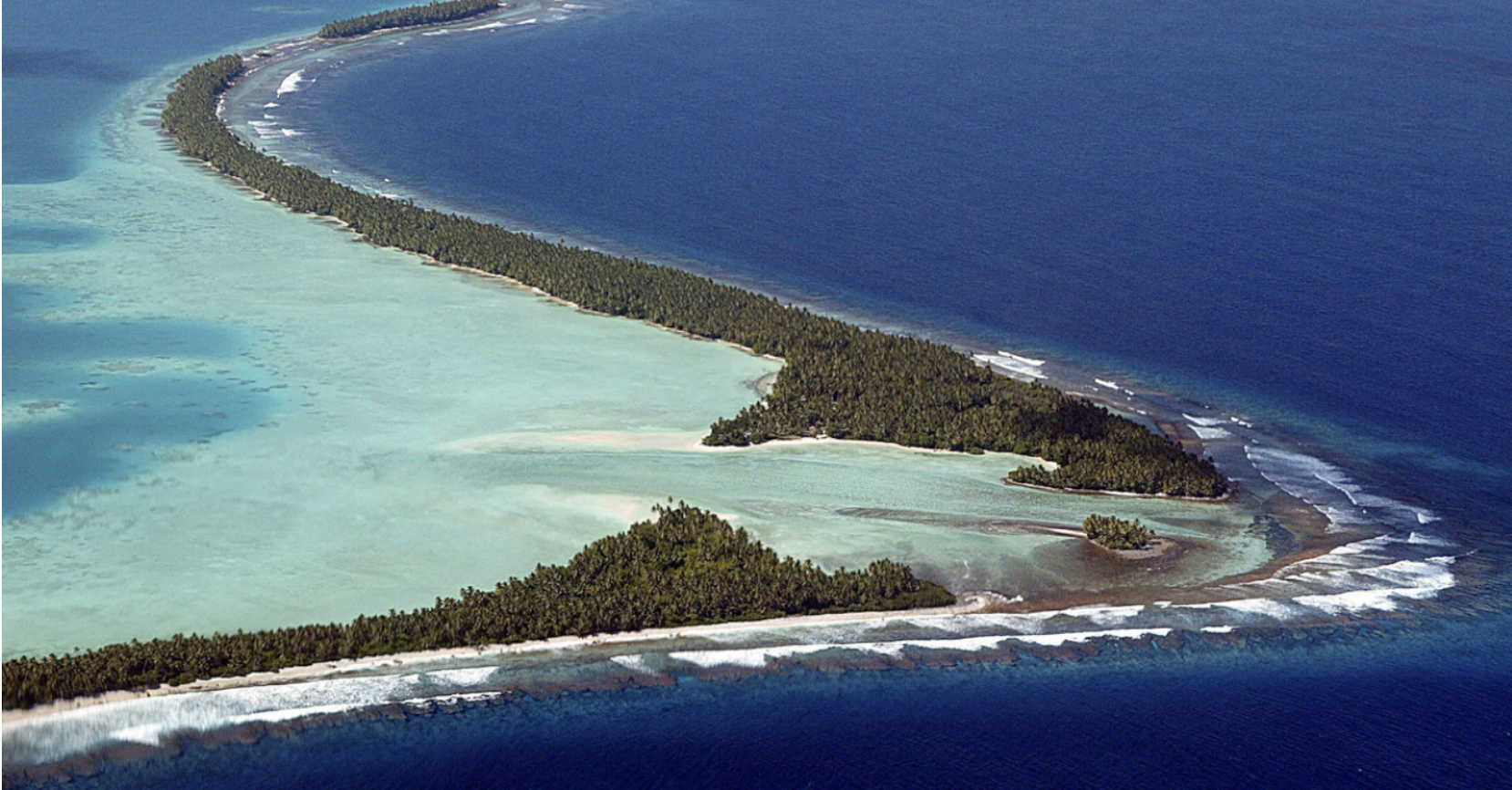
A new study has revealed radioactive contamination up to 4,500 times higher than normal in marine sediments near the Montebello Islands, off the coast of Western Australia. The extreme levels of plutonium are the legacy of British nuclear tests conducted in the region during the 1950s, raising fresh concerns about environmental and ecological risks.
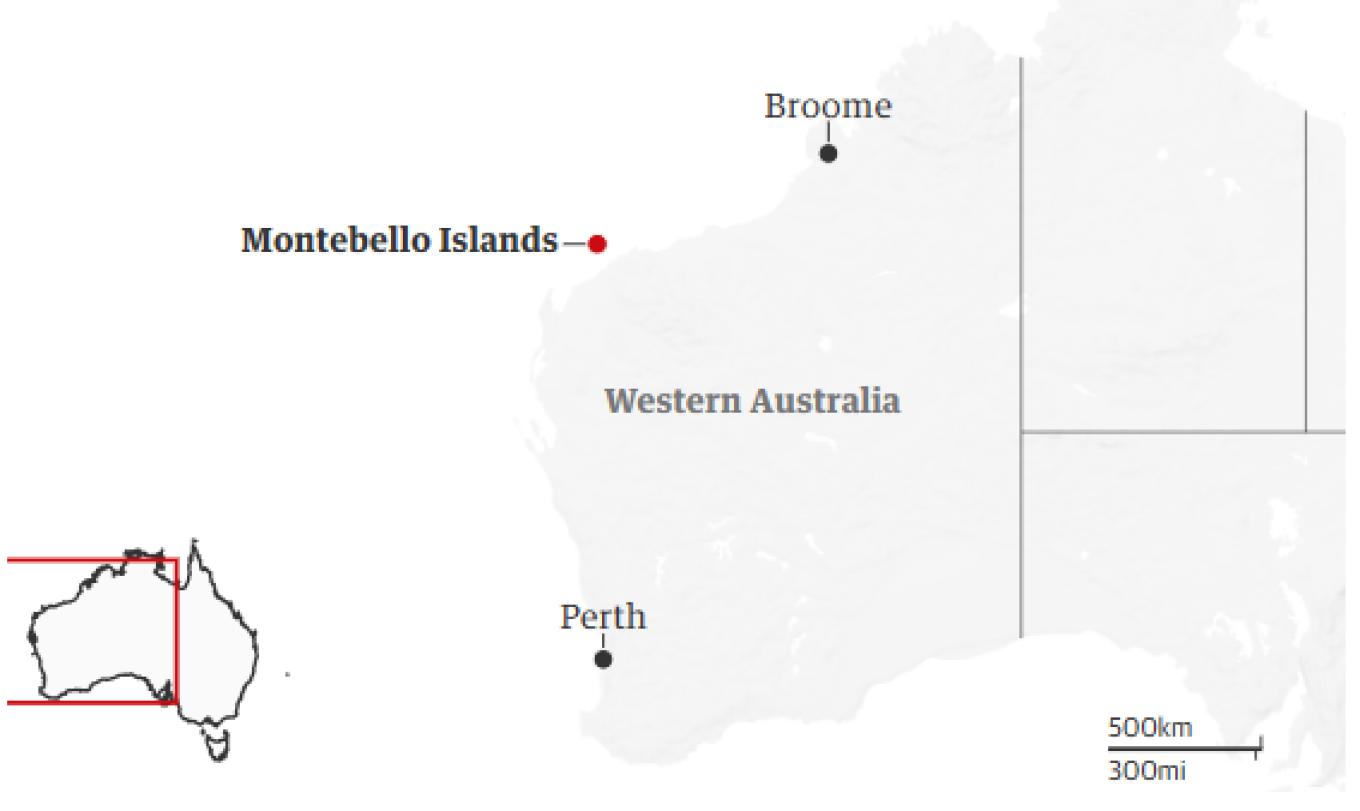
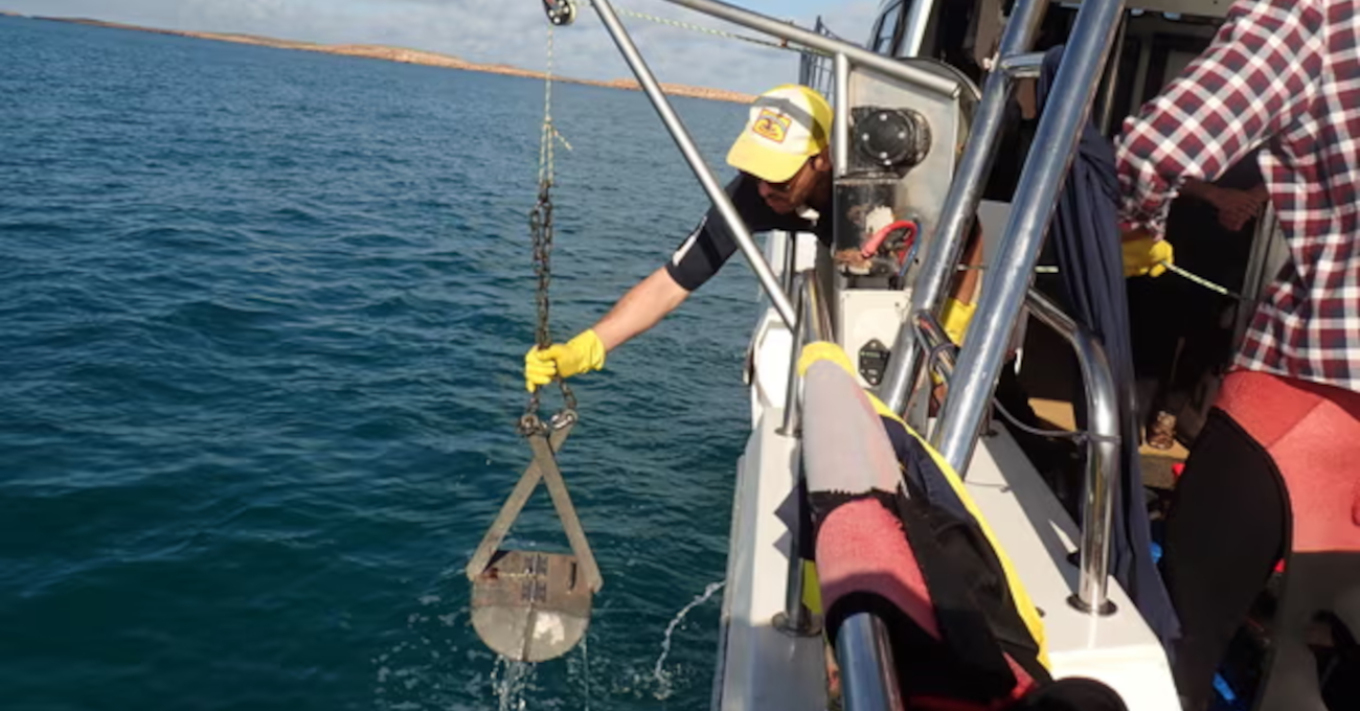
The research, published in the Marine Pollution Bulletin, analyzed 66 sediment samples collected by a dive team in 2020. The findings identify the Montebello Islands as one of the most contaminated locations with human-made radioactive material in the Southern Hemisphere.
Dr. Madison Williams-Hoffman from Edith Cowan University, who led the study, explained that the plutonium originated from the “nuclear fallout” of the explosions and settled on the seafloor. This dangerous element, which remains active for thousands of years, poses significant risks if inhaled or ingested, though it cannot penetrate the skin.
The nuclear tests were conducted on ships and towers near Trimouille and Alpha Islands, areas that today form part of a protected marine park renowned for its biodiversity and endangered species. Despite no immediate threat to human health—as confirmed by previous studies on local fish species—scientists stress the importance of mapping pollution “hot spots,” monitoring bioaccumulation, and assessing impacts on marine ecosystems.
Australia’s Nuclear Safety Agency (ARPANSA) supported the study, highlighting its value in understanding the long-term environmental effects of nuclear explosions.
Visitors to the Montebello Islands marine park are currently advised not to stay on the islands for more than an hour per day and to avoid contact with the soil. Tim Hunt from the Western Australia Parks and Wildlife Service noted that these restrictions are considered adequate but will be reviewed if necessary.
“This is just the first step,” said Dr. Williams-Hoffman. “Now that we have identified the extent of radioactive pollution off the Australian coast, the next phase is to study how, and if, marine ecosystems are being affected.”
Ask me anything
Explore related questions