





As of July 1, 2025, the International Football Association Board (IFAB) is implementing eight significant changes to the rules of the game, which will directly impact the flow and experience for both players and spectators.
While some of these changes are technical, others practical, all aim to make the game fairer and more dynamic. Among them are updates to the offside rule, VAR decisions, penalty kicks, and the time goalkeepers can hold the ball.
Let’s look in detail at all the changes from now on.
Eight Seconds for Goalkeepers
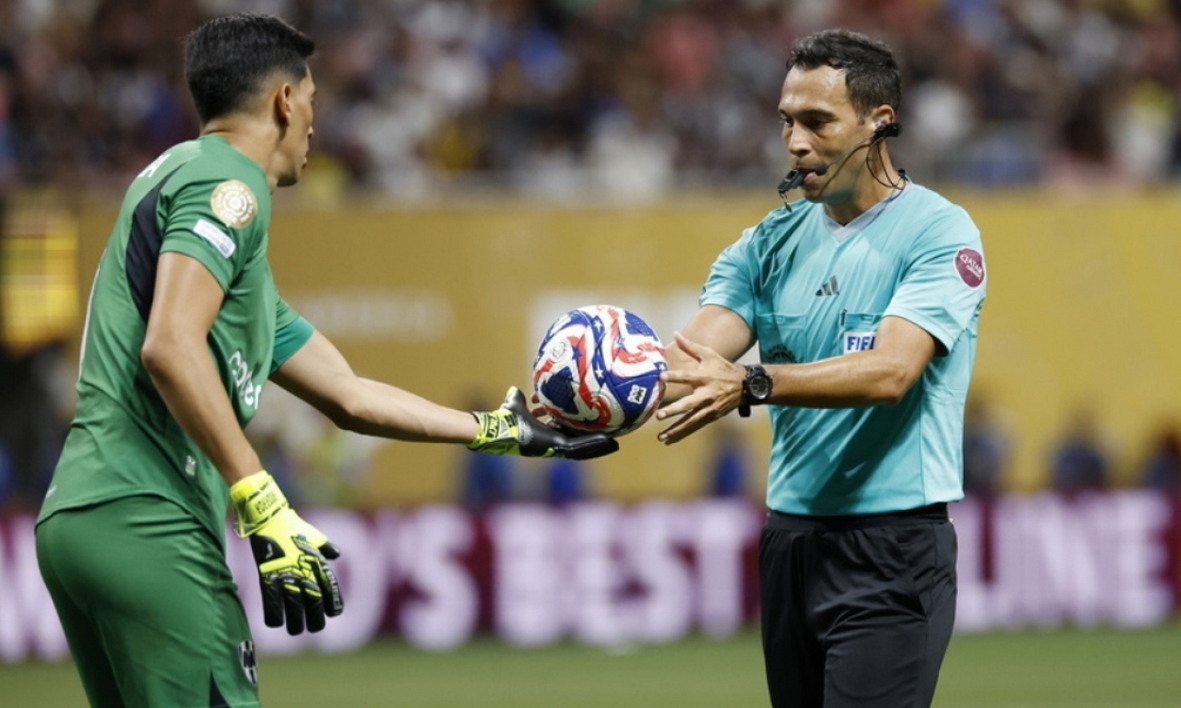
One of the most discussed changes concerns the amount of time a goalkeeper can hold the ball in their hands. Until now, there was a general guideline of six seconds, but it was rarely enforced strictly. Now, the limit is raised to eight seconds, but the penalty becomes stricter. If the goalkeeper delays, the opposing team will be awarded a corner kick, not just an indirect free kick. The aim is to reduce time-wasting and keep the game flowing.
This rule was first applied at the 2025 FIFA Club World Cup, during the match between Mamelodi Sundowns and Ulsan Hyundai.
Referee Acts as a Stopwatch
As part of this rule, referees will now give a visible signal. When the goalkeeper is close to the eight-second limit, the referee will raise their arm and count down, so that players and spectators are clearly aware that time is running out.
New Procedure for Dropped Ball Restarts
The procedure for restarting play with a dropped ball has been revised when play is stopped for non-infringement reasons (e.g., injury, referee intervention). If play is stopped outside the penalty area and the referee is not certain which team had possession, the ball will go to the team that last touched it. However, if it is clear who had possession or who would have received it (e.g., from a throw-in, foul, or free kick), then play will resume in their favor.
No More Cards for Accidental Contact with the Ball Off the Field
If a player, coach, or even a sent-off substitute accidentally touches the ball after it goes out of play, they will no longer be penalized with a card. Instead, an indirect free kick will be awarded. IFAB deemed it too harsh to punish an unintentional action that did not influence the flow of the game.
Offside Based on Last Touch
A small but important change to the offside rule: from now on, offside will be judged based on the last touch of the ball, not the first. Until now, the critical moment was the first touch of the player making the pass or cross. Now, the decision will be made based on the last contact with the ball, whether it’s a pass, deliberate or accidental touch, before the final action.
This matters in cases where a player dribbles or touches the ball multiple times before passing. The new definition helps VAR apply the rule with more precision and clarity.
Penalty Kick with Double Touch: Retake or Foul
If a player inadvertently touches the ball with their other foot during a penalty kick (e.g., due to slipping), the result depends on the outcome:
If the ball goes in, the penalty is retaken. If the ball doesn’t go in, an indirect free kick is awarded to the defending team.
During penalty shootouts in knockout stages, such a case would count as a miss.
This clarification came after the controversial penalty by Julián Álvarez, disallowed by Szymon Marciniak in the Champions League round of 16 between Atlético and Real Madrid. Before that, there was ambiguity around what happens if a player touches the ball twice during a penalty kick, which led to debate and reactions.
New Assistant Referee Positioning at Penalties
During a penalty kick, the assistant referee will no longer stand on the goal line, but rather in line with the last defender (i.e., the theoretical offside line).
This allows better observation of potential infringements by players entering the area too early. The change improves enforcement of the rules on rebounds and better organization of defensive play.
Public Announcement of VAR Decisions
Perhaps the most “TV-friendly” rule change relates to VAR decision management. From this year on, where competitions allow it, referees will be able to announce the final VAR decision to the crowd via microphone.
This practice began on a trial basis in international tournaments like the Women’s World Cup, and was deemed very successful. Instead of only using hand gestures, the referee will now briefly and clearly explain the reasoning behind the decision.
The goal is clear: more transparency, clarity, and reduced confusion, both on the field and in the stands.
Ask me anything
Explore related questions




