





At the same time, Ankara is also investing in UAVs – unmanned aerial vehicles. The Bayraktar TB2 and Akinci have become symbols of the new Turkish power, with roles in conflicts from Syria and Libya to Ukraine and Nagorno-Karabakh. Their performance has boosted demand for Turkish drones, which are exported to dozens of countries.
In addition, the benefits to the Turkish economy are enormous. The defense industry serves as a source of stable foreign exchange, creates thousands of jobs and offers the potential for technological and industrial development. Amid inflation, the collapse of the lira and suffocating pressure on international markets, the arms sector is one of the few success stories of the Turkish economy.

However, this success raises questions. Is it acceptable to turn war into a product for export? What are the boundaries between entrepreneurship and geostrategic intervention? The ethical aspects of this model have become an international concern, especially when Turkish armaments are used in conflicts that cause human tragedies.
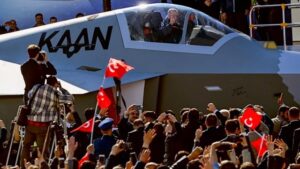
However, the direction is clear. Turkey sees the defense industry not only as a means of national security, but as a tool of international influence, political prestige and economic enhancement. KAAN may be a start, but the ambition is much bigger: a Turkey that arms the world – and is paid handsomely for it.