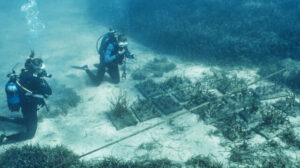
In an effort to reverse the increasing destruction of Posidonia seagrass meadows in Greece, the Archipelagos Institute has launched a project to plant underwater gardens.
According to the announcement, since 2018 Archipelagos has been developing and applying experimental and innovative underwater planting techniques, in collaboration with scientists from leading European universities.
For the planting process, Posidonia fragments uprooted by boat anchors are used — fragments that remain alive for a short period of time.
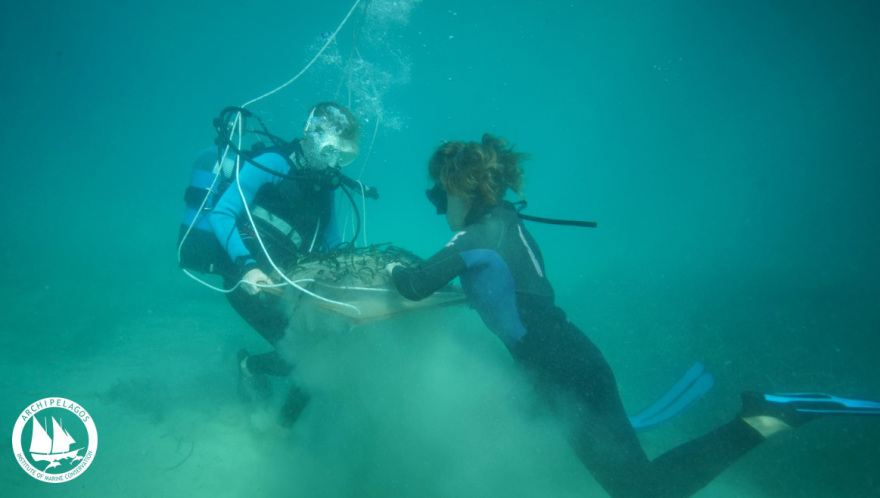
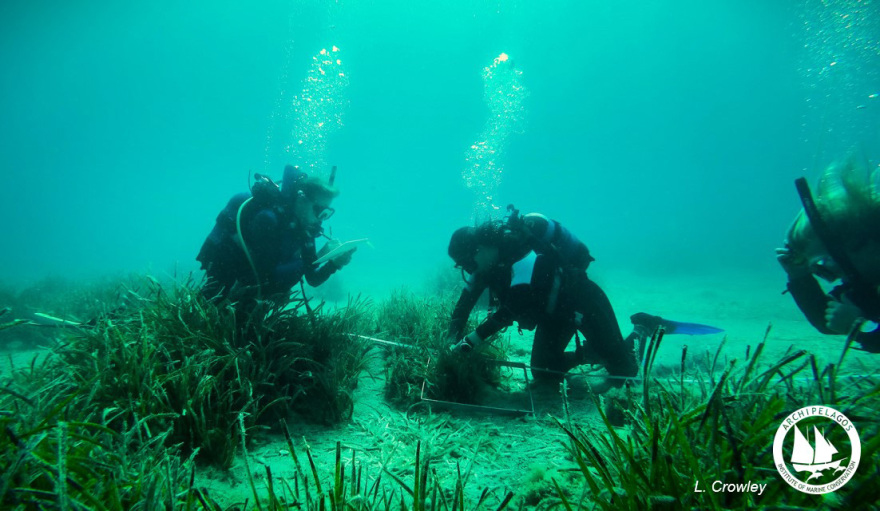
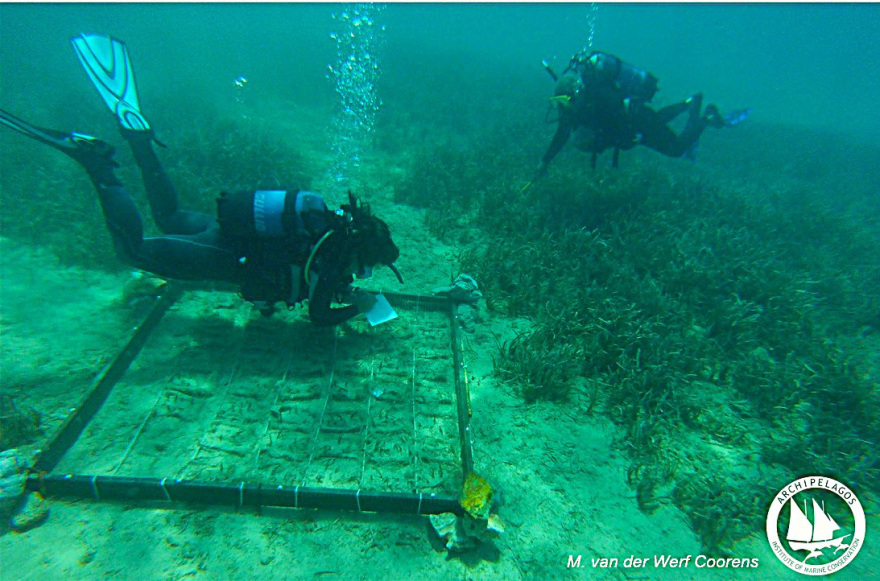
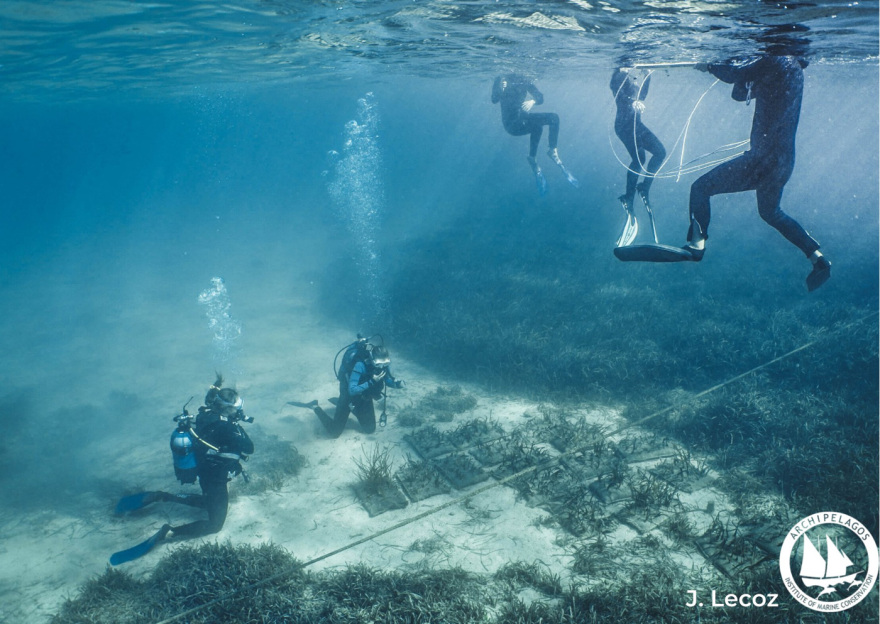
The Planting Process and Sustainability
Archipelagos emphasizes that the planting procedure is extremely demanding. In the early years of plant development, it requires continuous underwater care by specialized scientist-divers, almost on a weekly basis and throughout the year.
“After thoroughly studying the various planting techniques and the environmental conditions affecting them — and having published numerous scientific papers on the topic — the only certainty is that the successful growth of these underwater gardens demands tremendous perseverance and patience,” the Institute notes.
As for their sustainability, it depends on ocean currents, sediment quality, prevailing weather conditions during early growth, and the presence of certain herbivorous marine species in the area.
Posidonia meadows grow very slowly, at a rate of about 6 cm per year, making their restoration a long-term challenge, according to Archipelagos.
The Mediterranean’s Blue Forests
According to WWF, although Posidonia lives exclusively underwater, it is a true plant with roots, flowers, fruit, and long ribbon-like leaves. It first appeared 70–100 million years ago, when flowering land ancestors colonized the seafloor, creating a unique marine ecosystem. Posidonia meadows provide immeasurable environmental and human benefits, having withstood dramatic changes and extreme climate conditions since the age of dinosaurs.
Posidonia plants use their roots to absorb essential nutrients and can live for thousands of years. Despite their slow growth (about 1 cm per year), they are key habitats for many marine species. These meadows are not only feeding and breeding grounds for numerous marine organisms, but they also offer crucial ecosystem services:
- Carbon sequestration (acting as major carbon sinks)
- Coastal erosion prevention
- Biodiversity support
Their economic value per hectare of meadow exceeds that of coral reefs and the Amazon rainforest.
Ask me anything
Explore related questions