





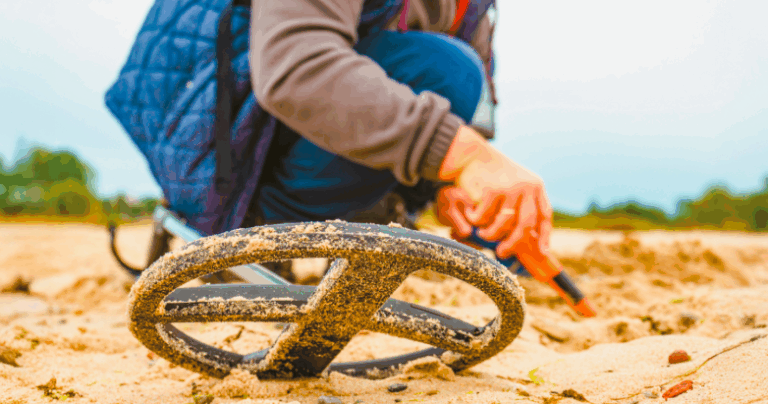
It all began in October 2023, with an anonymous tip to authorities. A man was behaving suspiciously in the mountainous area of Achaia. He wasn’t a tourist or hiker. According to the tip, the man held a modern metal detector and was actively searching — and digging.
He was violating archaeological sites and removing artifacts. Not to preserve them. To sell them.
The alert was deemed serious. Authorities moved quickly. Under a prosecutor’s order, his communications were monitored, and surveillance began.
A Lone “Hunter” Becomes the Key
What started as a routine investigation quickly unraveled into a massive puzzle: people from across Greece, strange coded phone conversations, secret meetings, and references to “machines” that could see “into the ground.”
At the center was a lone treasure hunter, a resident of an isolated mountain village, who frequently spoke with individuals from Epirus, Thessaly, and Aetolia-Acarnania. To the uninformed, their conversations sounded harmless. But for the initiated, they spoke of digging tools, detectors, and sites full of “cargo.”
This was just the beginning.
As surveillance widened, authorities gained insight into a parallel underground world — silent, well-organized, and equipped with high-tech gear. These groups weren’t just hobbyists. They carried out nighttime missions, often in protected archaeological sites, not just to search, but to extract and export ancient artifacts.

Over 110 recordings were collected, revealing an entirely different Greece — one where history is unearthed violently, sold in auction catalogs in New York and Munich.
Some calls discussed movements toward specific areas of Thessaly. Others sounded like military briefings — dates, coordinates, equipment, “cargo,” buyers.
One key suspect even coordinated operations from abroad, a dealer with international connections.
Two Criminal Networks – Paramilitary in Structure
Two main cells emerged — organized criminal groups with clear structure, defined roles, and contacts throughout Europe.
One boss controlled excavations; the other, exports. Artifacts found in Greek mountains were ending up — via middlemen — in foreign warehouses and showrooms.
This wasn’t the work of random thrill-seekers. These were skilled individuals, with planning, technology, and crucially, access — to sites, to information, to people who could cover their tracks.
Authorities haven’t publicly stated the number of defendants, but sources speak of dozens. Many have had their assets frozen, while international inquiries have expanded into foreign institutions suspected of trafficking Greek antiquities.
A Hidden Hierarchy
This was no loose network — it resembled a paramilitary organization: structured, disciplined, strategic.
From field diggers to invisible middlemen and final distributors, each step served one goal: profit through the looting of history.
At the base of the pyramid were skilled locals, moving quietly and strategically. Their gear wasn’t amateur:
- Advanced metal detectors
- Ground-penetrating scanners
- Precision digging tools
They waited for the right time — around the full moon for natural light, or during harvest/plowing seasons, when the soil is disturbed.
They never stayed long. A car would drop them off, leave to avoid suspicion, and return after the dig.
They focused on small, transportable items — mainly coins and metal artifacts. These were quickly passed to middlemen.
The Middlemen and the Buyers
The middleman was the expert: appraising the value of the artifacts, either by experience or referencing international auction catalogs. In many cases, he was also a digger, operating seamlessly within his local area.
If an item was valuable, he contacted a buyer — always using coded language or encrypted apps with photos.
If they struck a deal, payment was in cash, immediately. Otherwise, the object returned to circulation.
The Real Players
At the top were the financiers: collectors on the surface, but traders in reality. They focused on small, high-value items (especially coins) — easy to export and in high demand.
Once a stockpile was ready, they activated the export chain: cooperating with international truck drivers, who smuggled the goods in hidden compartments.
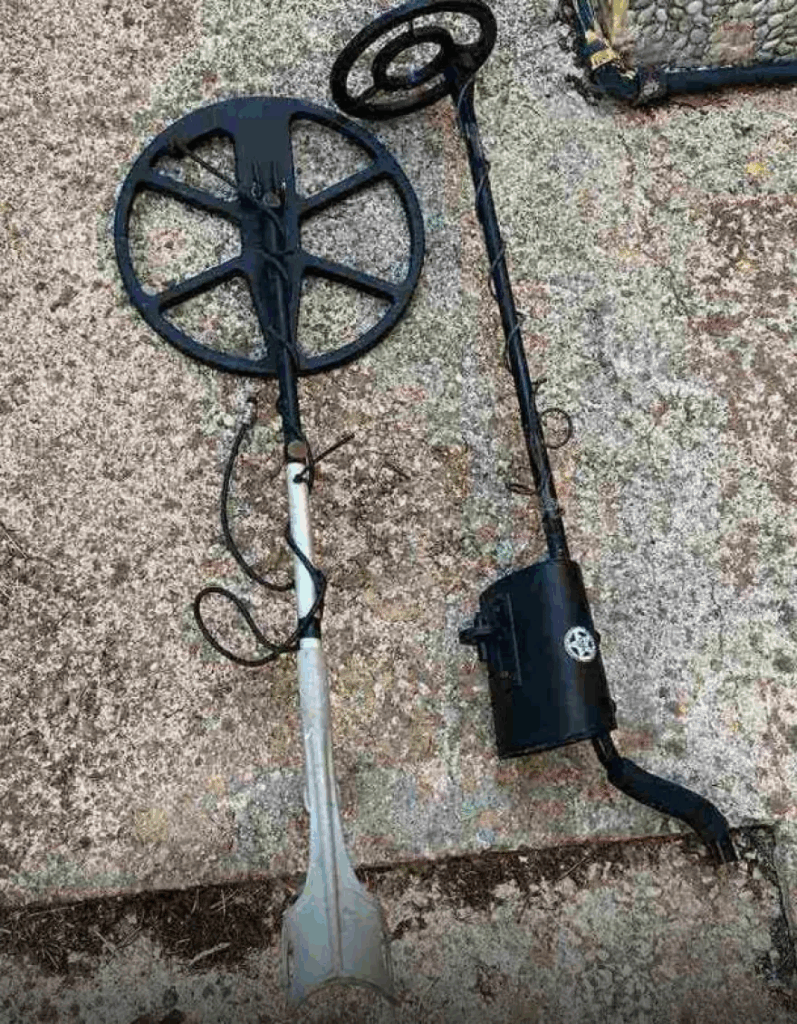
The financier would fly to Munich a day or two later, retrieve the cargo, and distribute it — to two German auction houses and specific Greek expatriates involved in sales.
One such contact had previously been arrested for antiquities trafficking in Greece, and now acted as a liaison at foreign auctions.
The financier’s stay in Germany lasted just two days — then back to Greece, to keep the cycle going.
Coded Language and Secret Apps
Their communications were in-person when possible. But when phones were used, they spoke in code:
- Gold items = “Yellows”
- Silver = “Whites”
- Bronze = “Blacks” or “Gyftoulia”
- Copper = “Greens” or “Reds”
Artifacts became:
- “Plugs,” “Nuts,” “Tsipouro,” “Fish,” “Yoghurts,” “Clover Balls”
An excavation? Just a “walk” or “asparagus hunt.”
A tetradrachm coin? A “four-cylinder.”
A low-value coin? A “puppy.”
Photos of finds were called “brochures.”
And the phrase “Let’s go see the girls”?
That meant: Trip to Germany.
This language was a cloak. After months of investigation, police cracked the code and revealed the full scale of the network.
From early 2023, the group had formed a hierarchical, transnational criminal organization — with strict loyalty to the goal: trafficking Greek antiquities abroad.
The Police Operation
Authorities identified all layers of the organization — from diggers to foreign buyers. They traced the movement of artifacts, from rural Greece to auction houses in the U.S. and Germany.
The multilevel operation included:
- Lifting communication privacy
- Surveillance with technical means
- Judicial assistance requests to the U.S.
- A European Investigation Order in Germany
- Opening bank accounts and mapping money flows
The Second Organization and the Role of Signal
While the first group operated with structure and hierarchy, a second, equally organized group was discovered — with a focus on exports and auction houses in Central Europe.
At its center was a man who bought, stored, and exported antiquities. He had:
- Direct access to auction platforms
- A partner living permanently in Munich, who gave him German SIM cards
- Almost exclusive contact via Signal, using self-deleting messages
Their online auction profiles were a front for illegal trafficking.
They used the same tactics:
- Changing phones regularly
- Code words
- Pre-agreed meeting points
The ringleader personally attended meetings — with no phone calls, to leave no trace.
Their field of activity included Macedonia and Thrace, with members acting as diggers and middlemen.
The Auctions
The coins passed through the head of the second group mostly ended up at Numisfitz Auction House, which — coincidentally or not — was also used by the first group.
On the day of the coordinated police raid, as Greek and German authorities simultaneously investigated suspects and auction houses in Thessaloniki and Munich, a message arrived that… (text cuts off).
Ask me anything
Explore related questions




