





In at least five areas of the country (Attica, Trikala, Epirus, and Laconia), adulterated fuels distributed by two groups that comprised the smuggling network dismantled by the Greek FBI were being delivered.
As announced, seven gas stations have been sealed, along with one that had already been closed from a previous inspection, while checks are ongoing for three more stations and three warehouses with illegal fuel tanks.
According to the Hellenic Police (ELAS), over 1,340,000 liters of gasoline and more than 212,000 liters of chemical solvents were illegally circulated in 2025 alone, with the total profit of the organization estimated at at least €3 million.
The First Group
According to ELAS, the network, led by a 39-year-old man, operated in two groups. The first subgroup, led by a 50-year-old deputy, handled the import and transport of large quantities of chemical solvents into Greece via tankers, which were used to adulterate fuels distributed in the Greek market.
The group was based in a fictitious transport company in Thessaloniki, while the solvents were imported from a supposedly legitimate supplier based in Bulgaria. They were then temporarily transferred—mostly at night—to underground tanks in a facility in the Trikala area, where a fuel station had previously operated.
The quantities were then collected by tankers managed by the 39-year-old head of the organization and delivered to underground fuel station tanks, where they were mixed with fuels.
Members of this group included:
- The 50-year-old, who managed the Trikala site, coordinated orders, transport, and receipt of shipments, and oversaw temporary storage in the underground tanks.
- A 47-year-old and a 54-year-old, responsible for temporarily storing the solvents with the deputy leader.
- A 47-year-old woman, managing the Bulgarian supplier company.
The Vehicles Identified by ELAS
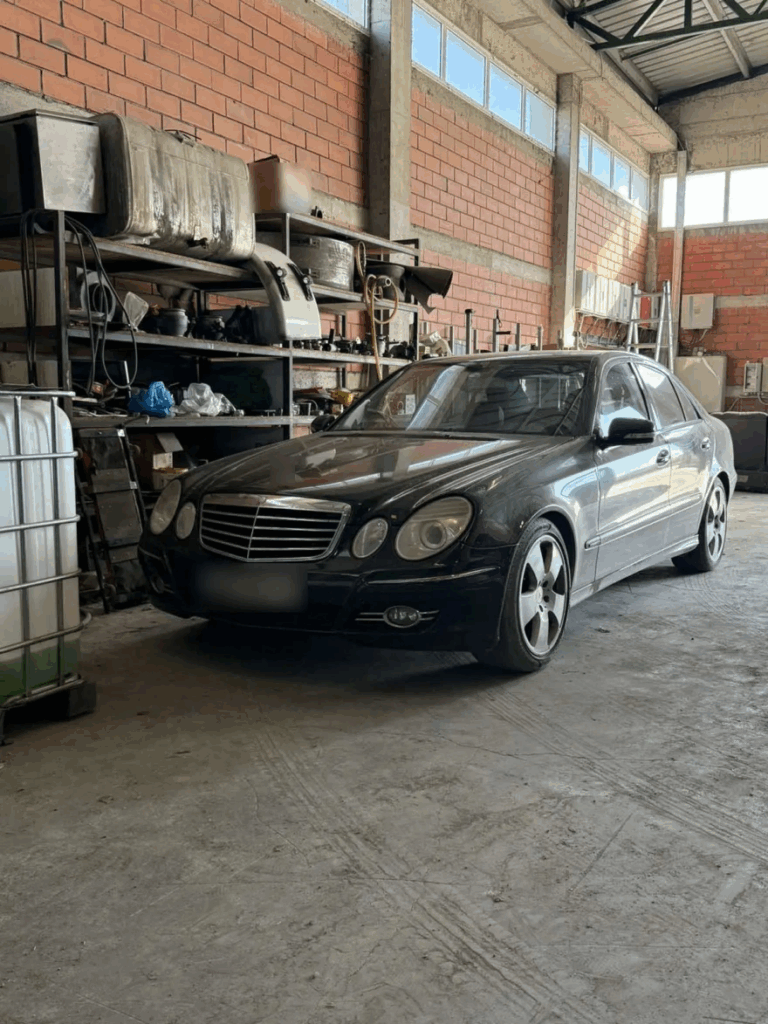
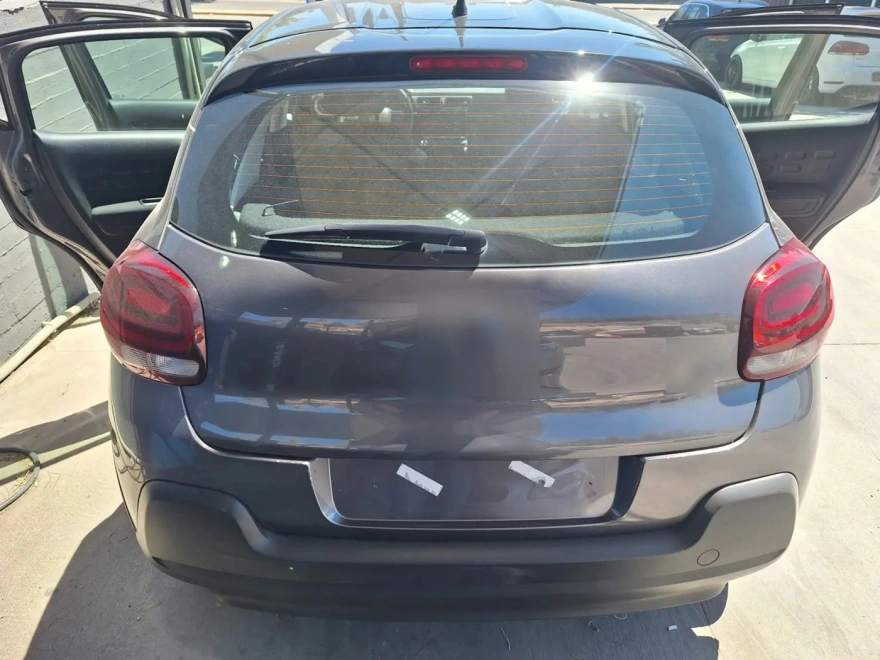
ELAS also documented the tankers and vehicles used in these operations.
The Second Group
The second subgroup handled the systematic supply and distribution of large quantities of unleaded gasoline within Greece, sourced from Romania and Bulgaria.
Their method relied on fake exports to Albania, using falsified customs documents and false declarations. Customs authorities in Romania, Bulgaria, and Greece were told that shipments were destined for an Albanian company, but in reality, the gasoline remained in Greece for illegal distribution while the exports were officially reported as completed.
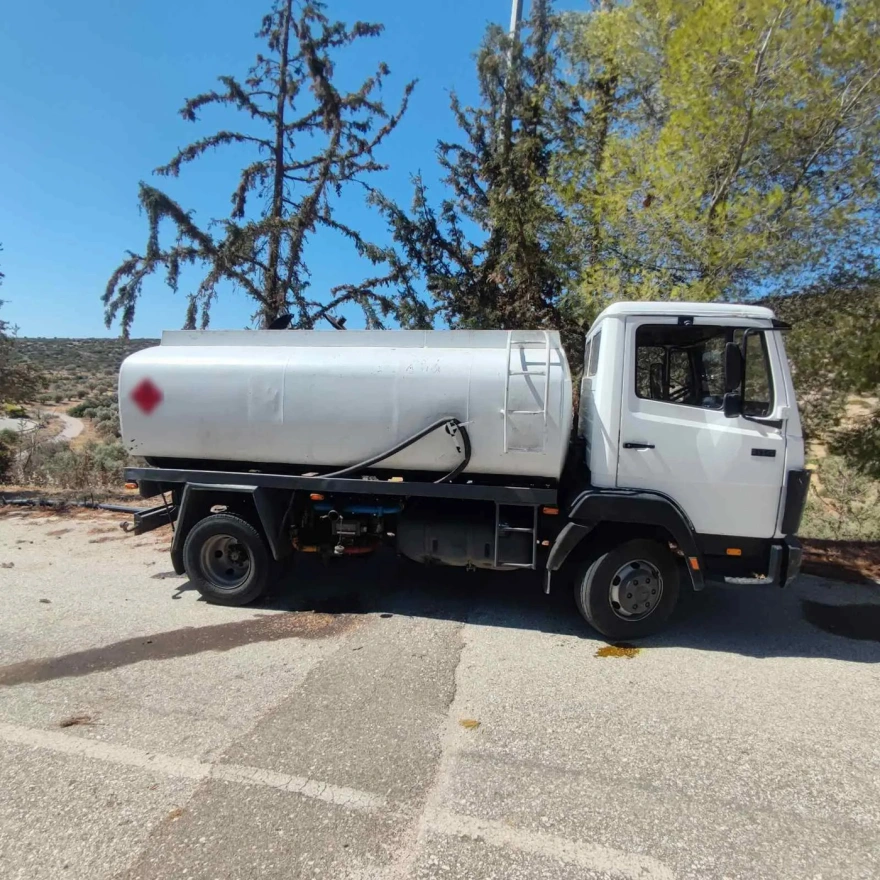
Members of this group, under the leader’s instructions, also sourced quantities of petroleum oils from Italy, which were of a different tax classification than declared. These products, exempt from excise duties, were falsely reported as intended for a Greek company in Thessaloniki, a non-existent legal entity, to cover pending export declarations of gasoline to Albania.
Thus, during customs checks at the EU exit points, tankers appeared to carry Italian oil instead of gasoline, creating the impression that the fuel had been exported, while the real gasoline was already circulating in Greece, avoiding taxes and customs duties.
This network achieved dual benefits: avoiding legal tax obligations and creating the appearance of legitimacy through deceptive documentation.
Undistributed gasoline was temporarily stored in facilities in Thessaloniki, rented by the subgroup leader, and later transferred using fake documentation to locations in Western Attica, where it was supplied to gas stations connected to the organization’s central core.
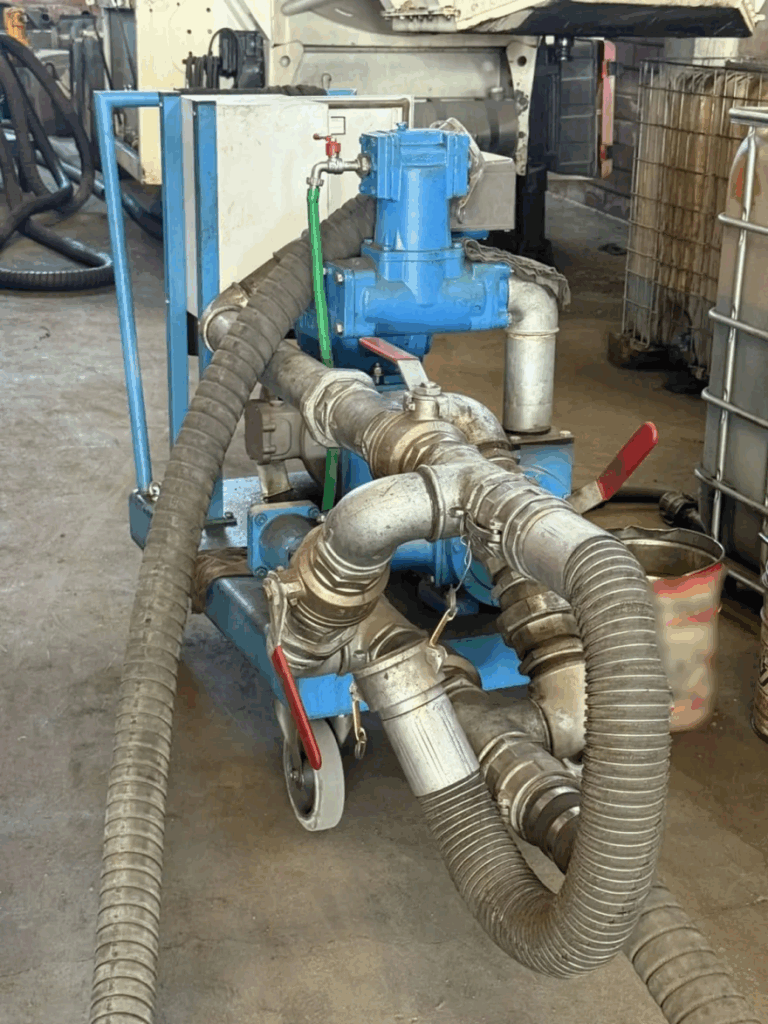
To conceal their actions, the second subgroup:
- Supplied drivers with fake invoices and delivery notes to mislead inspectors.
- Installed illegal software in fuel pumps and flow systems, causing shortfalls of up to 25%, charging customers for fuel they did not receive.
- Used software to manipulate data, hide real gasoline quantities, and avoid reporting to the Independent Authority for Public Revenue (AADE), producing false sales reports to conceal significant transactions.
The network also distributed marine fuel, supplying customers’ homes in Attica without invoices at low prices. In one month, they received 29 orders for this product.
ELAS Announcements
Statements from the Director of the Directorate for Combating Organized Crime, Brigadier General Fotios Ntouitsis:
“This case represents a major blow to networks trafficking illicit and adulterated fuels. It directly impacts both the national economy and consumers, who suffer financial losses and risk to their vehicles and daily transport.
After months of thorough investigation, in cooperation with AADE and the Coordinating Operations Center, we dismantled an international criminal organization operating in Attica, Thessaloniki, Trikala, Laconia, Arta, and Volos, with links to Romania, Poland, Bulgaria, and Albania.
The network operated through two distinct subgroups:
- One handled the systematic import of chemical solvents for fuel adulteration.
- The other staged fake gasoline exports to avoid taxes and customs duties.
They also used illegal software in fuel pumps and monitoring systems, causing shortfalls to consumers and financial losses to the State.
In 2025 alone, over 1,340,000 liters of gasoline and 212,000 liters of chemical solvents were illegally distributed, generating at least €3 million in profit. Tax and customs losses exceeded €1.5 million.
The adulterated fuels were sold in Attica (Ano Liosia, Kamatero, Agioi Anargyroi, Palaio Faliro), Trikala, Epirus, and Laconia.
In total, 22 members were arrested, including the leaders of both subgroups. Large amounts of cash, vehicles, fuel, and special software used for pump and monitoring system manipulation were seized.
Our message is clear: the Directorate for Combating Organized Crime will continue to dismantle criminal organizations, protecting citizens and the proper functioning of the market and state.
Over 30,000 vehicles were estimated to have been refueled with adulterated fuel in this period, based on average tank capacity.”
Statements from the Hellenic Police Spokesperson, Const. B’ Konstantia Dimoglidou:
“The coordinated operation took place on 2-3 September 2025 across multiple regions. 22 members were arrested, with eight more charged. They face charges including organized crime, smuggling, forgery, fraud, money laundering, weapons violations, customs code breaches, and tax procedure code violations.
The network operated hierarchically, with two main subgroups coordinating their actions. The first subgroup handled chemical solvent imports and storage in Trikala; the second handled fuel imports, fake exports, and tax evasion.
They installed illegal software (‘Solitaire’) to manipulate fuel pumps, reducing deliveries by 25% while charging full price.
The organization also sold marine fuel without invoices to customers’ homes in Attica. Total tax evasion from gasoline and heating fuel exceeded €1.56 million, with profits of at least €3 million.
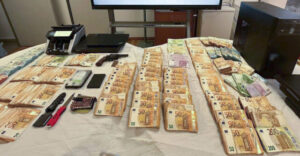
Confiscated items include:
- 154,037 liters of marine fuel
- 88,760 liters of oil
- 3,500 liters of diesel
- 4,480 liters of unknown fuel
- €800,000 in cash
- Illegal software in fuel stations
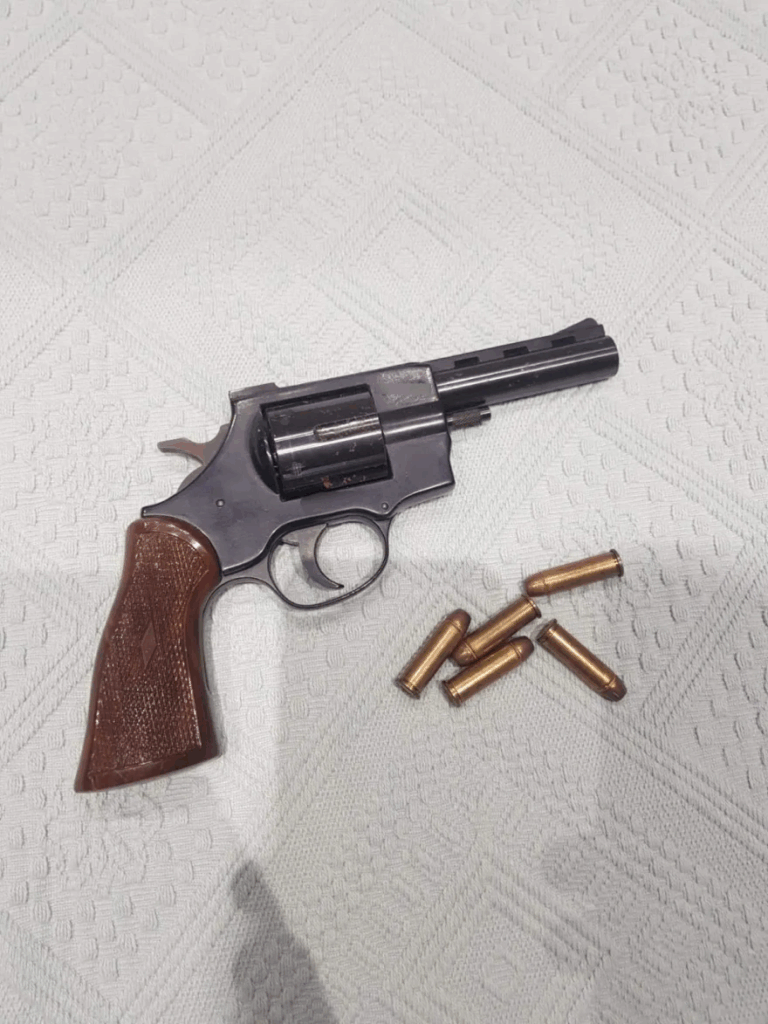
- 10 pallet tanks, firearms, vehicles, trucks, documents, and phones
Seven gas stations were sealed, with ongoing inspections for three more stations and three warehouses.
The arrested individuals were referred to prosecution, and cooperation with authorities in Romania, Poland, Bulgaria, and Albania continues.”
Statements from AADE Director-General Dimitrios Bourikos:
“This case demonstrates the coordinated effort of control authorities to strike criminal networks in fuel trafficking. Using advanced digital analysis, they mapped illegal interventions in fuel systems. Operations focused on fuel stations and illegal warehouses along routes from other countries, intercepting diverted shipments.”
Ask me anything
Explore related questions




