

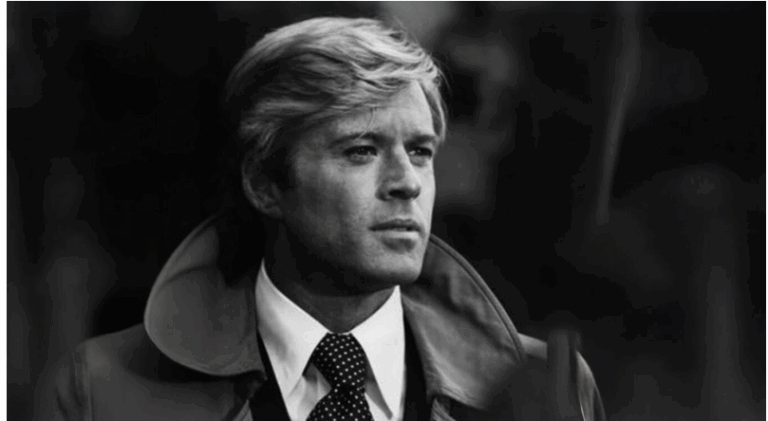
The legend of Hollywood, Robert Redford, took his last breath at the age of 89. According to the New York Times, the actor died at his home in Utah.
According to a statement from his representative, Robert Redford took his last breath in a place he loved, surrounded by people he loved. “He will be deeply missed,” the statement said.
Robert Redford had won an Oscar as Best Director for the film Ordinary People and a second for his overall contribution to cinema. He had four children with Lola Van Wagenen.
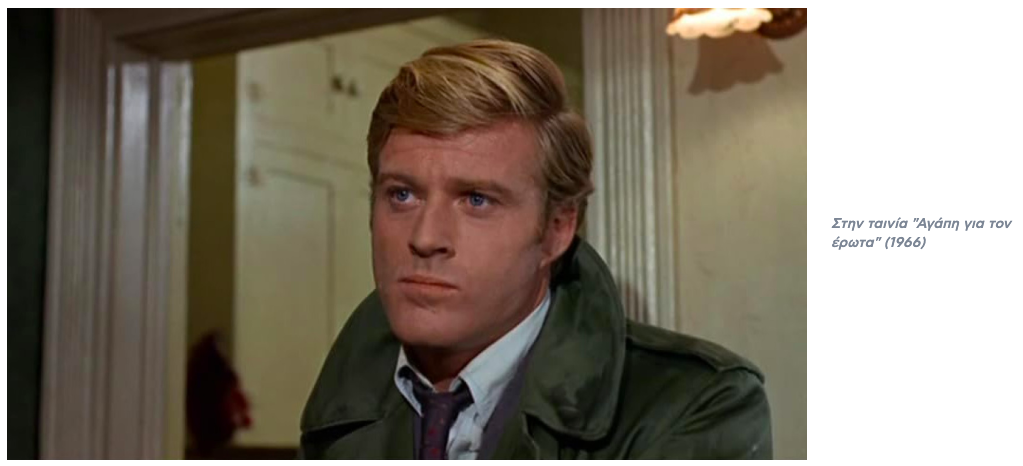
His first role was in the play Tall Story in 1958, staged on Broadway. This was followed by small parts in the television series The Naked City and Route 66. His debut starring role in a television series came in 1960 in Maverick. Other TV series and theater roles followed. The most important theatrical production he took part in was Barefoot in the Park, with Elizabeth Ashley as co-star. The play was staged on Broadway in 1963 and, in 1967, was adapted into a film. In the same year, he appeared in the TV series Alcoa Premiere, a performance for which he won the Emmy Award for Best Supporting Actor.
Cinema
The first time he appeared in a film was in 1962, in the independent War Hunt, which was shot in just two weeks. In 1965, he acted in Situation Hopeless… But Not Serious, considered his first official film. That same year, he co-starred with Natalie Wood and Christopher Plummer in Inside Daisy Clover, directed by Robert Mulligan, which was nominated for two Oscars. Redford won his first Golden Globe Award as “Most Promising Newcomer.”
In 1966, he was offered the role of sheriff in Arthur Penn’s The Chase, but he chose instead to play the convict, while the sheriff was played by Marlon Brando. He also worked again with Natalie Wood, this time in Sidney Pollack’s This Property Is Condemned, based on the play by Tennessee Williams.
In 1967, he starred with Jane Fonda in the film adaptation of Barefoot in the Park. In 1968, he signed a deal with Paramount to film a western, but he later backed out, which led to legal proceedings and left him without work for a period. In 1969, he starred alongside Paul Newman in George Roy Hill’s western Butch Cassidy and the Sundance Kid.
Redford managed to beat out other contenders such as Steve McQueen, Marlon Brando, and Warren Beatty for the second lead role. The film was a huge success, winning four Oscars. However, he turned down leading roles in Who’s Afraid of Virginia Woolf? and Mike Nichols’s The Graduate, fearing he might be typecast as the “blond male stereotype.” He then starred in moderately received films like Downhill Racer (1969), directed by Michael Ritchie, but nevertheless won BAFTA awards for Best Actor for both Downhill Racer and Tell Them Willie Boy Is Here.
He reunited with Sidney Pollack in 1972 for the western Jeremiah Johnson and in 1973 for the romantic drama The Way We Were with Barbra Streisand. In that film, considered one of the greatest of its kind, he played one of his most memorable roles, Hubbell. Streisand’s song The Way We Were won the Oscar for Best Original Song. Between these two Pollack films, Redford starred in Michael Ritchie’s The Candidate (1972). Another film with only moderate success, The Hot Rock, followed. In his next collaboration with George Roy Hill and Paul Newman, The Sting (1973), Redford earned an Academy Award nomination for Best Actor.
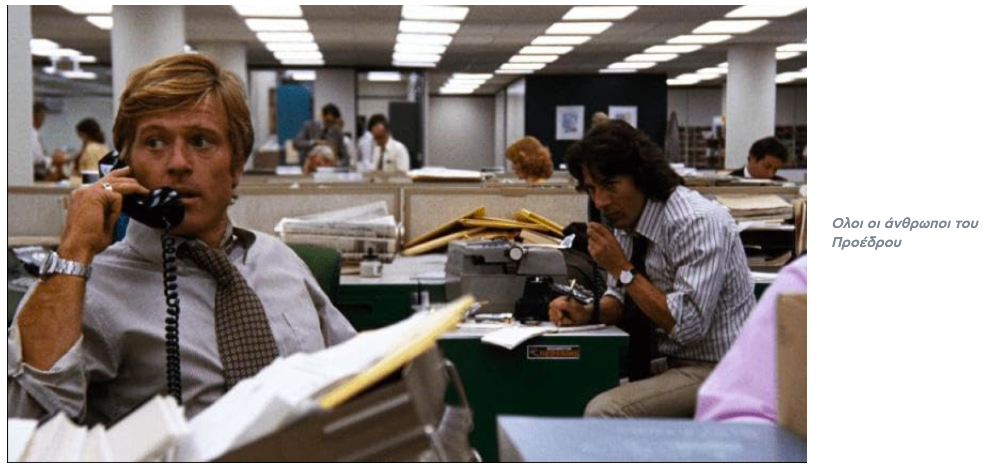
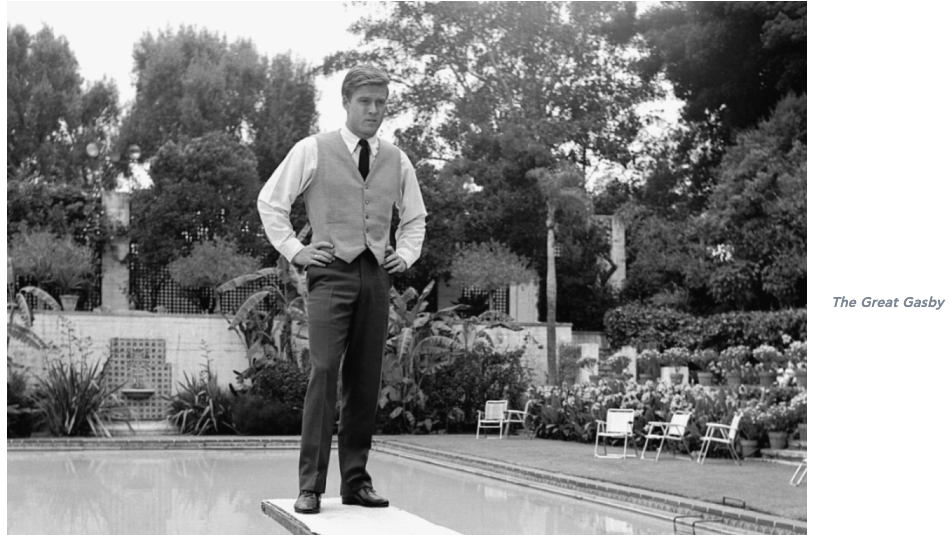
In 1974 came another major success, The Great Gatsby, based on F. Scott Fitzgerald’s novel. The project had a long and troubled history before filming began, with the role initially intended for Jack Nicholson. Redford eventually won the part, though director Jack Clayton pressured him to change his personal style and even dye his hair black, which he stubbornly refused. In 1975, he again teamed with Pollack for the political thriller Three Days of the Condor. In 1976, he played journalist Bob Woodward in All the President’s Men, about the Watergate scandal, which won four Oscars. Two more films followed, both produced by Pollack and co-starring Jane Fonda: A Bridge Too Far (1977) and The Electric Horseman (1979).
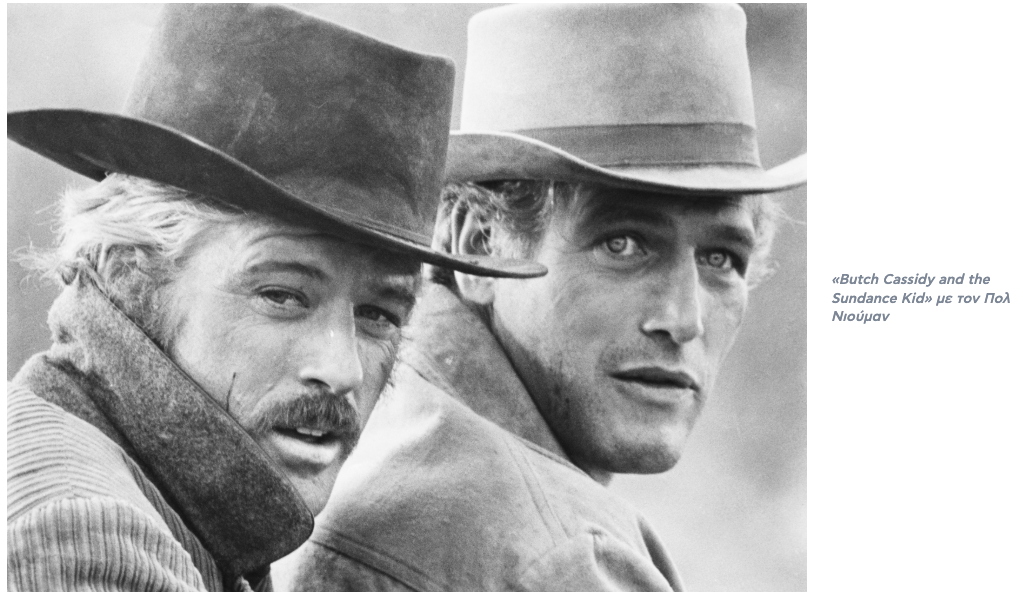
Oscar for Ordinary People
In 1980, Redford directed his first film, Ordinary People, starring Donald Sutherland. The film won four Oscars, including Best Director for Redford. Critics praised him for drawing powerful performances from Mary Tyler Moore, Sutherland, and Timothy Hutton, who won Best Supporting Actor. The 1970s ended with Brubaker (1980).
The 1980s were a less active period for Redford, with only a handful of films. These included The Natural (1984), in which he played a baseball champion; Out of Africa (1985), which won seven Oscars but which Redford later called the worst film of his career; the comedy Legal Eagles (1986), co-starring Debra Winger and Daryl Hannah; and Havana (1990). In 1988, he directed The Milagro Beanfield War.
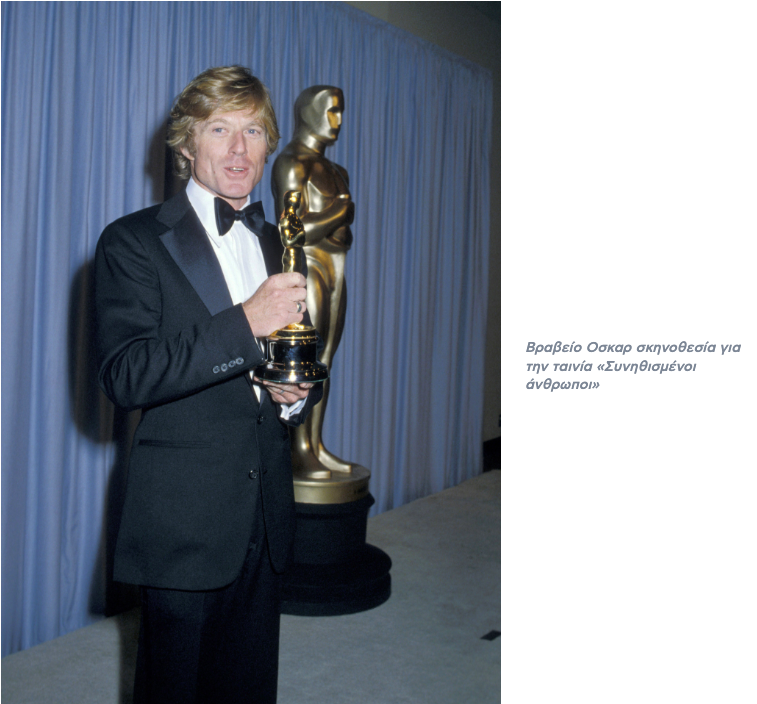
In 1992, he co-starred with Sidney Poitier in the comedy Sneakers and directed the drama A River Runs Through It, starring Brad Pitt. The film earned him a Golden Globe nomination for Best Director. In 1993, he starred in Adrian Lyne’s Indecent Proposal with Woody Harrelson and Demi Moore. His portrayal of an unscrupulous millionaire earned him a Razzie nomination for Worst Actor.
In 1994, he directed Quiz Show, which was nominated for two Oscars, including Best Director and Best Picture. In 1996, he co-starred with Michelle Pfeiffer in Up Close & Personal. In 1998, he both directed and starred in The Horse Whisperer, featuring a young Scarlett Johansson. The film was a commercial success and earned mostly positive reviews, as well as a Golden Globe nomination for Best Director. In 2000, he directed The Legend of Bagger Vance, starring Will Smith, Matt Damon, and Charlize Theron.
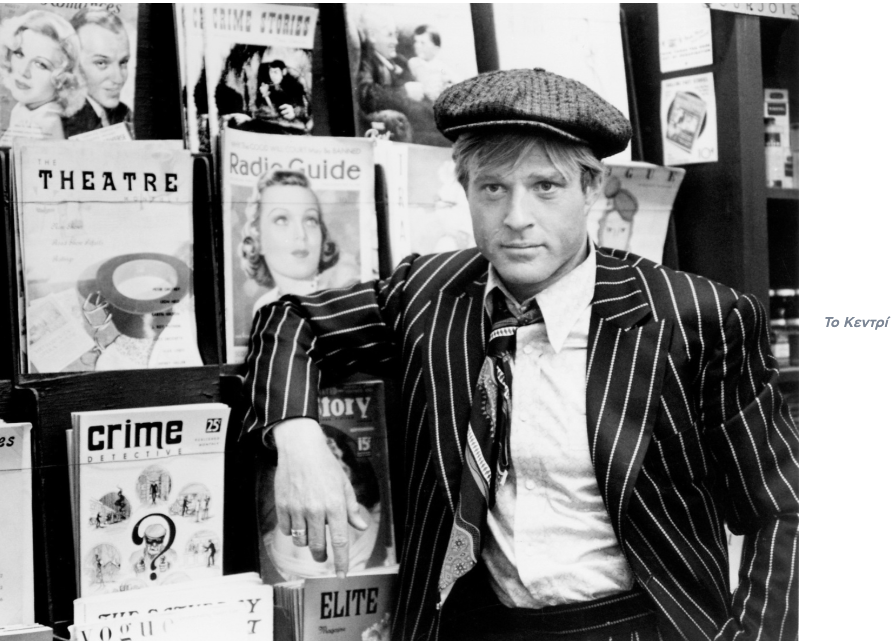
In 2001, he co-starred with Brad Pitt in Tony Scott’s Spy Game. In 2002, he received an honorary Oscar for his lifetime achievement in cinema. He followed with The Clearing (2004) with Willem Dafoe and Helen Mirren, and An Unfinished Life (2005) with Jennifer Lopez and Morgan Freeman. In 2007, he directed Lions for Lambs, co-starring with Meryl Streep and Tom Cruise.
In 2011, he directed The Conspirator. In 2012, he collaborated with his son on the documentary Watershed, about the overuse and decline of the Colorado River, the main water source for the western United States. That same year, he directed and starred in The Company You Keep, alongside Julie Christie and Susan Sarandon.
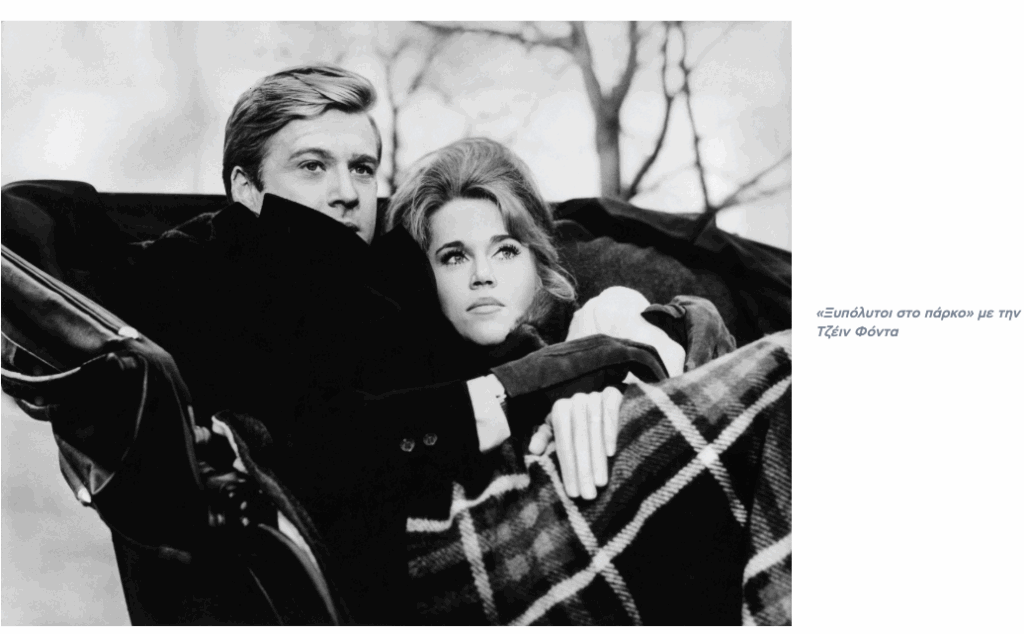
In 2013, he starred in J.C. Chandor’s All Is Lost, which screened at the Cannes Film Festival and received a standing ovation.
Ask me anything
Explore related questions