





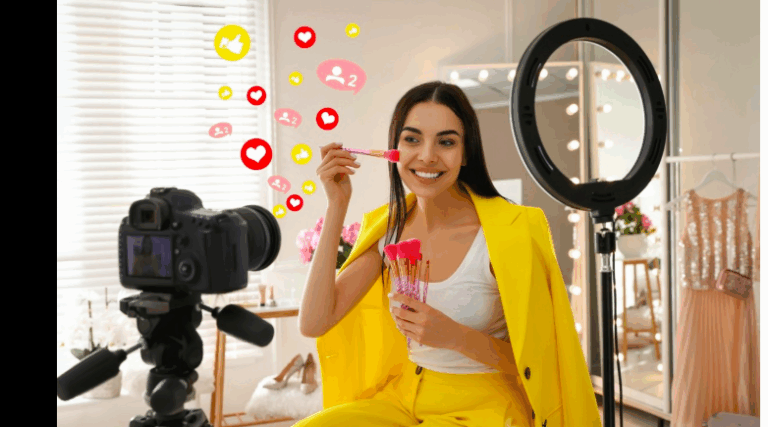
“Who has time to go to the doctor when they’re running every day to work, to the office, to their obligations?” This sentence is often heard in TikTok and Instagram videos promoting wellness tools. In them, content creators promise us that by spending very little of our money – less, many argue, than a visit to a specialist – we can get better health instantly.
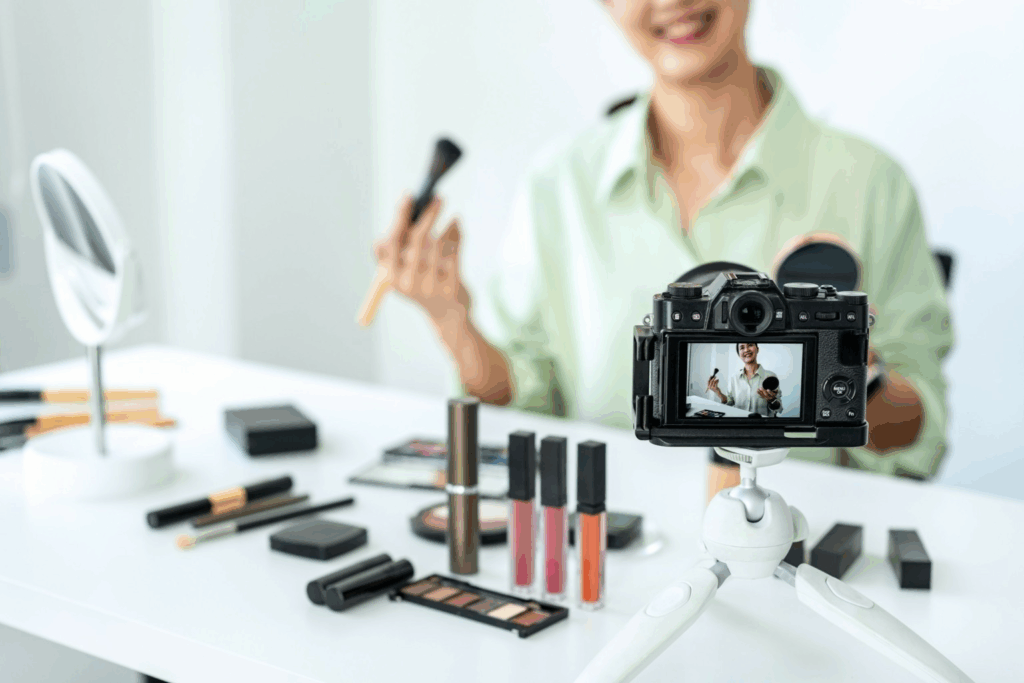
Just pick what ails you. Bad mood? Puffy face? Problems with your immune system or your stomach? In the massive wellness marketplace that Instagram Reels, TikTok videos, and influencer livestreams have become, there is always someone ready to sell us a remedy—and always someone ready to buy it. Specifically, according to the nonprofit organization Global Wellness Institute, people now spend over $6.3 trillion annually on wellness products, most of which they have seen advertised on social media.
“And what’s wrong with wellness becoming a big business?” one might ask. The problem arises when the claims made by these influencers and their videos are based merely on rumors and assertions rather than scientific evidence. This often creates enormous demand for wellness products that promise miracles and, at best, simply do not work—the worst-case scenario being harmful side effects.
Powders, Pills, and Detox Dreams
Few areas of health excite influencers as much as the human gut. Whether it’s colon cleanses, probiotic powders, hormone-balancing teas, or brightly labeled supplements promising “immune system supercharging,” the gut has become the center of wellness culture. Apparently, any discomfort can be alleviated with the right detox kit or microbiome restoration product.
Science, however, paints a less glamorous picture. Some supplements—vitamin D in cases of deficiency, probiotics under specific conditions—have documented benefits. But this does not mean that the majority of gut-related products sold online have rigorous clinical support. Some are harmless placebos, while others can interact with prescription medications or cause real side effects. These warnings are rarely included in influencer content, where disclaimers are often buried under hashtags and discount codes.
Masks, Creams, and the Magic of Nature
What you see on your screen are creams for glowing skin, “snail slime,” jade facial rollers, eye patches promising to erase puffiness overnight, and herbal face masks made from “ancient traditional” ingredients. Dermatologists, however, tend to repeat a simpler, far less glamorous truth: sunscreen, retinoids, and moisturizers remain the best solutions for healthy skin. Yet despite these basic principles, platforms like TikTok have seen the rise of a growing anti-sunscreen movement, where influencers promote “natural alternatives.” The scientific community has categorically rejected such advice, warning that it not only misleads but also carries a real risk of melanoma.
Mood-Boosting Treatments
Influencers are not only eager to care for our skin—they also aim to improve our mood. TikTok is filled with five-minute remedies for stress, sadness, or exhaustion. Herbs, crystal rituals, pastel-colored teas, and relaxing breathing exercises are promoted as if mental health and happiness were lifestyle accessories that can be managed with the right product or morning routine.
The problem is that serious mental health issues cannot be addressed easily with a simple trick. A recent study found that more than half of the top 100 TikToks tagged #mentalhealthtips contained misleading information. While some suggestions were harmless—keeping a journal, meditation, short walks—others misrepresented therapy, downplayed depression, or promised miraculous cures with little scientific basis. In contrast, evidence-based tools, such as structured therapy apps or guided cognitive behavioral therapy, rarely become trends.
The Market for Eternal Youth
From collagen chewing gums promising youthful skin to serums that claim to reverse hair thinning, social media is flooded with products claiming to slow or even reverse aging. Before-and-after photos fill feeds—though anyone familiar with good lighting and filters might suspect that technology contributes as much as the product itself—along with “real” testimonials and flawless faces showing results akin to those achieved with Botox or surgery. While there is some evidence that certain collagen supplements can improve skin elasticity or hydration, results tend to be modest, require consistency, and fall far short of the dramatic transformations showcased online. Hair regrowth serums, meanwhile, often face a stubborn obstacle: genetics. There is no miracle cure for hereditary hair loss, although marketing rarely acknowledges this. The result is a booming anti-aging industry that thrives on promises often impossible to keep.
Sleep and Fitness
Influencers have conquered sleep, fitness, and even wellness accessories. Feeds are filled with blue-light-blocking glasses, CBD oils, and melatonin gummies. Some of these products provide minor benefits. Many do no better than traditional sleep practices, such as going to bed at the same time each night and reducing screen use before sleep. But these strategies do not generate recurring revenue, which may explain their absence from the “For You” page.
Fitness advice is equally abundant. Exercise bands, quick workouts, posture correctors—most are marketed as shortcuts to a body transformation. While a consistent, evidence-based exercise routine improves health, influencer tips often promise rapid results that rarely last. Then there is wellness tourism: luxury spas, IV drip bars, and “longevity” vacations designed to restore balance. These experiences may offer temporary relaxation but are largely accessible only to the wealthy, reinforcing the reality that in the wellness economy, health is often presented as a luxury commodity.
The Wellness Business
The wellness economy is carefully segmented. According to the Global Wellness Institute, it spans eleven sectors, including nutrition, physical activity, personal care, mental wellness, spas, tourism, and even real estate marketed as “healthy living environments.” Almost all sectors are growing, with some, like wellness real estate, booming. Social media functions both as a showcase and a salesperson, blending marketing with lifestyle content so seamlessly that the market appears as self-care. With a projected annual growth rate of 7.3% through 2028, wellness is not just an industry but an empire. And this empire thrives not by selling products that work, but by selling products people wish would work.
None of this, however, suggests that wellness is inherently bad. Exercise, balanced nutrition, stress management, and even some supplements can genuinely improve health. The problem lies in the blurry line between science and marketing. Our advice: the best defense against wellness excess is not cynicism but skepticism. Before believing a miraculous claim, check the credentials of the person making it. Look for evidence evaluated by experts. Ask whether a routine is sustainable—does caring for your skin really require twelve different serums every morning? And of course, when facing real health issues, consult professionals trained in medicine, not hashtags.
Ask me anything
Explore related questions




