





On September 26, 1944, about 81 years ago, the so-called Caserta Agreement was signed. It took its name from the Italian city because the relevant meetings were held in its palace, where the Allied Headquarters were based.
Although the Caserta Agreement was signed by all participants at the time, it was later regarded by the Left as a major mistake. Even a segment of the Right had objections. Unfortunately, only a few days later (October 1944) most of Greece was liberated from German occupation, yet the December events (Dekemvriana) followed, and eventually the Civil War, with the Agreement of Varkiza as an intermediate landmark. Today, we will examine whether the Caserta Agreement was indeed lopsided against the Left and whether its signing played a role in the tragic events that ensued.
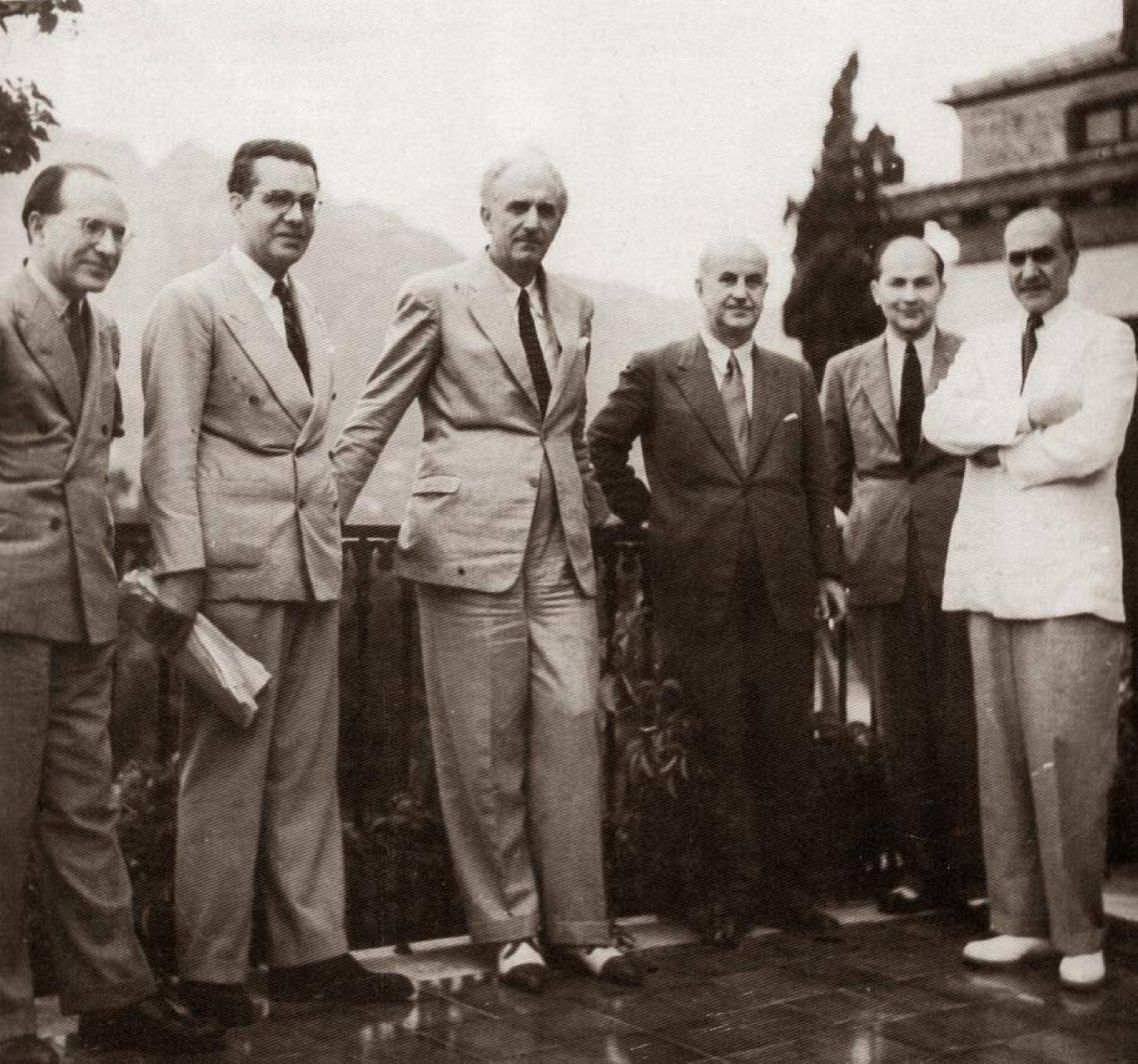
From Lebanon to Caserta
On April 14, 1944, one of the most shocking and tragic events of modern Greek history occurred: the assassination of Colonel Dimitrios Psarros, leader of the resistance organization EKKA, also known as the “5/42 Regiment,” by ELAS major Efthymios Zoulas with a burst of automatic fire from behind. Psarros was first insulted and assaulted, and on his grave was written: “Colonel Psarros, traitor to the fatherland.” Georgios Siantos had ordered the dissolution of the 5/42 Regiment but in no way Psarros’ execution. According to Grigorios Daphnes, the moral instigator of the murder was Aris Velouchiotis. However, EAM officials later tried to portray Zoulas as a secret agent of the British Intelligence Service. The murder of Psarros, about which we wrote extensively on 02/05/2020, caused nationwide grief.
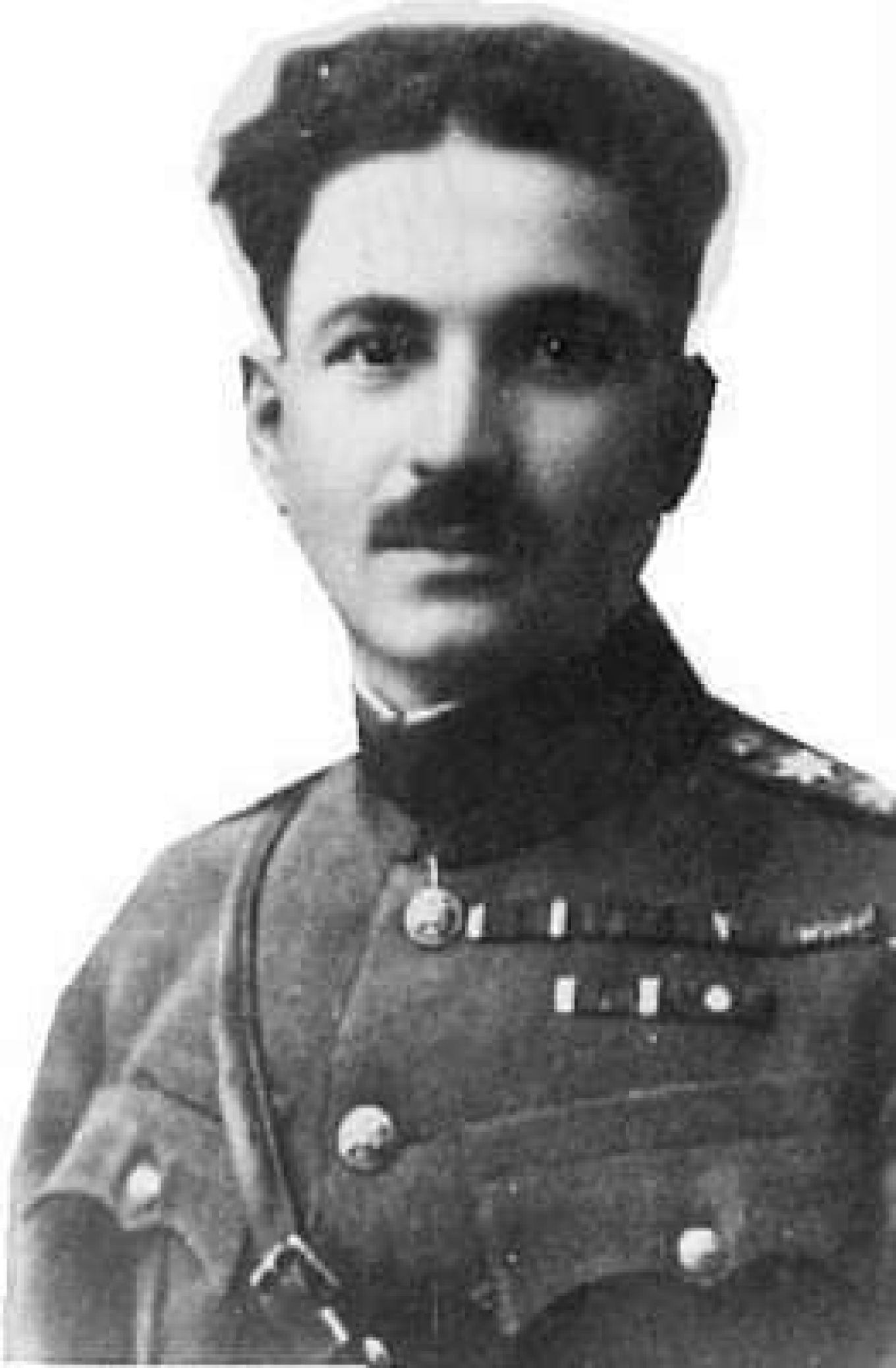
Psarros’ comrades Sarafis and Bakirtzis, as well as members of the PEEA (Political Committee of National Liberation) – especially Svolos, Tsirimokos, and Siantos – felt deep sorrow and indignation. Solon Grigoriadis writes that Psarros’ assassination “terrified” all EAM officials, as PEEA members were preparing to travel to Cairo to participate in a Government of National Unity. The fact that neither Zoulas nor anyone else was punished for Psarros’ murder may, according to Grigoriadis, indicate that Zoulas acted on the orders of powerful KKE figures or even its entire leadership, since the party wanted to rid itself of the troublesome colonel. What is certain is that Psarros’ murder and Zoulas’ impunity had catastrophic consequences for the Left.
The Lebanon Conference
Amid this heavy atmosphere for EAM–ELAS, the Lebanon Conference convened on May 17, 1944. Before this, the British informed then-Prime Minister Sophoklis Venizelos that after the suppression of the military mutiny in the Middle East, his mission was over and he had to resign. The real reason was that Venizelos had gradually distanced himself from the British and moved closer to the Americans. The British had already chosen his successor: Georgios Papandreou.
Papandreou, who had been jailed by the Italians in March 1942 for three months due to his anti-occupation activity, held the KKE responsible for the internal fighting in the mountains and had developed close ties with the British. Known for his oratorical skills, he impressed them with memoranda, leading the Foreign Office to select him as head of the new government. On April 26, 1944, he was sworn in as Prime Minister and Foreign Minister.
Twenty-four representatives of different parties and resistance organizations, including seven from EAM–ELAS, arrived in Cairo. Along with Papandreou, they participated in the Lebanon Conference, which began on May 17 at the “Bois de Boulogne” hotel outside Beirut. The meeting, organized by the British, lasted four days. EAM and the KKE were in a very difficult position because of Psarros’ assassination, the Middle East mutiny, ELAS’ violent actions and terror in Greece, and the attack against EDES.
Papandreou opened the attacks against the Left:
“Today, the condition of our homeland is hell. The Germans slaughter. The Security Battalions slaughter. And the partisans slaughter, too. They kill and they burn. The responsibility of EAM is that it did not limit itself to the liberation struggle but wanted to prepare its own military confrontation. For this, it sought to monopolize the National Struggle. It does not allow anyone else to go up into the mountains and fight the occupier, preventing Greeks from fulfilling their patriotic duty under penalty of death.”
General Sarafis responded:
“When you were politicking and doing nothing, we fought and created Free Greece. That is how we built our strength.”
The clashes continued and peaked when Psarros’ assassination was raised.
According to Georgios Roussos, the EAM–ELAS–KKE representatives now had two options: either leave the conference or make concessions. They chose the latter. They agreed to condemn the ED mutiny in the Middle East, fully submit EAM to the government, accept that the Vice President not be from EAM, and take only 25% of ministries instead of the 50% they demanded. They even accepted that the Interior Minister and Deputy Minister of Military Affairs not be pro-Left. Instead, they received other, lesser ministries.
Some on the Left reacted, arguing that their delegates were deceived by Papandreou. A week later, the communists backtracked and submitted new demands, which were rejected. Eventually, on September 2, 1944 – three and a half months later – the EAM ministers were sworn in: Alexandros Svolos (Finance), Ilias Tsirimokos (National Economy), Nikos Askoutsis (Public Works), Ioannis Zevgos (Agriculture), Miltiadis Porfyrogenis (Labor), and Angelos Angelopoulos (Deputy Minister of Finance). Zevgos and Porfyrogenis belonged to the KKE.
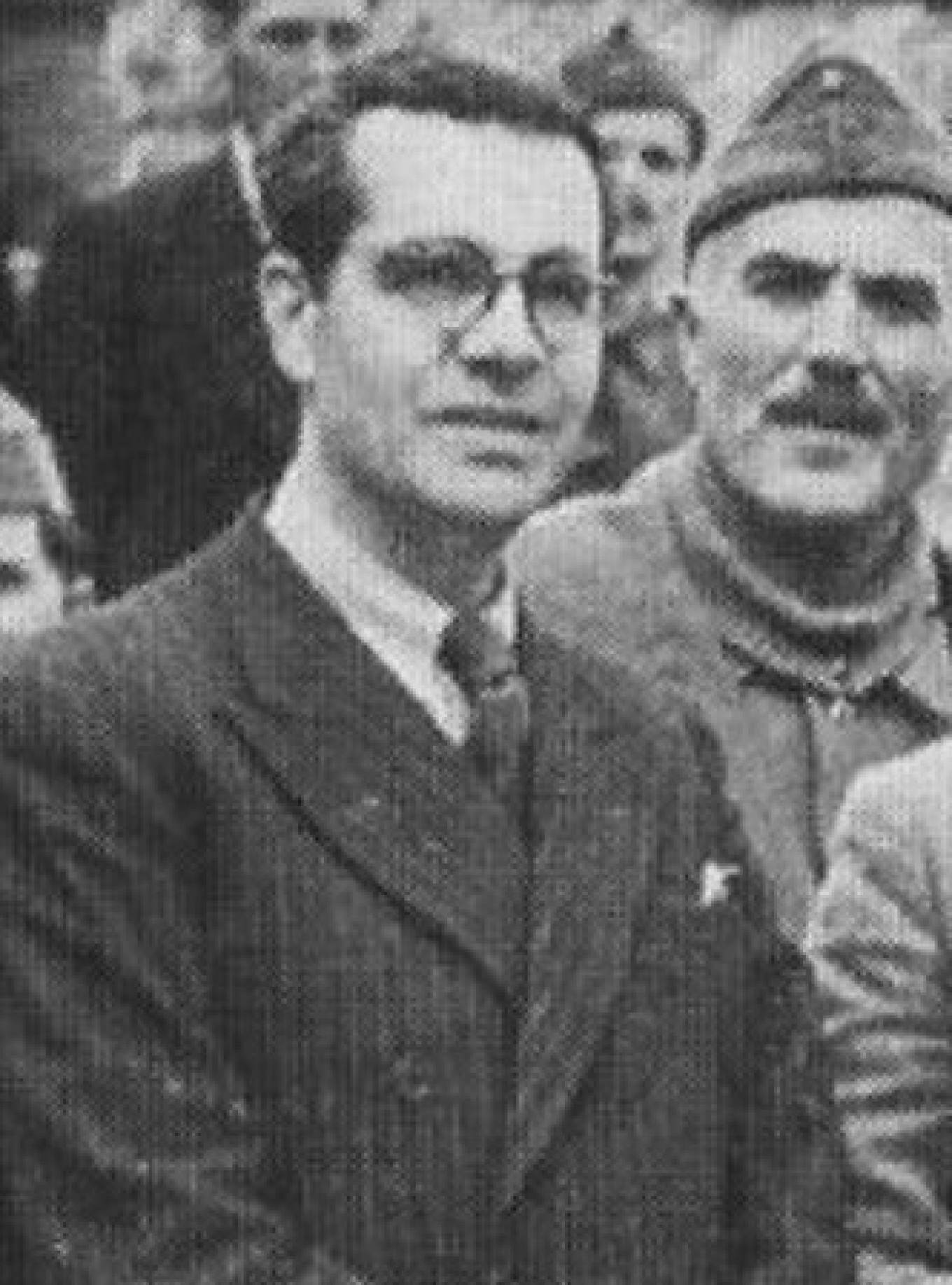
The Caserta Agreement (September 26, 1944)
On August 20, 1944, Papandreou went to Rome, where he met Churchill, who admired him as a great orator. The British Prime Minister recommended transferring the Greek government to Italy. This happened on September 7, when the government was relocated to Cava de’ Tirreni near Naples. From there, Papandreou invited Zervas and Sarafis to join him and meet with British General Scobie, who had been appointed commander of the Greek–British forces to be deployed in Greece once the Germans withdrew. While Zervas’ acceptance was expected, Sarafis traveled to Italy only after an order from Siantos and with the agreement of Mandakas, Minister of Military Affairs of the “Mountain Government.
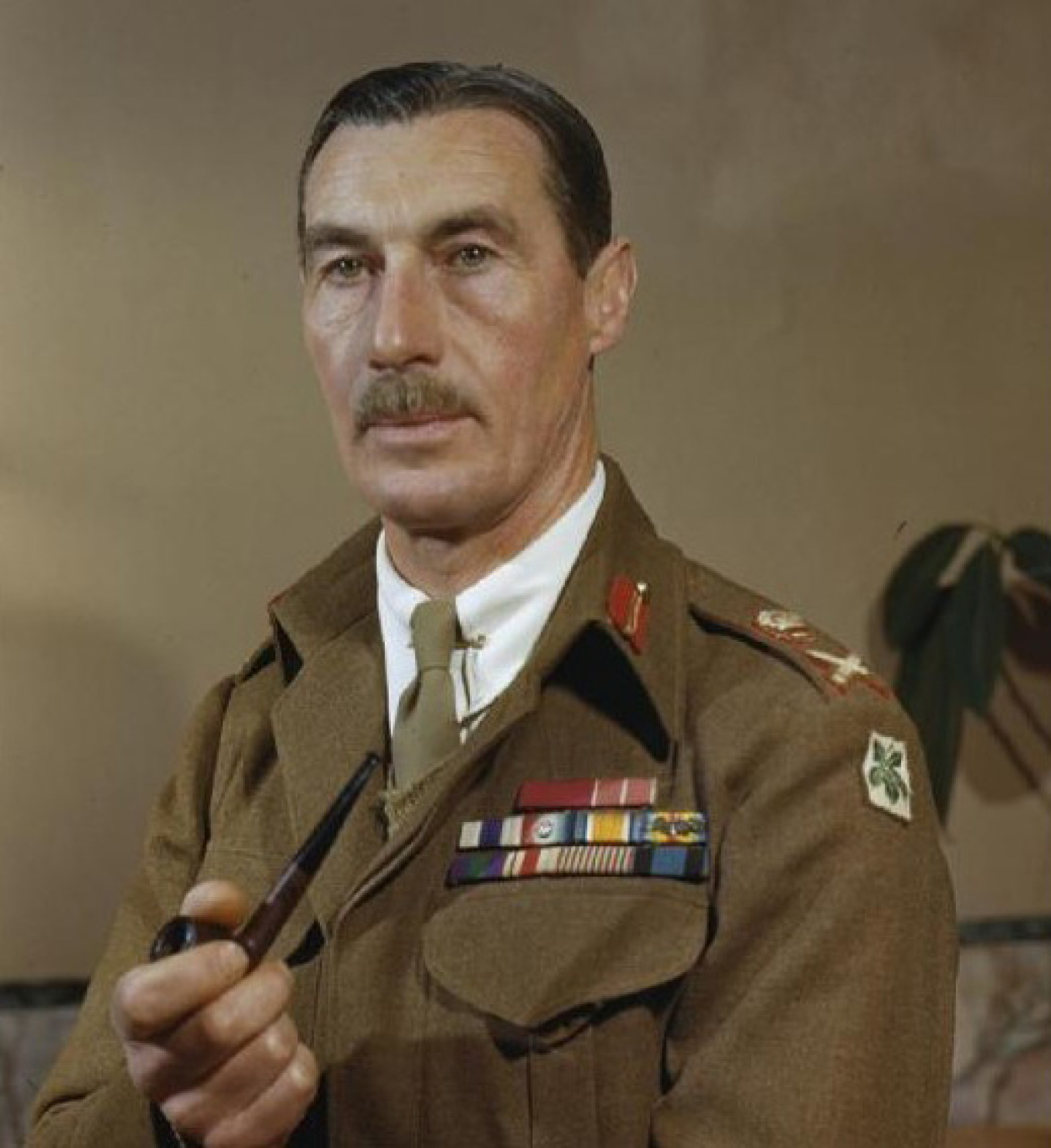
This action was much criticized afterwards, not only by ordinary supporters, but also by prominent members of EAM–ELAS.
But let us see who participated in the meeting of Caserta. It began on 23 September 1944.
From the British side participated: Minister of the Middle East Harold Macmillan, Commander-in-Chief of the Allied Forces in the Middle East Henry Wilson, and General Scobie.
From the Greek side participated: G. Papandreou, the EAM ministers Zevgos and Svolos, and the distinguished constitutionalists Themistocles Tsatsos and Christos Sgouristas.
Also present were Zervas and Sarafis, along with his legal adviser Konstantinos Despotopoulos (1913–2016), later also an Academician.
Some sources also mention that Porfyrogenis and Zevgos were present. Scobie was accompanied by his Chief of Staff Benfield, while there were also other British military and political figures, such as the British ambassador to Greece, Leeper.
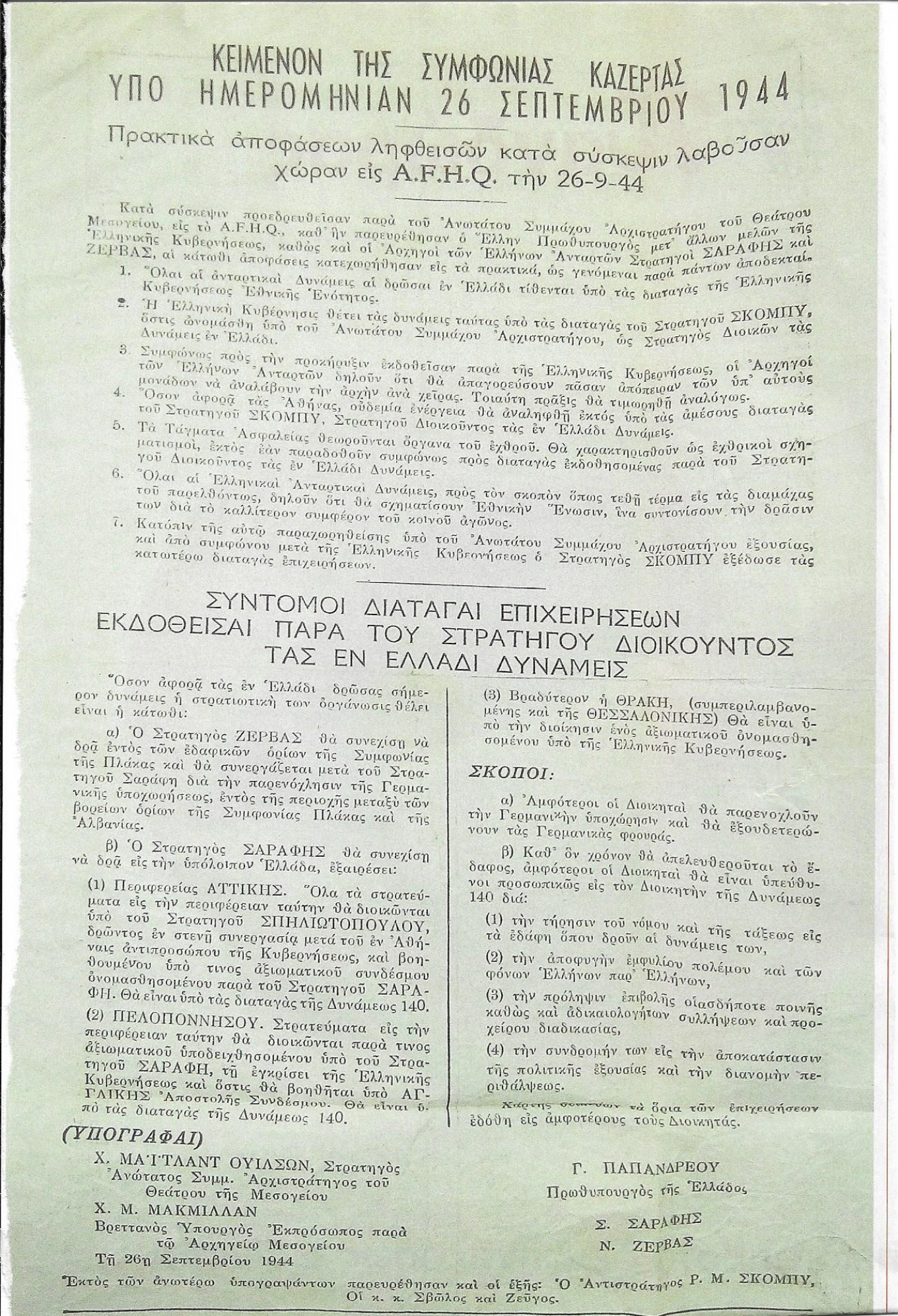
Finally, three days of consultations and discussions led to the so-called “Caserta Agreement,” signed on 26 September 1944.
Its key points are as follows:
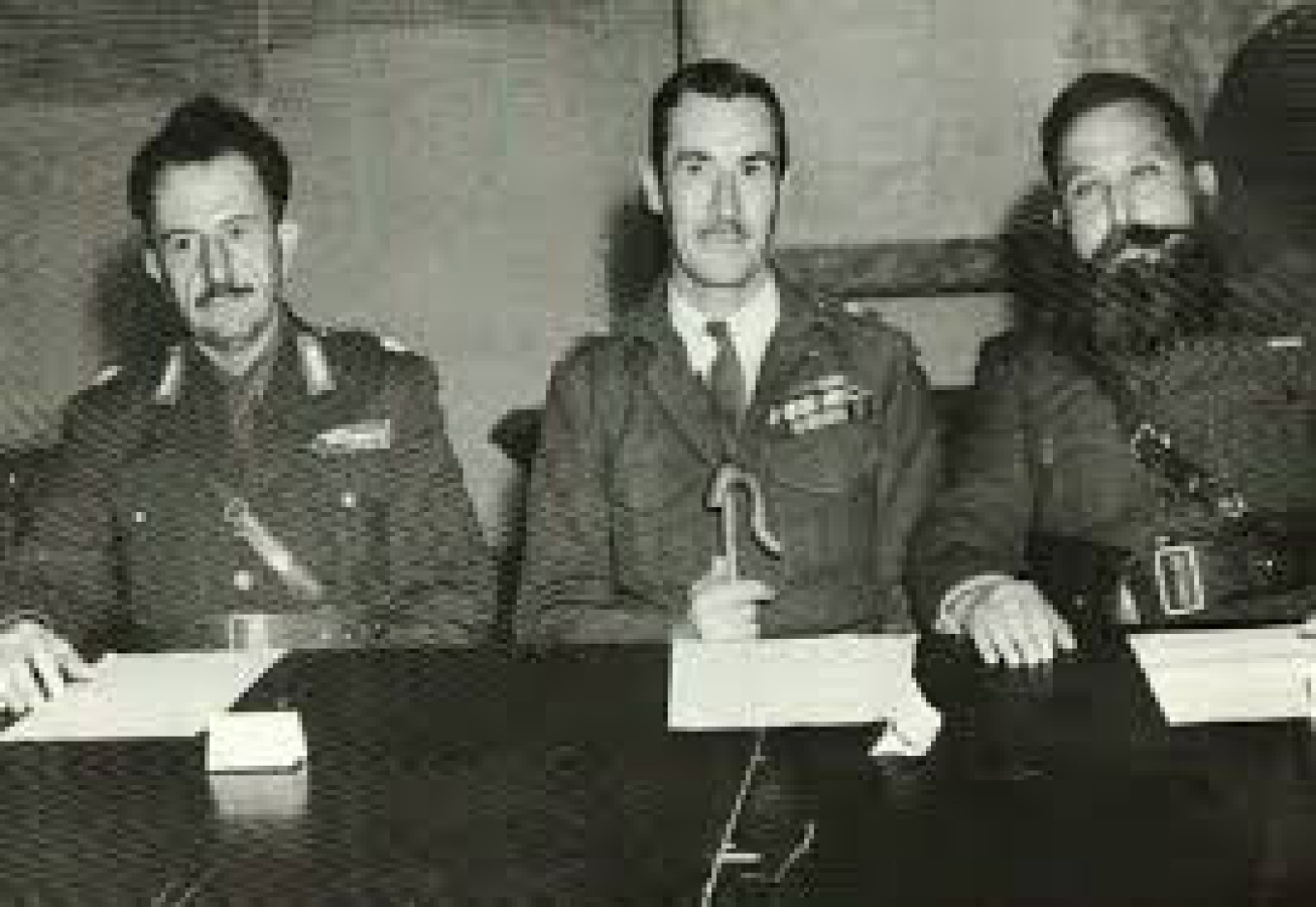
Sarafis, Scobie, and Zervas, at the signing of the Varkiza Agreement, a few months after Caserta
- All guerrilla forces operating in Greece are placed under the orders of the Greek government of national unity.
- The Greek government places these forces under the orders of General Scobie. From now on, ELAS (and Greece) will be commanded by… Scobie!
- The leaders of the guerrillas shall forbid any attempt by their units to seize authority into their own hands. Such an act will be considered a crime and punished accordingly.
- “As far as Athens is concerned, no action shall be undertaken except under the direct orders of General Scobie, commanding the forces in Greece.”
- The Security Battalions are considered instruments of the enemy, says one line, while a second clarifies: they shall be designated as enemy formations unless they surrender “in accordance with orders to be issued by the general commanding the forces in Greece.”
- “All guerrilla forces, in order to put an end to the conflicts of the past, declare that they shall form a national union to coordinate their action for the greater interest of the common struggle.”
The 7th point of the Caserta Agreements includes orders issued by General Scobie:
- General Zervas shall continue to operate within the territorial limits of the Plaka agreement…
- General Sarafis (i.e., ELAS) shall continue to operate in the rest of Greece, except: “I) The region of Attica. II) The Peloponnese. Troops in this region shall be commanded by an officer nominated by General Sarafis, with the approval of the Greek government, and assisted by a British liaison mission.” “III) Later, Thrace, including Thessaloniki, shall be under the command of an officer nominated by the Greek government.”
Also present at Caserta in his diplomatic capacity was our later (1963) Nobel laureate poet, Giorgos Seferis, who vividly described the situation in the Italian town:
“They have us isolated. There is no news, we have no newspapers, they have taken even the radio… Shut in, without contacts, without information…”
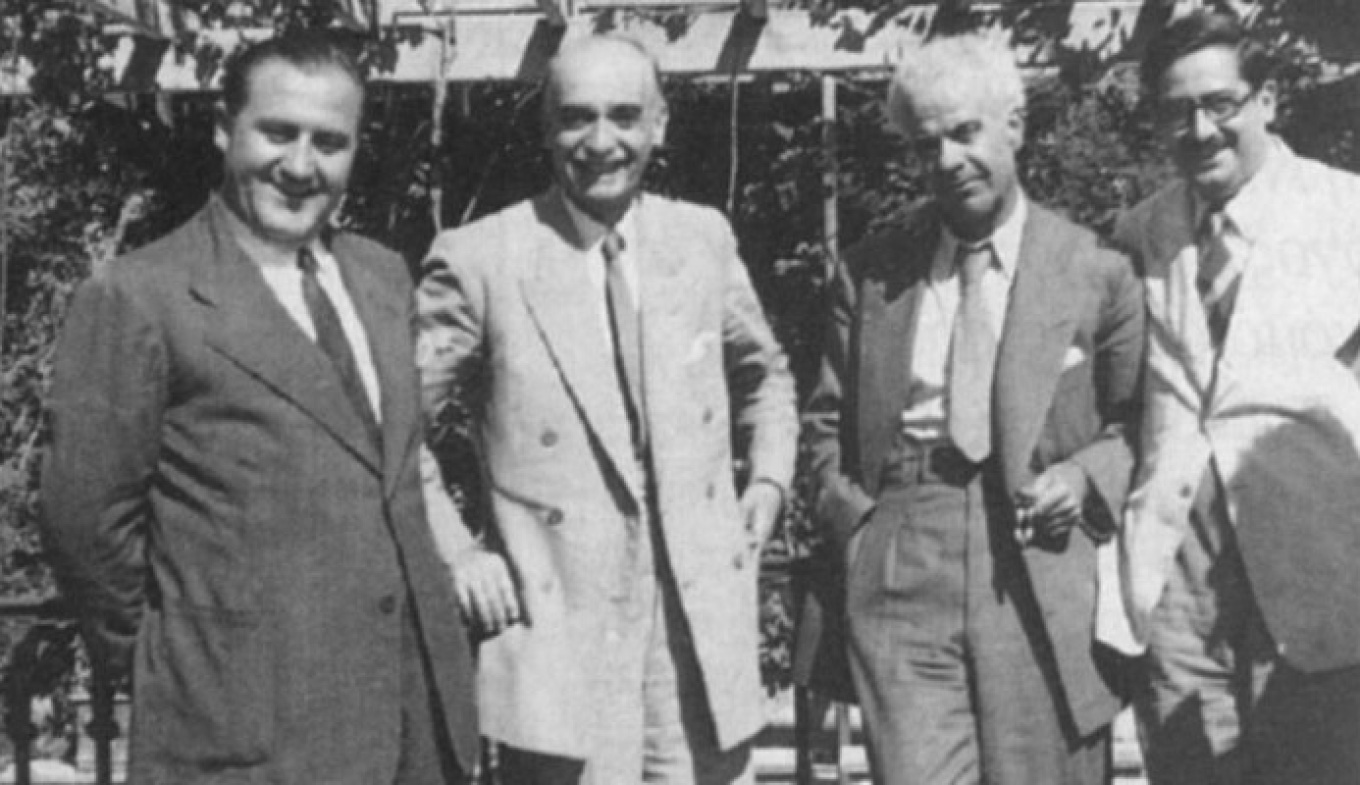
Giorgos Seferis and others in Cav Dei Tirreni
But it was not only Seferis and other diplomats who had no idea what was really happening. Without the knowledge of the Greek government, the British, a few days before Caserta, had reached decisive agreements for our country that were known neither to the Greek people nor even to Prime Minister G. Papandreou himself!
As Hitler’s Minister of War, Speer, revealed many years later to journalist Vassos Mathiopoulos, the British and the Germans had secretly met in Lisbon and agreed that the Nazis would withdraw unimpeded from Northern Greece and hand Thessaloniki over to the British before ELAS forces could enter the city.
Churchill had informed Eden, the British Foreign Secretary, that:
“The Greek government knows nothing of the plan and must in no way learn of it.”
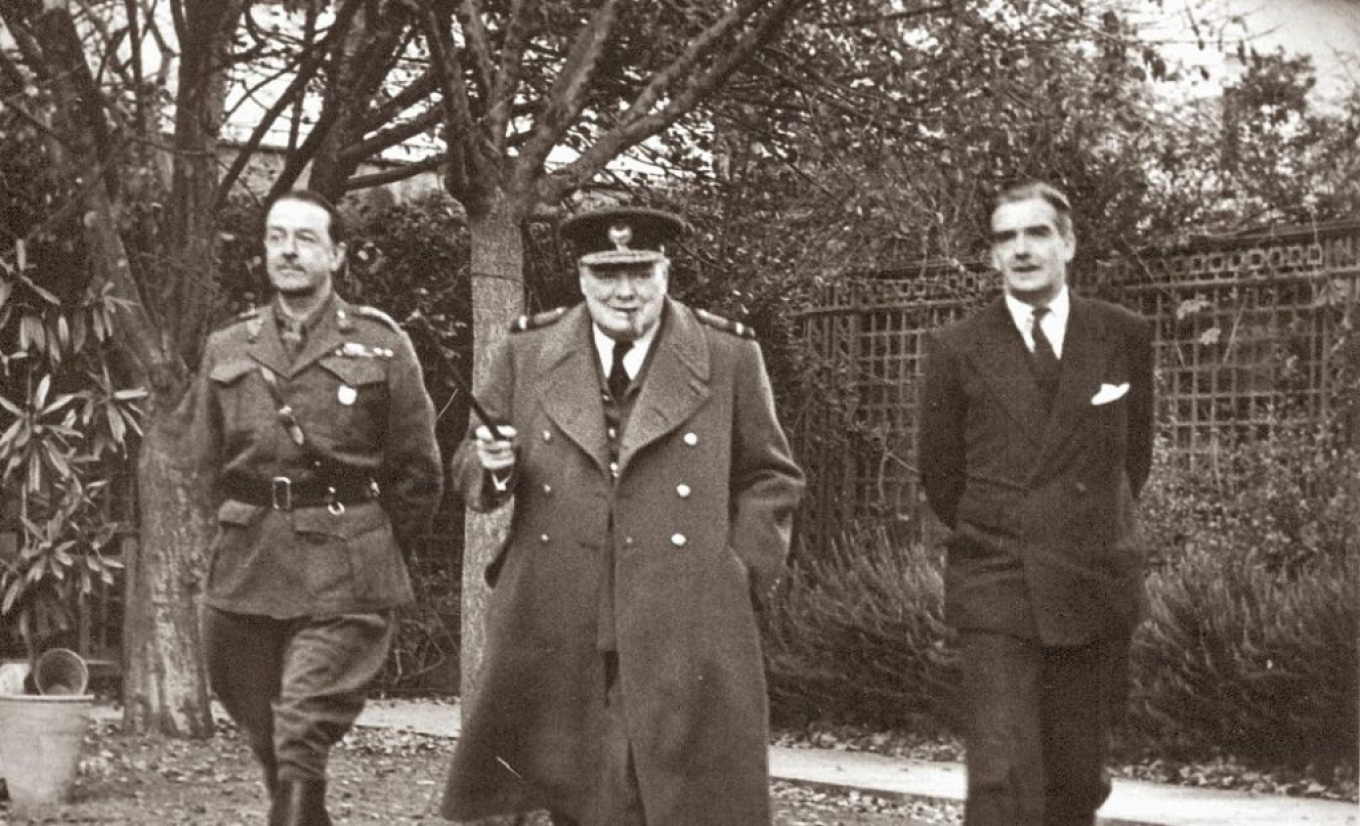
Scobie, Churchill, and Eden
At the same time, three days before the Agreement, the Soviets informed the British that the Red Army, having liberated Bulgaria, would not enter Greek territory. The USSR recognized Greece as an exclusive sphere of British influence.
The Agreement almost failed to be signed, as it initially contained a paragraph (or article) of the “short operational orders” referring to Scobie, with the controversial phrase that his duties included imposing law and order.
Svolos objected and requested the deletion of this phrase, as it was an internal matter of Greece falling under the jurisdiction of its government. Although Wilson accepted the request, Papandreou, Macmillan, and Tsatsos tried to find another wording without changing the essence of the clause.
Eventually, Wilson definitively accepted its deletion and the matter ended there.
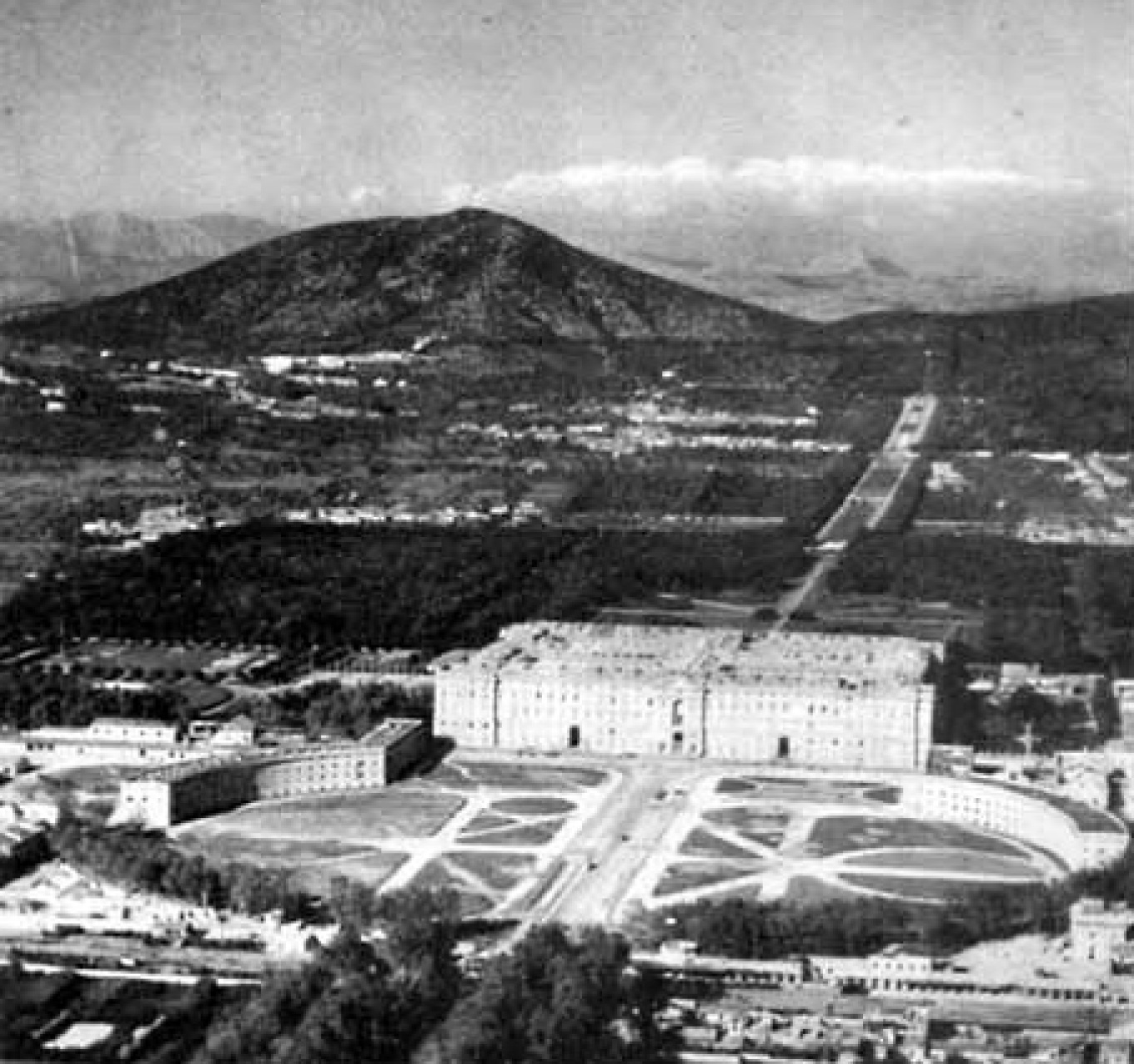
The royal palace in Caserta during World War II
The day after the Agreement, Papandreou appointed Lieutenant General P. Spiliotopoulos commander of all troops in the Attica region, ordering him to assume control of Athens and Piraeus and to maintain order until the arrival of British troops.
He also informed him that ELAS had been ordered to keep its forces out of Attica and gave him instructions on handling the infamous Security Battalions.
The officers and soldiers were either to be sent home or to surrender to Spiliotopoulos, in which case they would be disarmed and held as prisoners.
Spiliotopoulos, however, was a controversial figure, as he had served as Chief of the Gendarmerie during the Occupation, co-led the anti-communist resistance organization RAN in 1943–44, and, after taking up his new duties, recruited members of anti-EAM organizations to form official Army units.
He created the 1st Regiment from the “X Organization” and Christos Zalokostas’ “National Action,” the 20th Regiment from RAN, the “National Committee,” and other smaller right-wing armed groups.
Military commander of Thessaloniki was appointed Colonel Papageorgiou, reputed to be a collaborator, former leader of PAO, an organization dissolved by ELAS for suspicious activities.
Finally, it was believed that the paragraph concerning the Peloponnese targeted Aris Velouchiotis, who with his “black caps” had developed intense activity in the region.
Why did Svolos and Sarafis sign the Caserta Agreement?
A question naturally arises: why did Svolos, Zevgos, Sarafis, and his adviser K. Despotopoulos sign the Agreement?
According to Sarafis, in their private meeting:
“Comrade Svolos said that we must be accommodating since we had entered the government and should not argue over small matters. That we should be aware that if we had not joined the government, the British were preparing to occupy Greece and would take measures against ELAS. With our participation (said Svolos) we gain ground, and the time will come when they will understand us better and trust us so that a Svolos government can be formed. Zevgos also spoke in the same spirit,” Sarafis concluded.
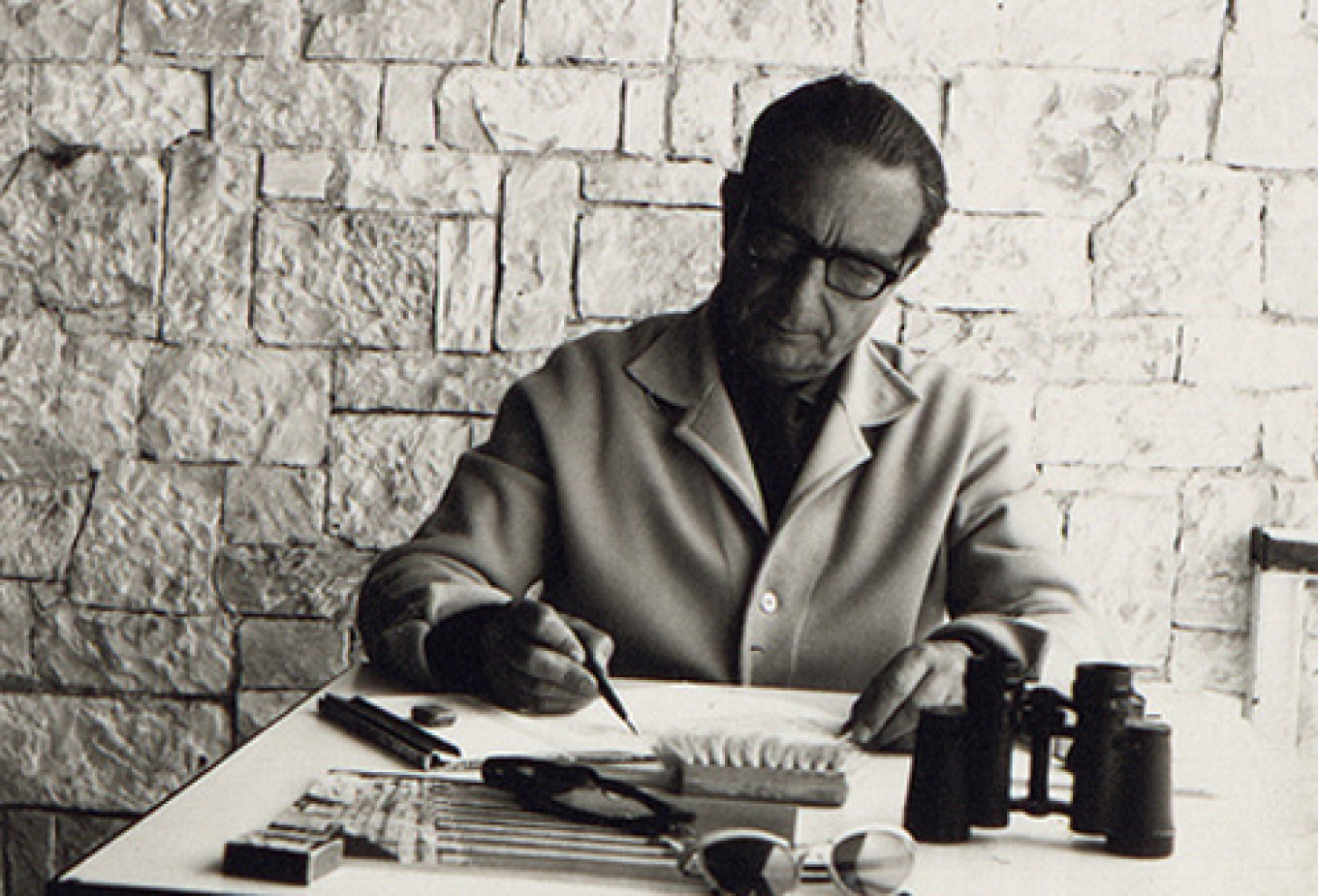
Konstantinos Despotopoulos
G. Roussos writes:
“So it was a maneuver. But even as a maneuver it remained inexplicable, since with the agreement, at least theoretically, the British and Papandreou bound ELAS. Unless the KKE had already decided to launch its December offensive and therefore disregarded formalities, while at the same time trying to lull the British, before whom the communists, with this new retreat, appeared extremely conciliatory, almost submissive.” Roussos continues:
“Later, certain KKE officials accused the party’s leadership at the time, chiefly Siantos, of this new retreat, while others stressed that the docile submission of the KKE in Lebanon and Caserta is considered by many as the main cause of the Left’s crushing defeat.”
Why are Siantos, Sarafis, and Svolos accused by their own comrades?
Immediately after the signing of the Caserta Agreement, reactions began from the Left itself. The KKE party organization in Athens denounced it by distributing 100,000 leaflets, which were later withdrawn on the orders of the KKE leadership.
Tasos Vournas writes:
“Indeed, at Caserta the road was opened for the subjugation of the resistance to the British, which ended with its complete defeat and the hanging of the head of its captain, Aris Velouchiotis, from the lampposts of Trikala as if he were the worst bandit.”
Antonio Solaro in The History of the KKE (Greek edition, p.165) writes:
“The Caserta Agreement was the Lebanon of the military.”
In general, there is the belief that with the Caserta Agreement, the British and Papandreou trapped the KKE and EAM. Seferis spoke of a “trap in which the General (Sarafis) was caught.
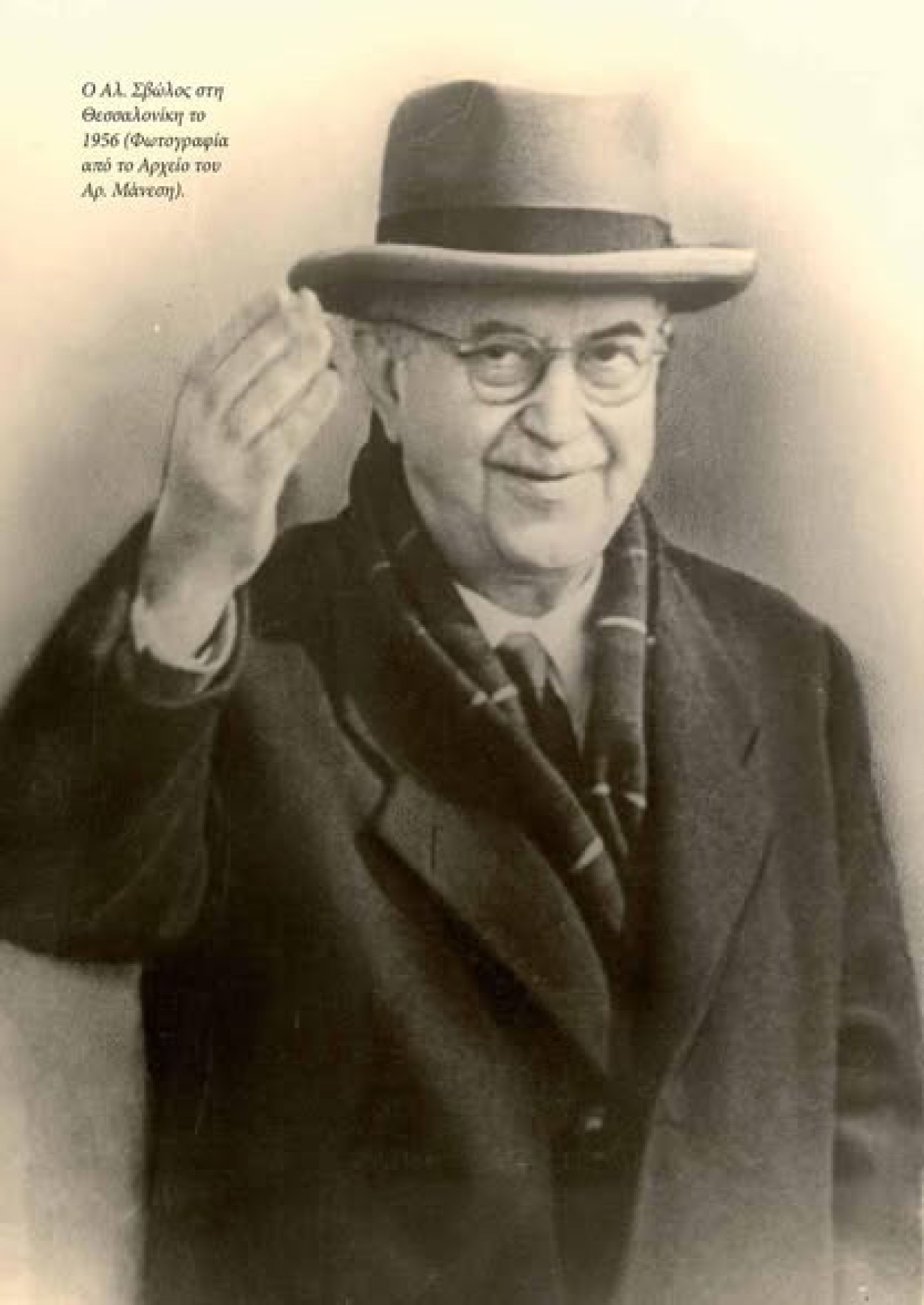
Alexandros Svolos
A few months later, Siantos himself, who had pressured Svolos and Sarafis to sign the Agreement, called it a “great mistake.”
Here is a characteristic excerpt from the activity report of G. Siantos at the 11th Plenum of the Central Committee of the KKE (5–11 April 1945).
He characterizes the Lebanon Agreement as a “right-wing mistake,” and the Varkiza Agreement as a “necessary agreement, a minimum of freedoms for action, which gives a legal basis for the anti-fascist struggle.”
About the Caserta Agreement he writes:
“A similar and even greater mistake was the Caserta Agreement. We were handing ELAS over to the British. We erased our demand for a Greek Commander-in-Chief. (Already from Lebanon Othonaios had been designated). We broke the cohesion of ELAS. Apart from Zervas, we conceded territory to Tsaous Anton and Attica to Spiliotopoulos, thus hindering our action in Attica. It obstructed the blow against the Rallis men, etc. This too was a serious right-wing mistake. Let us not forget that Scobie, with the Caserta Agreement, justified his intervention in December.”
(Source: Communist Review, Issue 5, 2005).
In any case, in 1951 Zachariadis called Siantos a British agent, while some believe Stalin pressured the KKE leadership to sign.
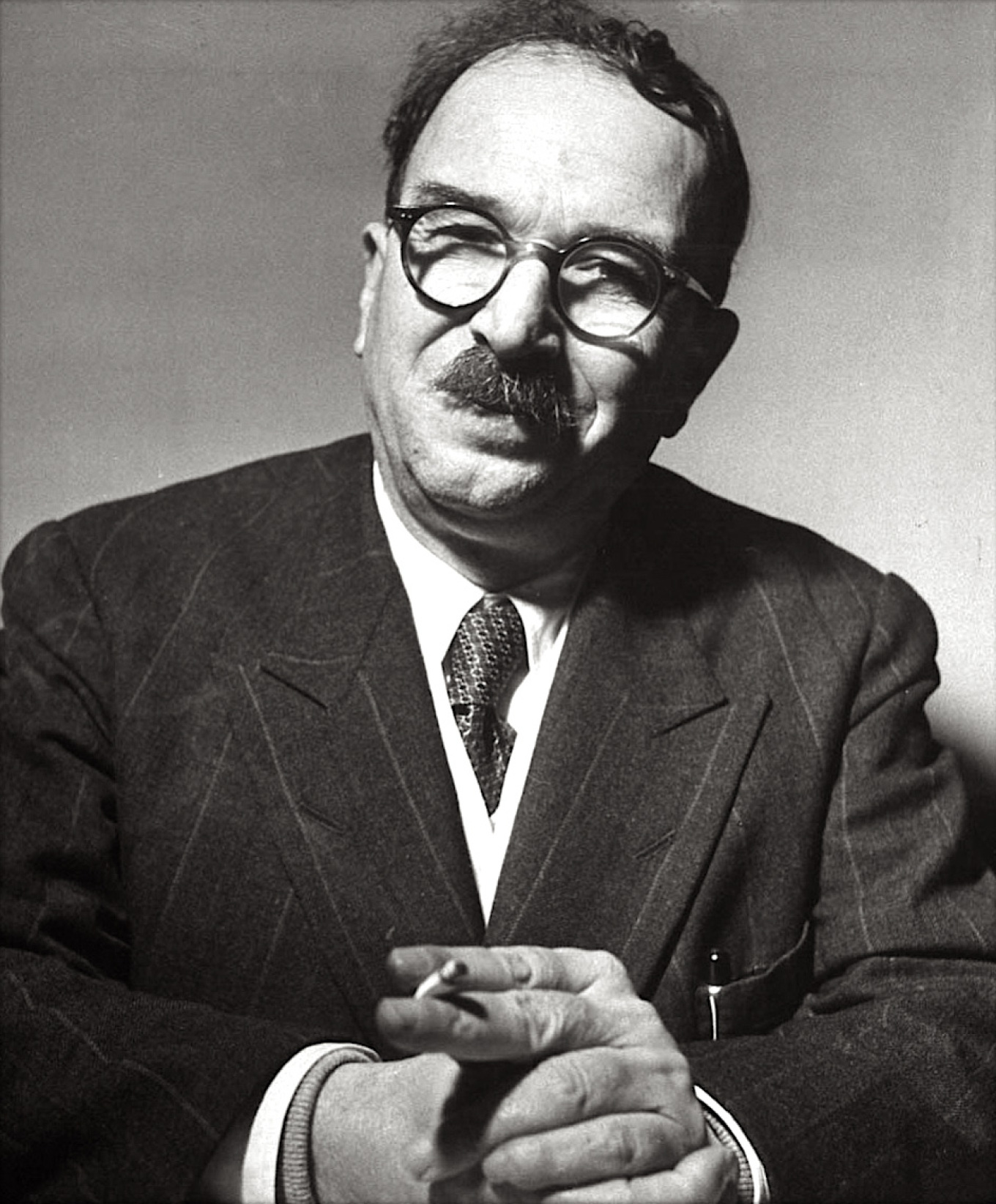
Giorgos Siantos
Epilogue
The Germans had decided to leave Greece in the summer of 1944. The “evacuation order” was signed on 29 August. Naturally, Allied intelligence services knew this.
On 6/8/1944 Churchill had already instructed the Chief of the British Staff to prepare, within a month at most, a force of 10,000–12,000 men with tanks, armored vehicles, and artillery to be landed in Athens.
On the same day, Churchill emphasized to Eden that it was out of the question to throw “Papandreou to the wolves, at the first howls of those wretched Greek (communist) bandits.”
At the same time, two weeks later he sought Roosevelt’s consent.
The American President agreed willingly and provided American airplanes for the transport of the British to Greece. By late August, Churchill ordered the forces for our country to be ready by 11 September.
Scobie tasked Spiliotopoulos with preventing the immediate seizure of power by the communists. With the few forces he had, Spiliotopoulos drafted a defense plan and another for the prevention of destruction of major public works.
But EAM–ELAS of Athens–Piraeus and its surroundings was also preparing.
Thus, on 12 October Athens was liberated, and forty days later came the terrible, bloody, and disastrous December Events (Dekemvriana) for our country.
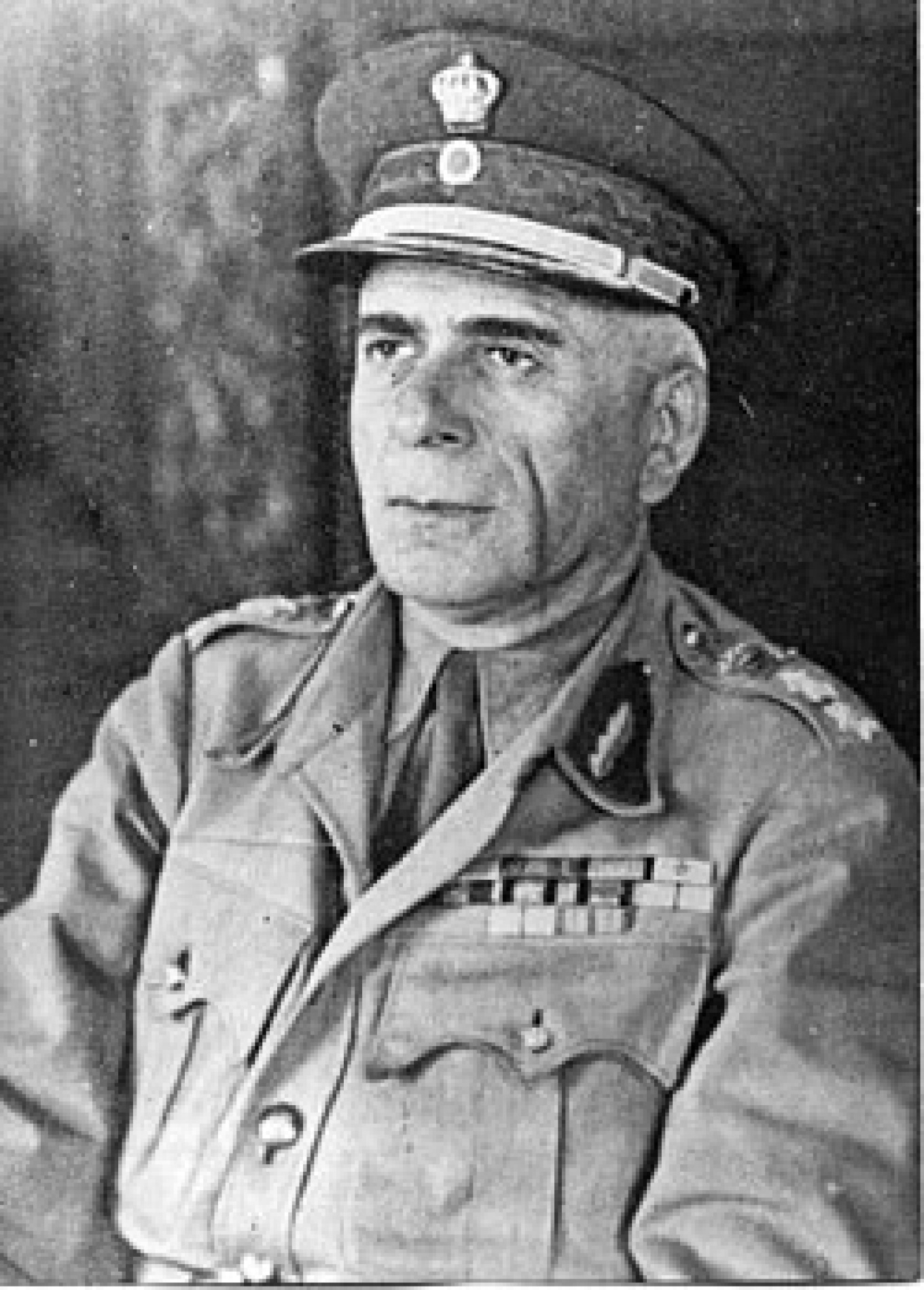
Panagiotis Spiliotopoulos in 1952
Main source for the article was Modern History of the Greek Nation 1826–1974 by Georgios Roussos, Hellenic Cultural Foundation Editions, Athens 1975.
Ask me anything
Explore related questions




