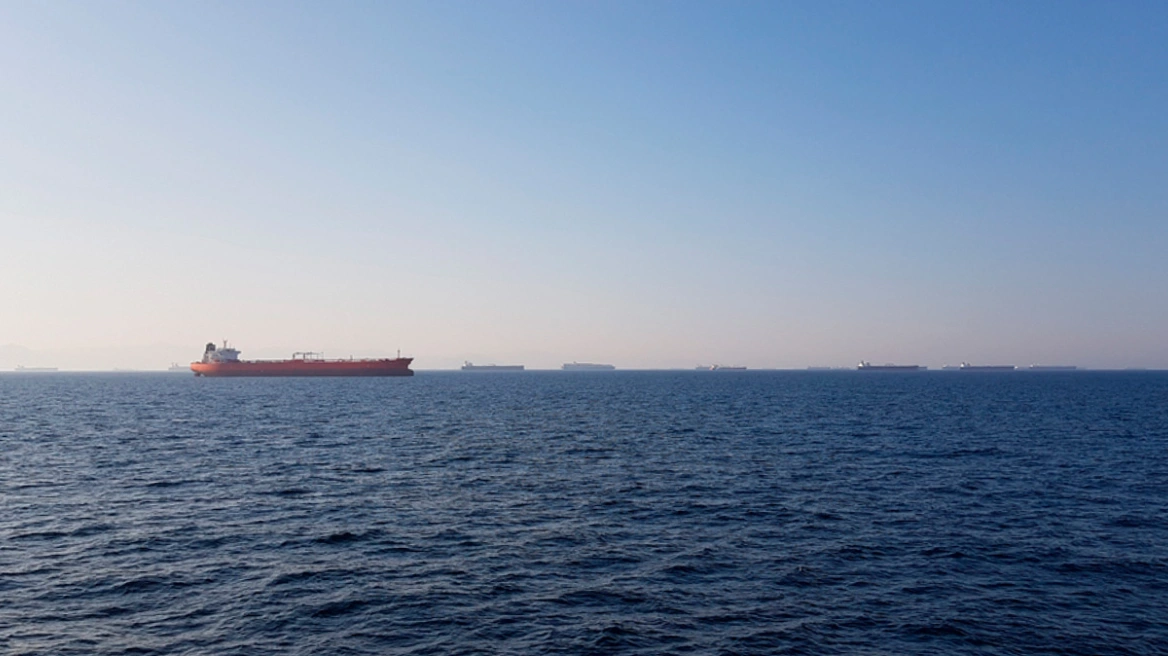
A scene that looks innocent… but smells like millions. A container pulls into the port of Piraeus, among thousands of others. On the paperwork, it says “tyres and screws,” but inside are electric bicycles, scooters, bags of make-up, clothes, and boxes of shoes. The plan is simple: declare different goods on the accompanying documents (packing list), hide the true contents of the container, and in that gap, profit is born — for those who know the game.
This scene repeats in dozens of European ports: cargoes slip under the radar, change hands and destinations, get repainted, and vanish into networks of shell companies. In the case of the “Calypso” operation at Piraeus — perhaps the most spectacular intervention by the European Public Prosecutor’s Office (EPPO) in Europe’s customs — inspectors opened the boxes and revealed the big trick: a three-pronged fraud that starts in Asia, passes through Piraeus, and ends on European shelves, with prices stripped of legal duties and taxes.
The Scheme Unfolds
The fraud operates with surgical precision. Before goods from China (or Asia in general) even begin their journey, the paperwork is falsified: invoices undervalue the goods or mislabel them to avoid duties and taxes. Complete electric bicycles are declared as parts. Branded clothing is described as “general-purpose fabrics.” The result: customs duty becomes negligible.
In Piraeus and other major Mediterranean ports, the container sails through under a “poor declaration” — incomplete or artificially low customs paperwork — lost among thousands of arrivals. Opening every container is impossible. And that’s where the scheme comes in.
The goods are delivered to a shell company — one that exists only on paper. From there they enter a network of “missing traders”: companies that sell products, collect VAT from customers, but never pay it to the state. These traders disappear, leaving only a VAT number that is cancelled. The state loses revenue, the scheme keeps the difference. To cover their tracks, payments are split into dozens of small transfers, moved through banks, proxy accounts, or digital wallets, and the loot is shared.
The Trifecta that Prints Millions
This “trifecta” — undervaluation, false classification, and MTIC or carousel fraud (VAT fraud with “missing traders”) — is, according to the European Commission, the engine that makes the scam so lucrative. Three simple moves turn a false declaration into millions in lost revenue for states and huge profits for the fraudsters.
Since 2019, the European Commission has imposed anti-dumping duties on imports from China, renewed several times. This has made legal importation less profitable — so the incentive to “repaint” or undervalue goods skyrocketed.
A whole industry has grown around adulterated products: textiles, shoes, handbags, glasses, small appliances, even batches of electric vehicles. Branded clothes are disguised as “general fabrics,” shoes costing €15–20 are declared at €2–3, glasses and accessories are listed as low-value goods. Systematic violations of the rules have become a profit-generating mechanism for organised rings — at the expense of public coffers.
Who Are the Looters?
Behind the fraud is not one player, but a chain. At one end: promoters and e-commerce importers, who organise the shipments and decide the paperwork. In the middle: customs brokers and intermediaries, who know how to “button up” declarations. Then: carriers and warehouses, who break down and repack merchandise, change labels, and produce false invoices. At the other end: wholesalers and marketplaces selling at prices no legitimate dealer can match. Sometimes government officials get involved — by omission or bribery.
In the “Calypso” case, investigations led to the arrest of customs agents and officers, with related operations in France, Spain, Bulgaria, and Greece.
Anatomy of the Racket
Imagine a container with 100 boxes leaving a factory in Asia. Paperwork declares only 10 boxes of spare parts — 10% of the actual cargo. The remaining 90 boxes — e-bikes and e-scooters worth hundreds or thousands of euros each — are absent from the documents. The container passes through Piraeus without inspection, thanks to a low classification, a “correct” customs code, and a customs broker who knows “how it’s done.”
Within Europe, those “missing” boxes enter a network of warehouses, broken into smaller batches. Some appear in marketplaces at unbeatable prices — because duties and VAT have never been calculated.
Meanwhile, invoices circulate among shell companies. Missing traders sell quickly, disappear before paying VAT. Sales proceeds are broken into dozens of small transfers, routed through e-wallets and proxy accounts, before ending up in network accounts or returning to Asia as “commission payments.”
The Calypso investigation uncovered suitcases full of cash in customs offices, companies that sprang up and vanished within months, shipments whose destination changed overnight, declarations of “spare parts” hiding millions worth of goods. EPPO blocked 2,435 containers — the biggest such operation in the EU — and Laura Covesi called it a “fraud industry.”
European authorities estimate losses at €700–800 million in customs duties and VAT. But on a European scale, and over time, losses from undervaluation and carousel fraud reach billions.
How Profits Inflate
The profit comes from the “spread”: the difference between the real value and the declared value. This is split among organisers, intermediaries, customs brokers, warehouse managers, distributors — and those who turn a blind eye.
Example: an e-bike costing €400 in China is declared as spare parts worth €40. Customs duty of €80 per bike disappears, as do anti-dumping charges. The bike is sold in Europe for €600 — a net profit of €300–350 per unit.
For clothing: a container of branded blouses worth €500,000 is declared as general fabrics worth €50,000. Duties drop, goods circulate within the EU, and the clothes end up in marketplaces or wholesale, undercutting legitimate dealers. The €450,000 difference becomes pure profit.
Even small goods — eyeglasses worth €30 — are declared for €3 and sold for €80–100 in the EU. Multiply this across tens of thousands of goods, and the sums are staggering.
Profits in Hidden Wallets
The money trail is disguised by inter-company transactions, virtual invoices, short-lived shell companies, micro-transfers, proxy accounts, and e-wallets. Investigations have uncovered frozen accounts, suitcases of cash, and transaction chains that erase all traces.
Why Greece? Piraeus is a major gateway for Asian cargo. Until recently, physical inspection capacity was limited. With thousands of containers arriving daily, the chance of opening every container is slim. Networks pick low-risk gates with fast cargo flow. EPPO confirms many suspect shipments pass through Piraeus.
Variations of the Trick
This isn’t new. Investigations into imports of shoes and textiles show the same pattern. OLAF reports repeated underpricing cases since 2020, with losses in the hundreds of millions, totalling billions.
Several cases have gone to the Court of Justice of the European Union, which confirmed that member states’ failure to control imports causes massive revenue losses. This is not random fraud — it’s a structural problem requiring a pan-European response.
The European Commission has set up tools to respond: Eurofisc, which unites tax administrations to detect suspicious transactions, and CESOP, effective from 2024, requiring payment providers to record and share cross-border payment data — to detect and block ghost companies before they vanish.
Ask me anything
Explore related questions