Coral Reefs Have Crossed a Climate Tipping Point, Scientists Warn
The world stands on the brink of a “new reality” driven by climate change, as coral reefs have almost certainly passed a catastrophic tipping point from which there is no return, according to a major new scientific report released today.
An international team of around 160 scientists examined the health of the planet and identified potential tipping points—critical thresholds that, once crossed, could permanently and irreversibly alter ecosystems. If these limits are breached, the researchers warn, a devastating domino effect could follow.
“Unfortunately, we are now almost certain that we have passed one of the tipping points for tropical warm-water coral reefs,” said Tim Lenton, an environmental researcher at the University of Exeter (UK), speaking to Agence France-Presse.
With global temperatures now 1.4°C above pre-industrial levels, coral reefs are undergoing unprecedented degradation, threatening the livelihoods of millions of people who depend on them and endangering the survival of roughly one million marine species, the authors report.
Unprecedented Coral Mortality
Since the team’s previous study, published in 2023, coral mortality has reached record highs. Reefs around the world are experiencing mass bleaching events—a visible sign of ecosystem collapse—that can last up to two years.
Corals, which serve as natural anti-erosion barriers, biodiversity hotspots, and carbon sinks, are bleaching due to extreme heat. In warmer waters, they expel the symbiotic microorganisms that give them their color and provide essential nutrients. Once expelled, corals begin to starve, leaving behind only skeletal remains.
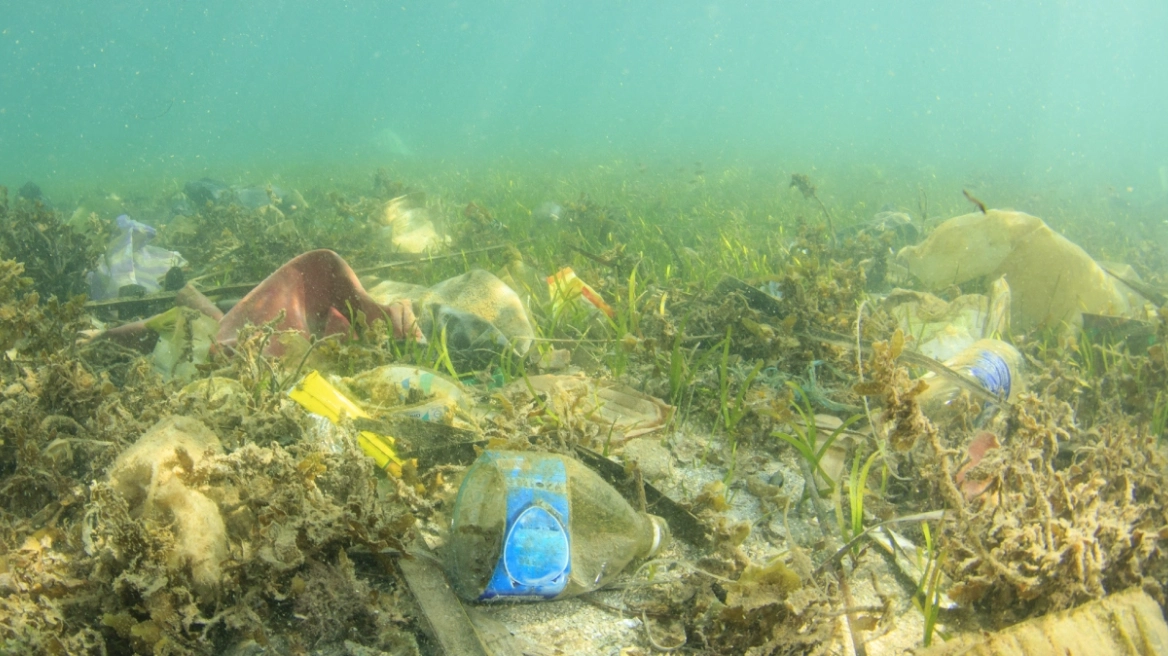
Dead coral structures become overgrown with algae and are gradually colonized by simpler organisms until they decay and disintegrate, effectively erasing complex reef ecosystems.
A Few Degrees from Disaster
Scientists estimate that if temperatures rise to 1.5°C above pre-industrial levels, the vast majority of coral reefs will disappear. That threshold, one of the key targets of the 2015 Paris Agreement, could be breached within a few years without drastic cuts in greenhouse gas emissions.
The limit is now “on the verge of collapse,” warned UN Secretary-General António Guterres recently.
Going beyond it, added Lenton, would push “the world into a danger zone—an even greater danger.”
A Warning Ahead of COP30
The timing of the study’s release is deliberate. It coincides with a preparatory meeting in Brasília, where negotiators from around the world are gathering ahead of COP30, the next global climate summit to be held in Belém, Brazil.
Over the past two years, scientists say the Earth’s vital signs have worsened. More planetary tipping points may soon be crossed, including the irreversible melting of polar ice, the collapse of major ocean currents, and further destruction of the Amazon rainforest—the symbolic location of COP30.
“We are rapidly approaching multiple planetary tipping points that could transform our world, with devastating consequences for people and nature,” warned Lenton. “This requires immediate and unprecedented action from leaders at COP30 and from policymakers worldwide.”
Signs of Hope: Positive Climate Turning Points
Amid the alarming findings, researchers also highlight areas of encouraging progress. Some sectors, they note, have reached positive tipping points—changes that could accelerate the shift toward sustainability.
Globally, solar and wind power are now cheaper than ever, and the adoption of electric vehicles, energy storage systems, and heat pumps is rising in many markets.
Other technologies—such as green hydrogen and ammonia—have yet to reach this stage but hold significant potential for the future.
As the planet edges closer to irreversible climate thresholds, scientists stress that the coming years will determine whether humanity can still steer away from large-scale ecological collapse—or whether the age of living coral reefs will become a memory of the past.
Ask me anything
Explore related questions