





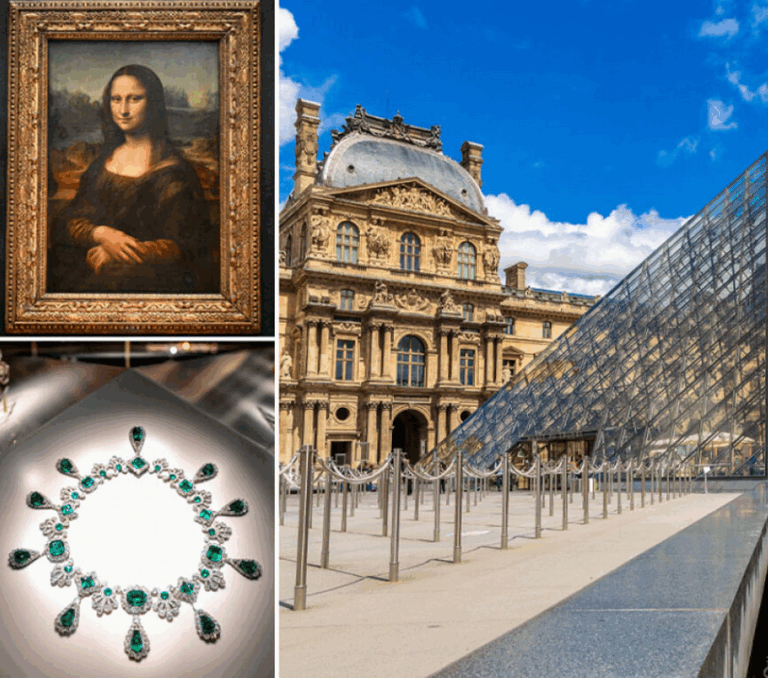
The sheer audacity of stealing some of the most valuable exhibits from the world’s busiest museum, in broad daylight and during normal visiting hours, is staggering. The method was shockingly simple — an elevator lift, a common rotary cutter for the glass cases. The speed and precision revealed meticulous preparation and practice. The museum’s surveillance and security systems were rendered utterly useless.
With these ingredients, the recipe for the Louvre “rififi” — and in the hallowed Hall of Apollo, no less — comes close to perfection. In Netflix terms, the theft of a series of jewels of priceless historical worth could be compared to Money Heist (La Casa de Papel), at least in the study and flawless execution of the plan. For lovers of classic caper comedies, the success of the burglars lay not only in their astonishing haul (even though they didn’t seize the legendary “Régent,” the 140-carat monster diamond) but also in their humiliation of the Louvre’s security protocols — straight out of The Pink Panther and Inspector Clouseau.
While France’s Ministry of Culture published photographs of the eight stolen masterpieces, President Emmanuel Macron declared with certainty that the thieves would be captured immediately and the stolen treasures restored to their rightful place in the Louvre’s display cases.
Yet one major mystery remains: what will become of the stolen jewels? Their design and provenance are so distinctive that they could never be sold on the black market for looted art. A far more plausible theory is that this was a commissioned theft. Cinematic as it sounds, it would be much simpler for a wealthy collector to hire a professional team to lift specific jewels from the Louvre than to try to buy them afterward.
If, therefore, the thieves and the artifacts they removed are already en route to the private collection of whoever ordered the heist, those treasures may vanish from public view indefinitely — perhaps forever.
In barely seven minutes — even as their every move was captured on the museum’s CCTV — two masked robbers cut open display cases with a rechargeable portable saw and escaped with two accomplices waiting outside on scooters. For both their entry and exit from the Hall of Apollo, the thieves used the same route, via an industrial lift positioned on the Seine side of the building.
The lift used by the thieves
In fact, among the stolen pieces there was originally a ninth — a diamond-encrusted crown — which, for some unknown reason, the thieves left behind along with their tools, communication devices, and other equipment.
The treasure stolen from the Louvre includes:
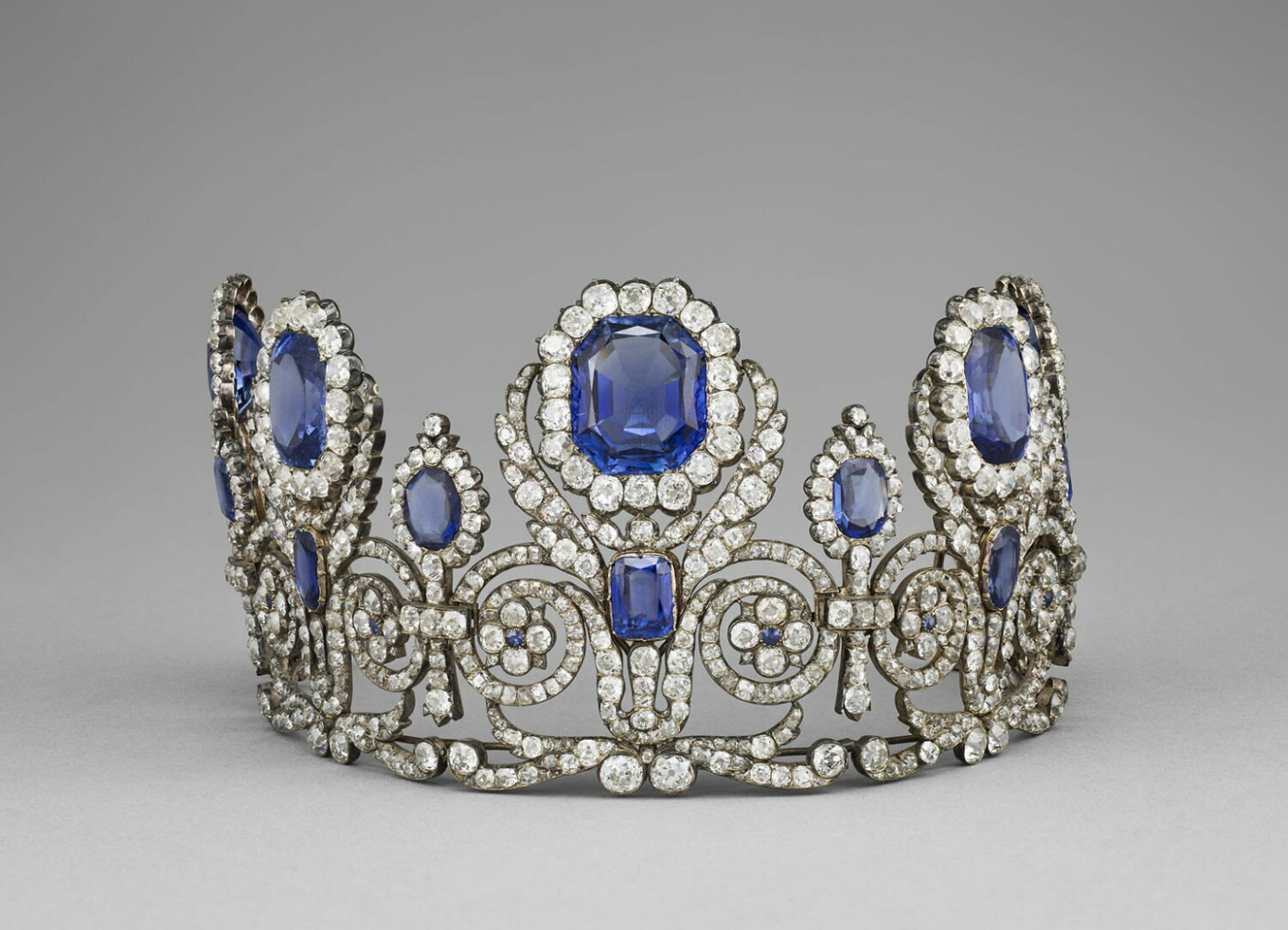
- The tiara from the jewelry set of Queen Marie Amalia and Queen Hortense.
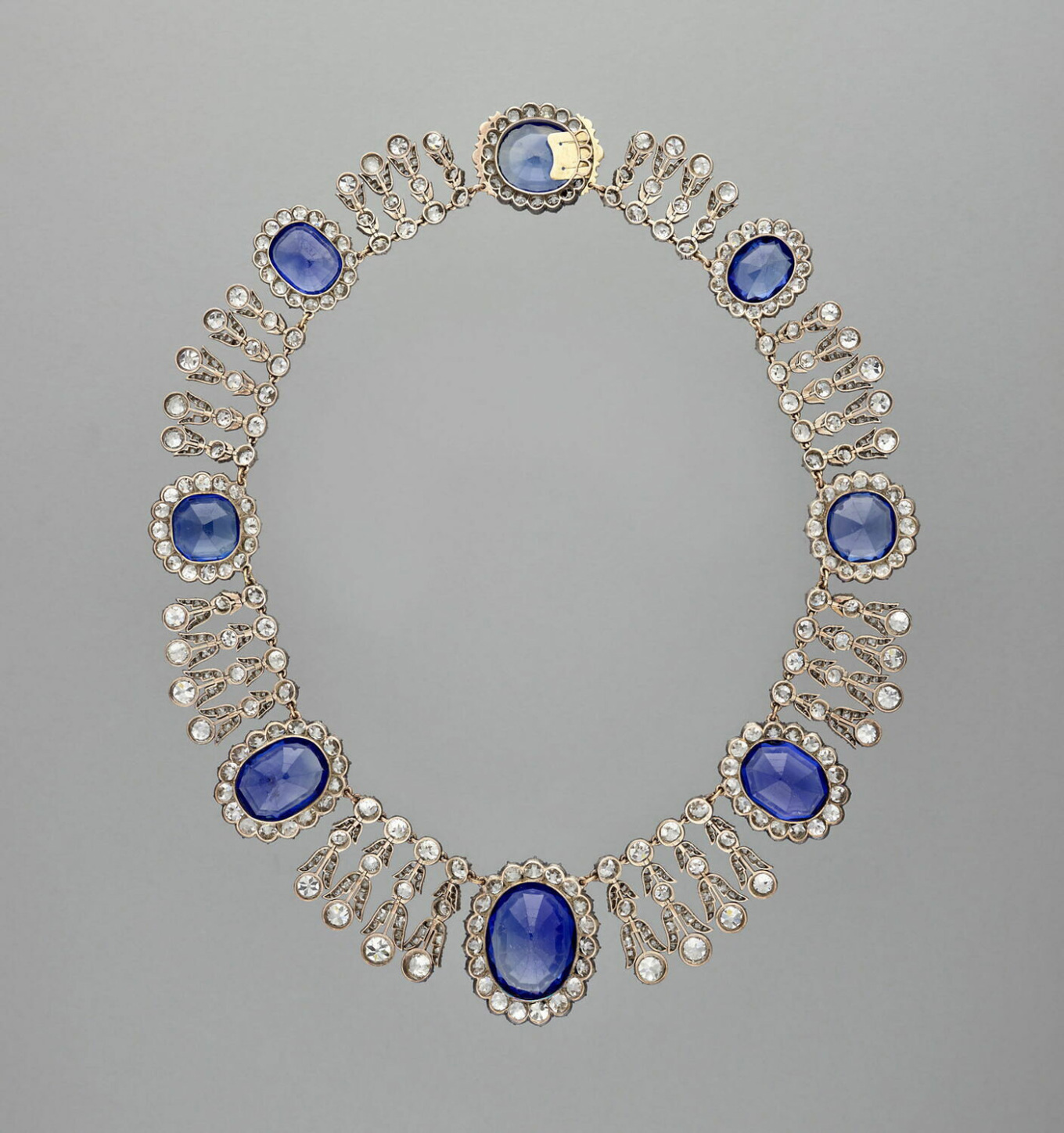
- A sapphire necklace.
- A sapphire earring from the same set.
- The emerald necklace from Empress Marie-Louise’s jewelry set, containing 32 emeralds and 1,138 diamonds.
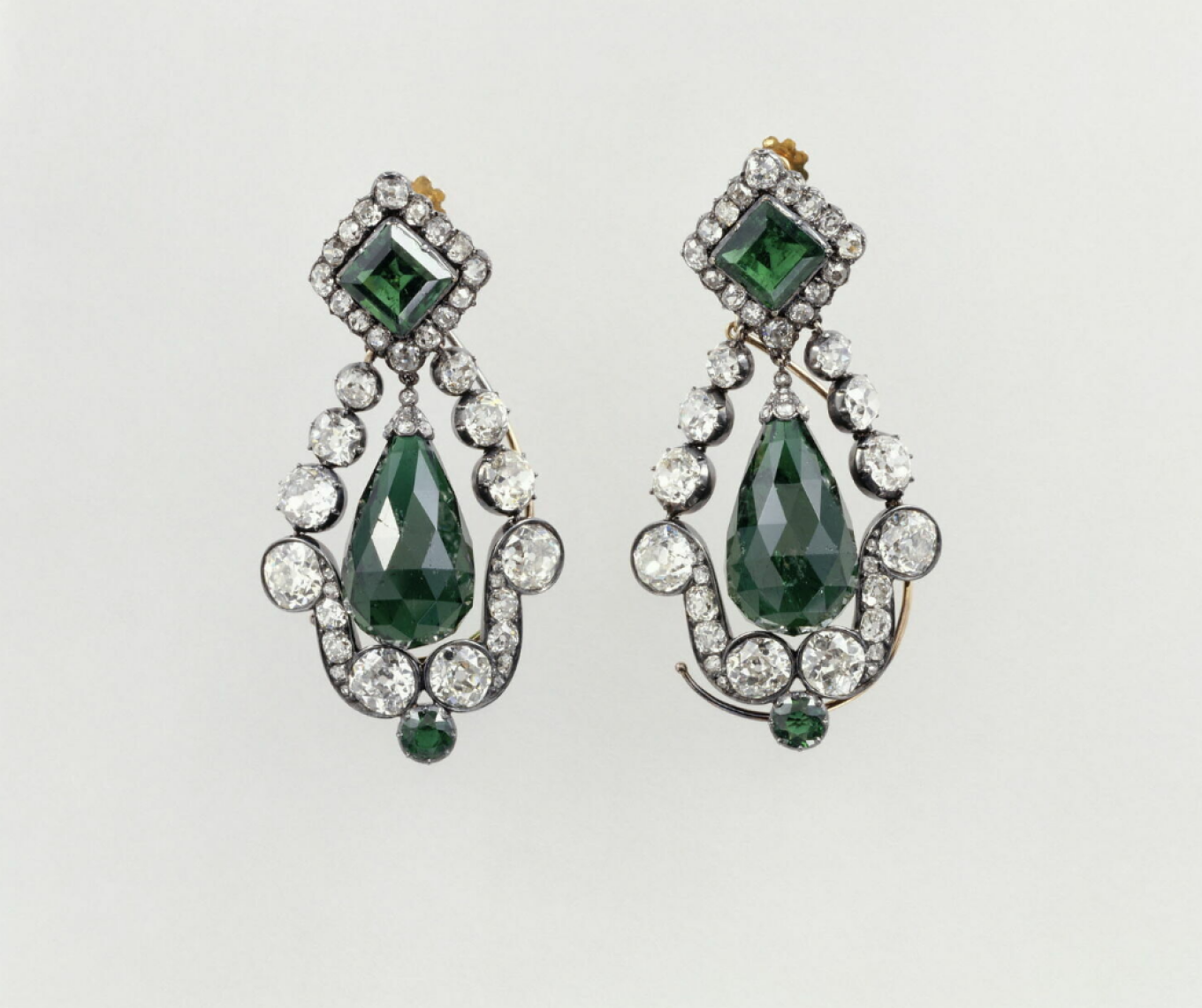
- A pair of emerald earrings from Marie-Louise’s collection.
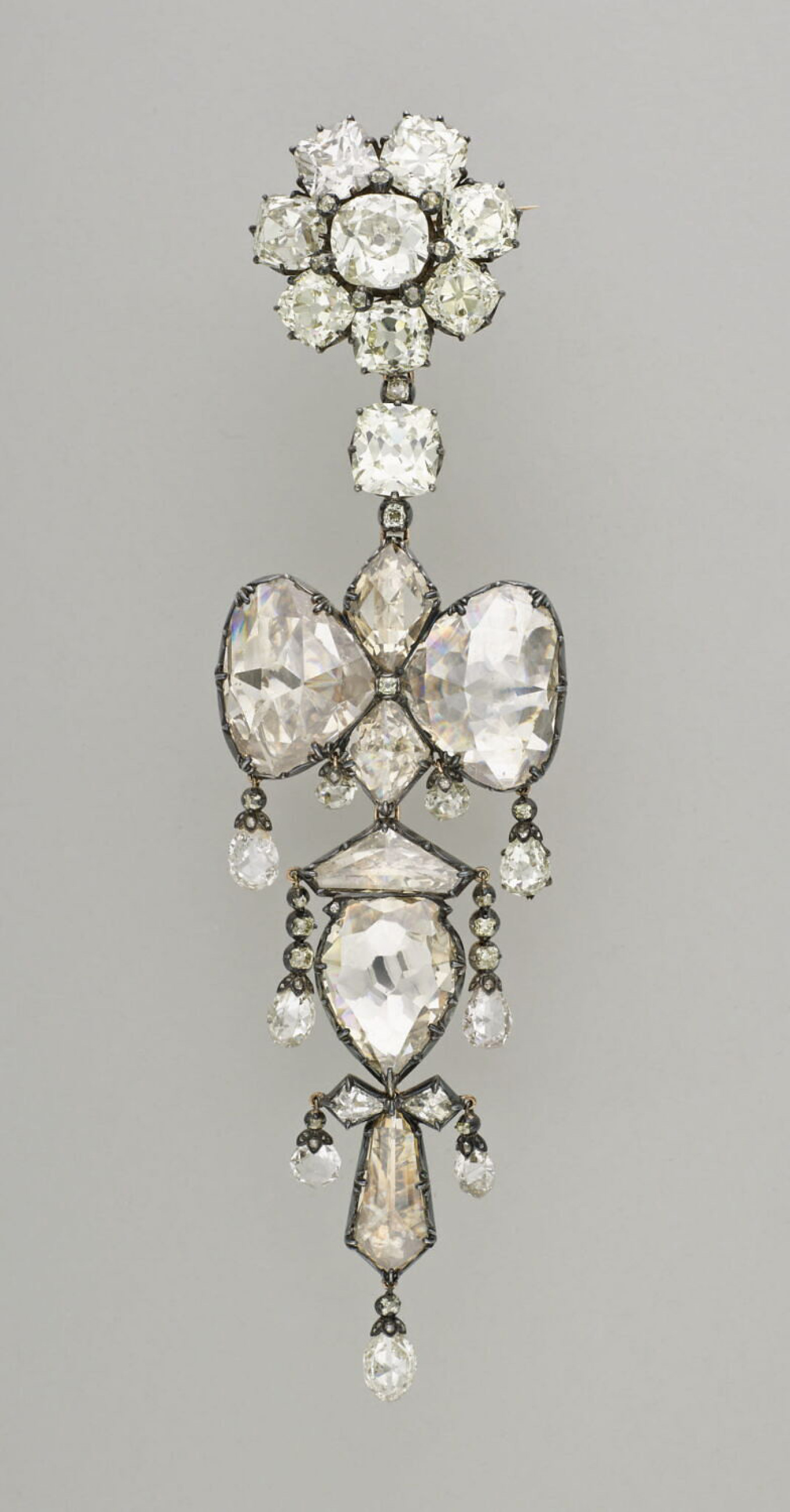
- A brooch known as the “Reliquary.”
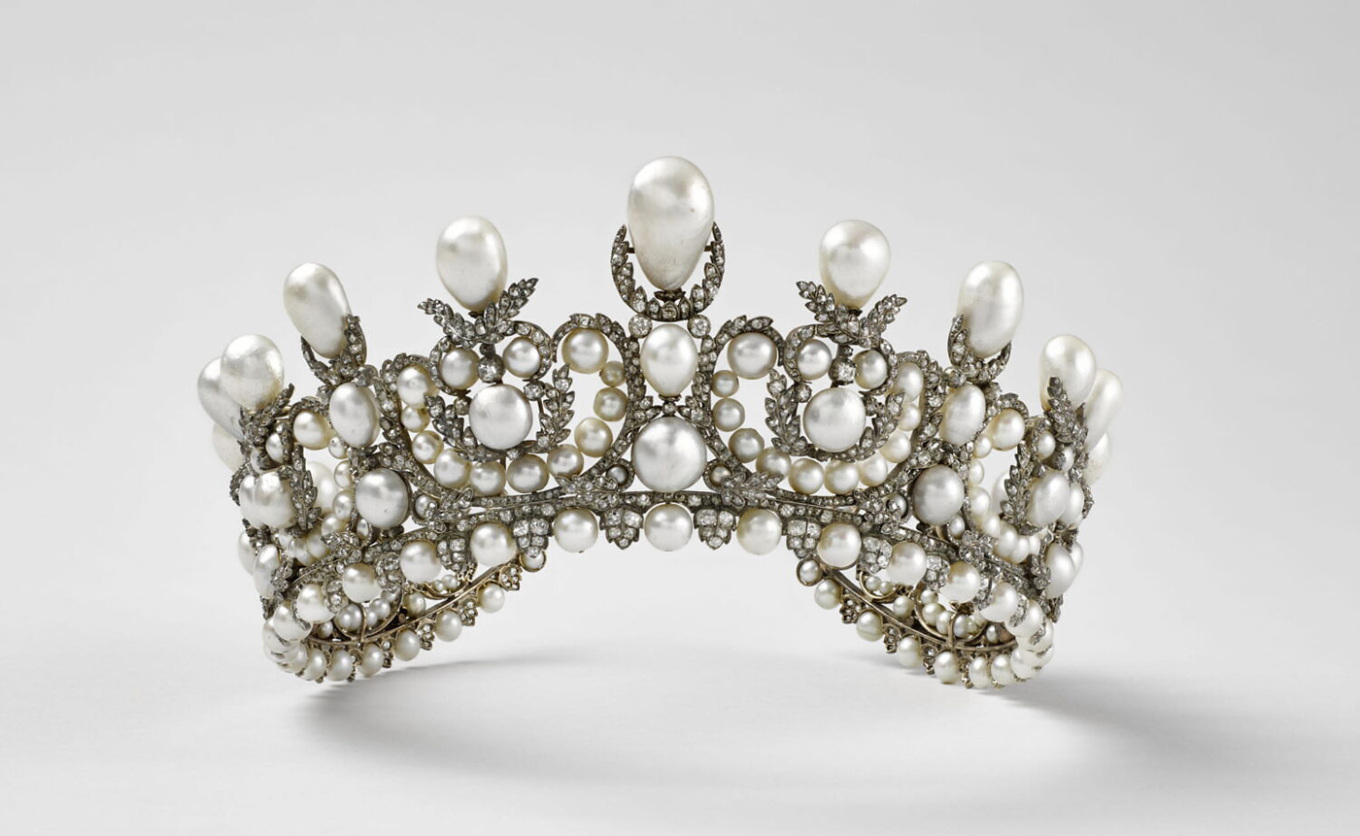
- The tiara of Empress Eugénie.
- Empress Eugénie’s bow brooch set with 2,634 diamonds — for which the Louvre paid €6.72 million to a private collector in 2008.
The stolen jewels:
The tiara from the set of Queen Marie Amalia and Queen Hortense:
The necklace from the sapphire set of Queen Marie Amalia and Queen Hortense:
Earring from the same sapphire set:
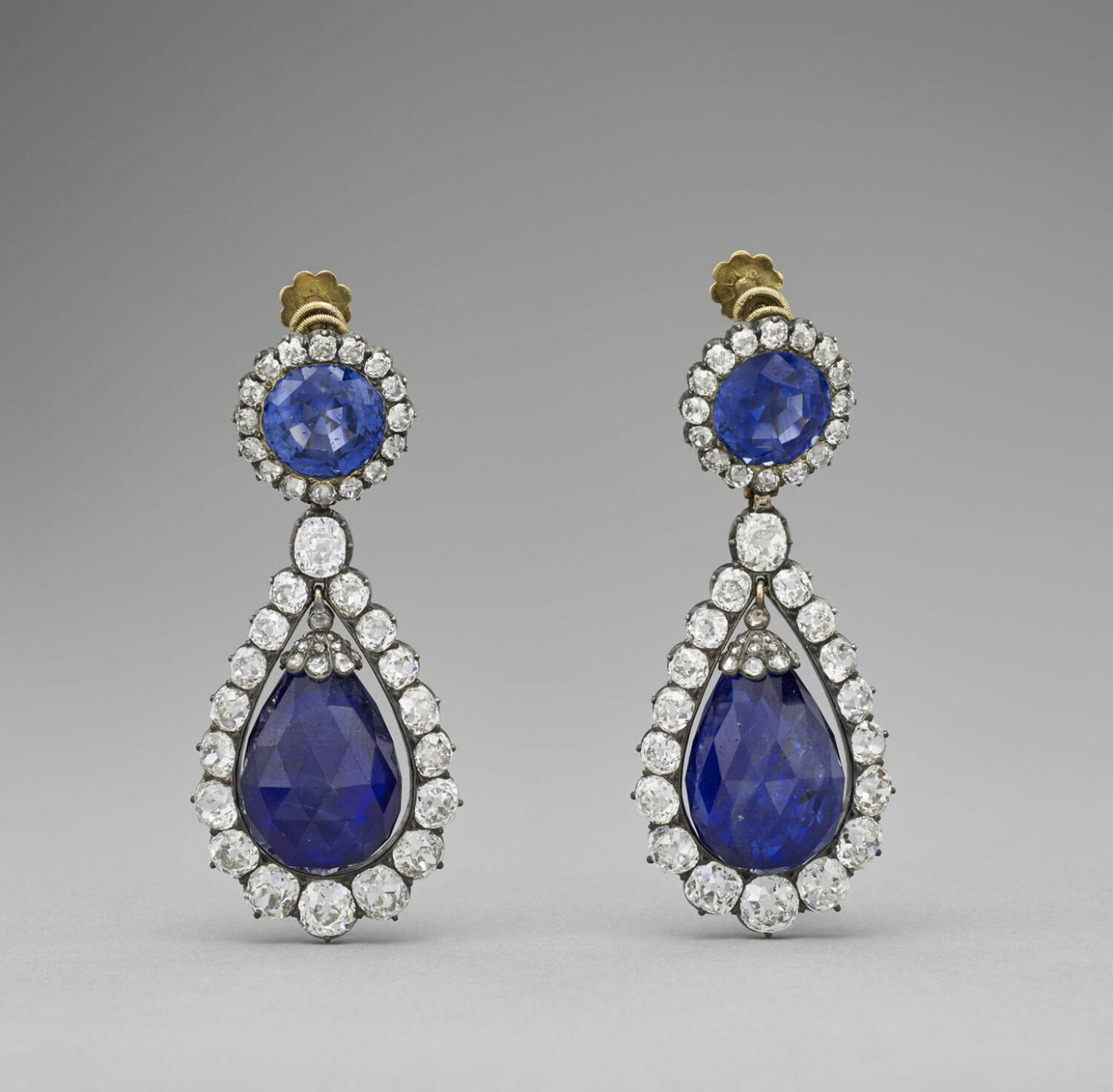
The vivid blue hue of the set comes from rare Ceylon sapphires.
The emerald necklace from Empress Marie-Louise’s jewelry set:
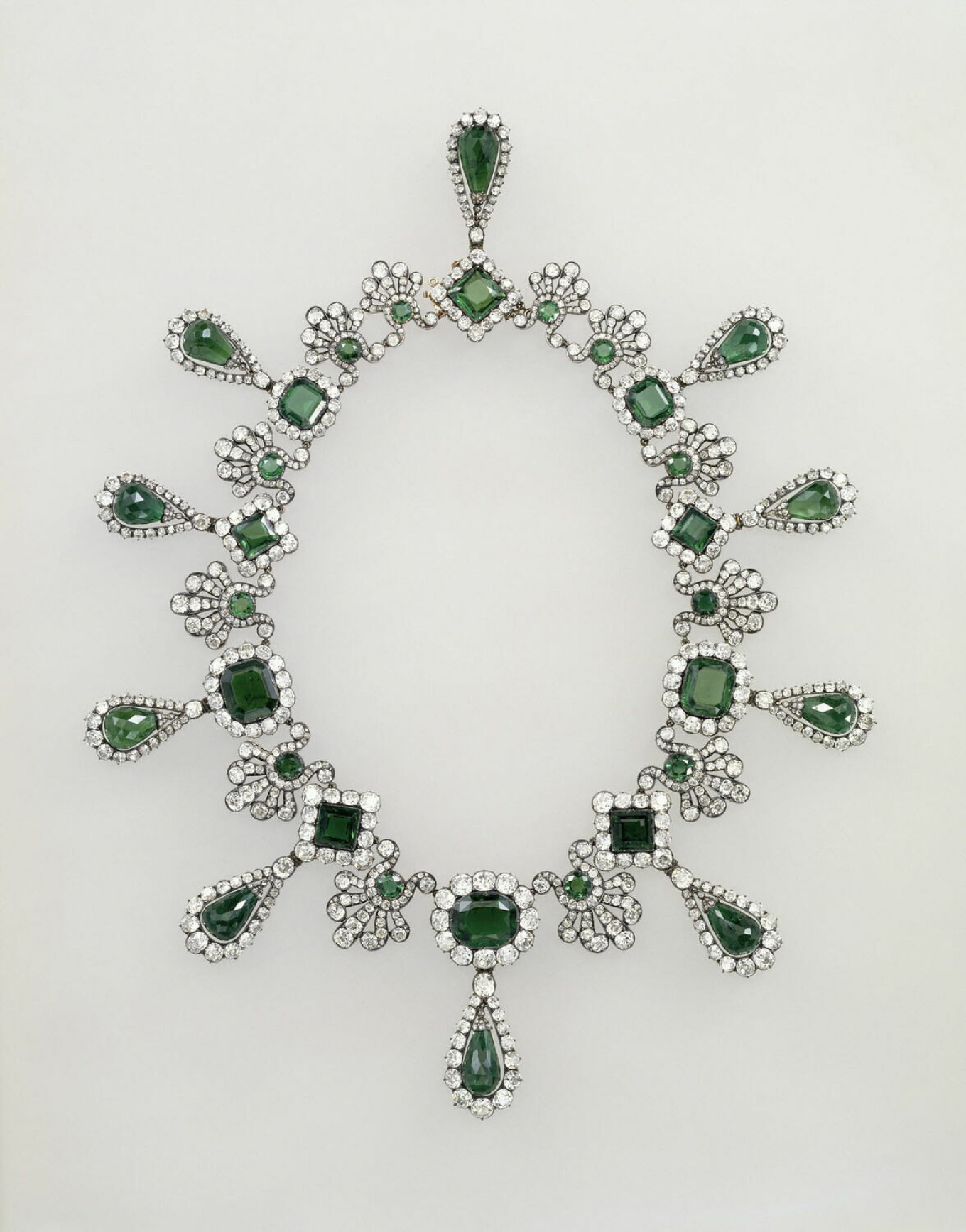
It features 32 emeralds and 1,138 diamonds.
A pair of emerald earrings from the same set.
Brooch known as the “Reliquary.”
Tiara of Empress Eugénie:
Bow brooch of Empress Eugénie:
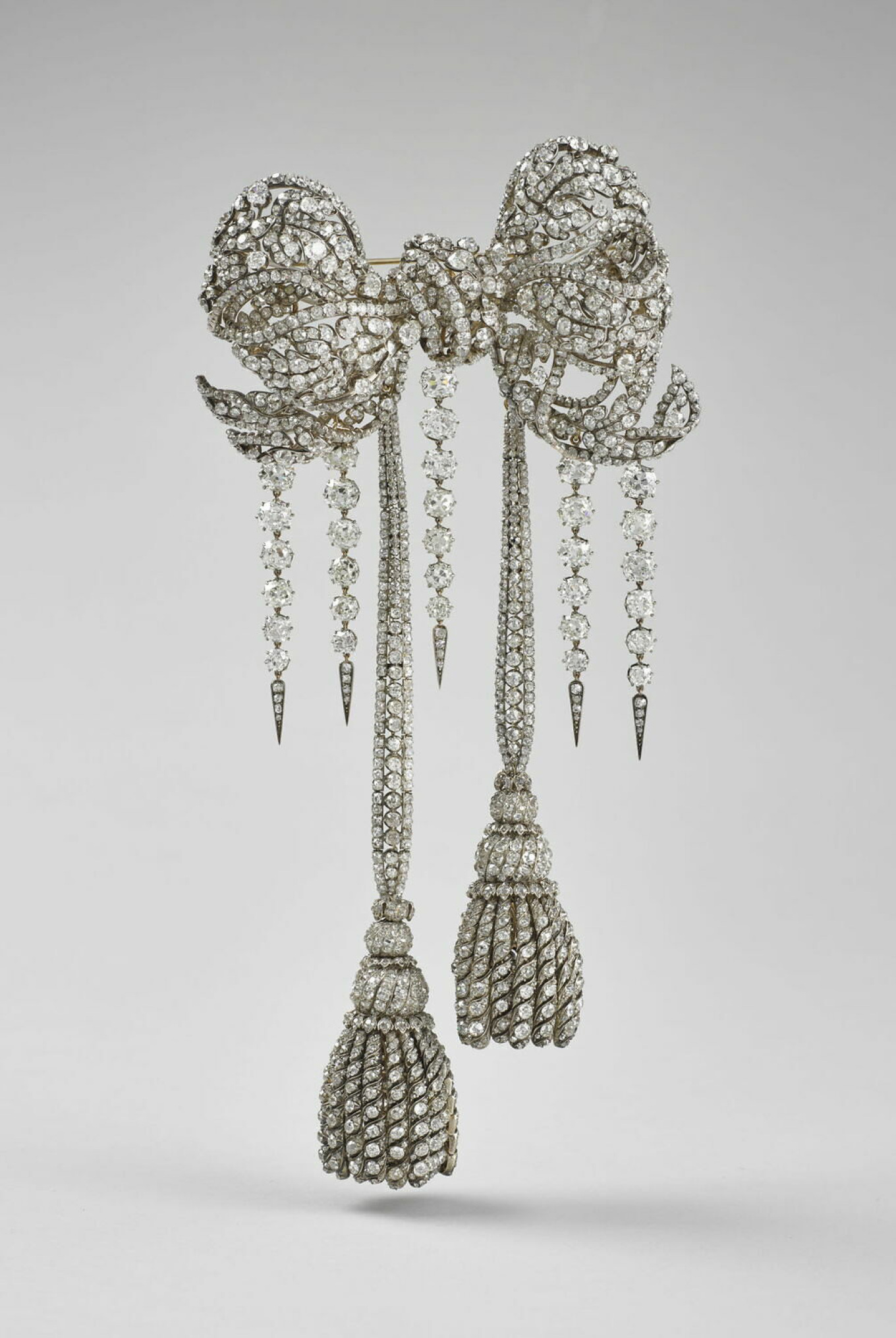
This diamond bow brooch contains 2,634 diamonds and was purchased by the Louvre for €6.72 million. Before its acquisition in 2008, it was part of a private U.S. collection.
The thieves broke into two display cases — one containing the so-called “Jewels of Napoleon” and the other the “Jewels of the French Sovereigns.” The object abandoned outside the museum was the crown of Empress Eugénie, wife of Napoleon III, who ruled France from 1852 to 1870. That crown is set with 1,354 diamonds and 56 emeralds and, according to reports, was slightly damaged during the theft.
The crown of Empress Eugénie was found outside the museum
DIRECT | Selon nos informations, un des bijoux dérobés au Louvre a été retrouvé à l'extérieur du musée
— Le Parisien (@le_Parisien) October 19, 2025
il s'agirait de la couronne de l'impératrice Eugénie qui a été brisée
➡️ https://t.co/p0b8f4vweF pic.twitter.com/2JUcuIqKSL
The Louvre Museum, which welcomes around 30,000 visitors a day, has remained closed since Sunday morning, when it was evacuated immediately after the theft was discovered.
Ask me anything
Explore related questions




