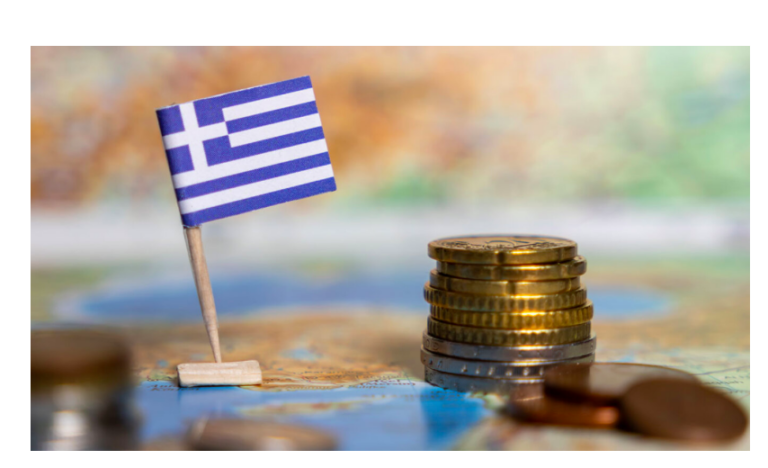
Greece is preparing to make a major step toward reducing its long-term public debt by proceeding with the early repayment of €5.29 billion from the Greek Loan Facility (GLF) of 2010. The move, scheduled for December 15, was approved by the European Stability Mechanism (ESM) and the European Financial Stability Facility (EFSF).
This repayment marks another milestone in Greece’s post-crisis strategy of lowering borrowing costs and strengthening fiscal stability.
A Strong Boost to Debt Sustainability
According to the Finance Ministry, the early repayment will result in €1.6 billion in interest savings that would otherwise have been paid over the next 17 years, until 2041.
In addition, the repayment will offer annual budget relief of roughly €135–140 million, helping to ease future fiscal pressures.
Officials note that the decision sends a powerful signal to international markets, reinforcing Greece’s credibility and supporting expectations for additional credit-rating upgrades in 2026. These upgrades would further reduce the country’s cost of borrowing.
The Loans Being Repaid
The GLF was part of Greece’s first bailout package in 2010, when eurozone member states provided €52.9 billion in bilateral loans to stabilize the country’s finances.
The €5.29 billion being repaid now represents one-tenth of the original facility, which was not due to mature until 2033–2041. These loans carry variable interest rates, currently around 2.3%–2.4%, with earlier periods having seen even higher rates.
A Broader Strategy of Early Repayments
The repayment is part of a wider effort by Greece to reduce its debt burden ahead of schedule. Between 2022 and 2024, the country has already paid off €15.9 billion early. With this latest installment, the total rises to €20.1 billion in early repayments.
When combined with the early clearance of IMF loans (€7.9 billion), Greece has prepaid roughly €29 billion in debt, eliminating around €3.5 billion in interest costs so far.
Why the Funds Cannot Be Used for Social Spending
Some critics have questioned why the billions being used to pay down debt early cannot instead be directed toward social support, especially at a time of economic strain. Government officials emphasize that these funds are stored in a special account legally restricted to debt repayment only.
They explain that:
- Debt repayments are financial transactions, which do not affect the national deficit.
- Social benefits, wages, and similar expenses are fiscal transactions, which do increase the deficit—and therefore the country’s debt and borrowing needs.
While the repayments cannot be diverted to other uses, the interest savings they generate create greater fiscal room for future policies.
A Step Toward Long-Term Stability
As Greece continues to recover from a decade of financial crisis, the government views this early repayment as another strategic move to consolidate public finances, reduce uncertainty, and strengthen the country’s economic outlook.
Officials argue that each step toward lowering debt obligations brings Greece closer to long-term financial independence and greater resilience in the face of global economic volatility.
Ask me anything
Explore related questions