





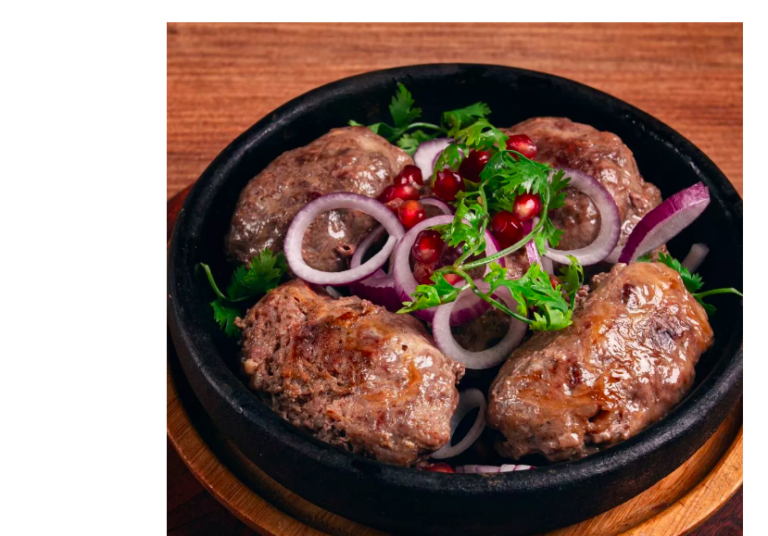
What Are Tzigero-Sarmades?
These are small, tightly wrapped rolls made from lamb or goat offal — mainly liver, lungs, spleen, and sweetbreads — finely chopped and mixed with rice, spring onions, parsley, mint, and other aromatic herbs. This flavorful mixture is then wrapped in arnisia bolia, the thin membrane that covers the animal’s entrails. During cooking, this delicate casing melts away, infusing the dish with a uniquely rich flavor and juicy texture.
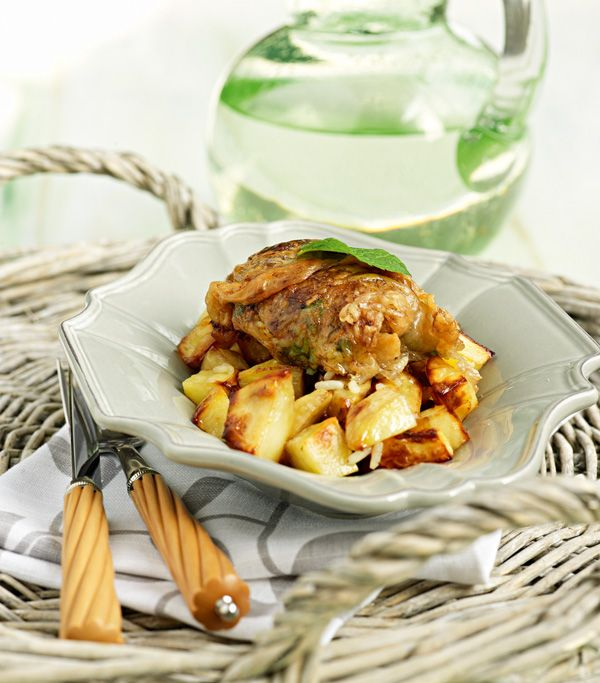
The strong association between tzigero-sarmades and Christmas is no coincidence. It has deep roots in the traditional lifestyle of Greek rural communities. Historically, animals were often slaughtered just before the festive period of the Twelve Days of Christmas (December 25 to January 6), as families prepared for their grand holiday feasts.
Since the offal was extremely fresh and needed to be used quickly, it was turned into meze that could be enjoyed right away. Thus, tzigero-sarmades became a natural and valuable way to make the most of this part of the animal. Moreover, offal was always considered a delicacy, reserved for special occasions rather than everyday meals. This is why the dish took on a festive character, often paired with wine or tsipouro (a traditional Greek spirit).
Today, even though eating habits have evolved, tzigero-sarmades still hold symbolic and nostalgic value. For many, making them is a cherished family ritual passed down through generations, preserving a rich culinary tradition. They remain a favorite winter and Christmas meze, bringing flavor, memory, and heritage to the table.
Ask me anything
Explore related questions




