Amphipolis: The polychromy of the Kasta Tumulus comes back to life with the help of research and technology – When it will open to the public
Work is beginning on the documented reconstruction of the monument’s original decorative appearance, in a collaboration between the Ministry of Culture, the National Hellenic Research Foundation and Demokritos
Newsroom
Δείτε περισσότερα άρθρα μας στα αποτελέσματα αναζήτησης
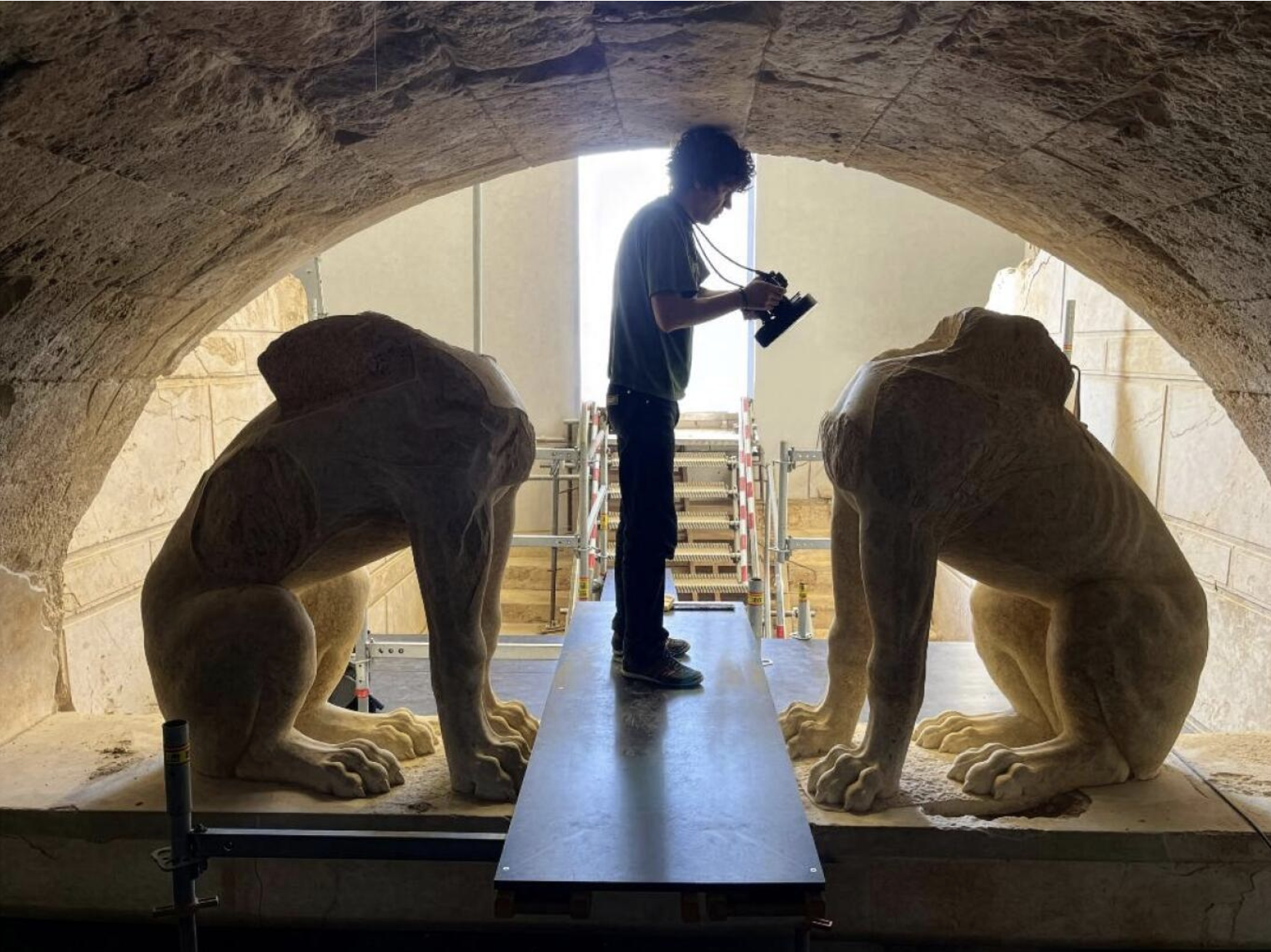
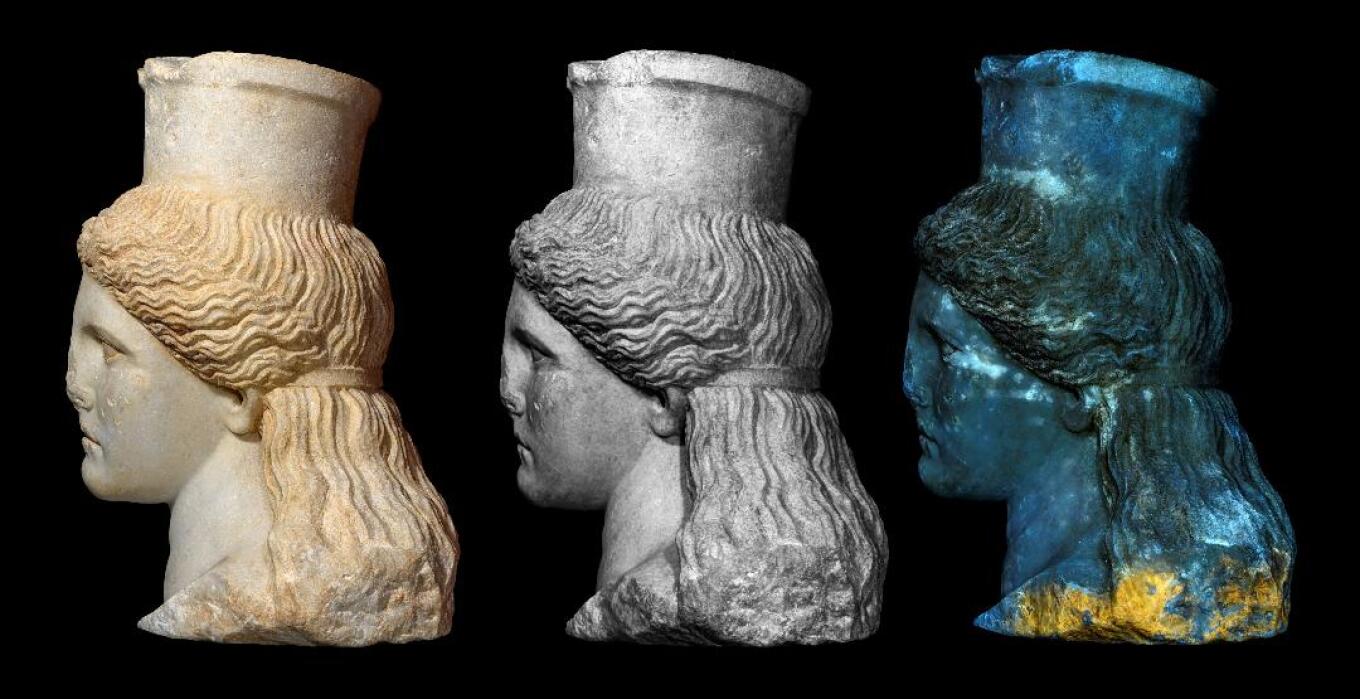
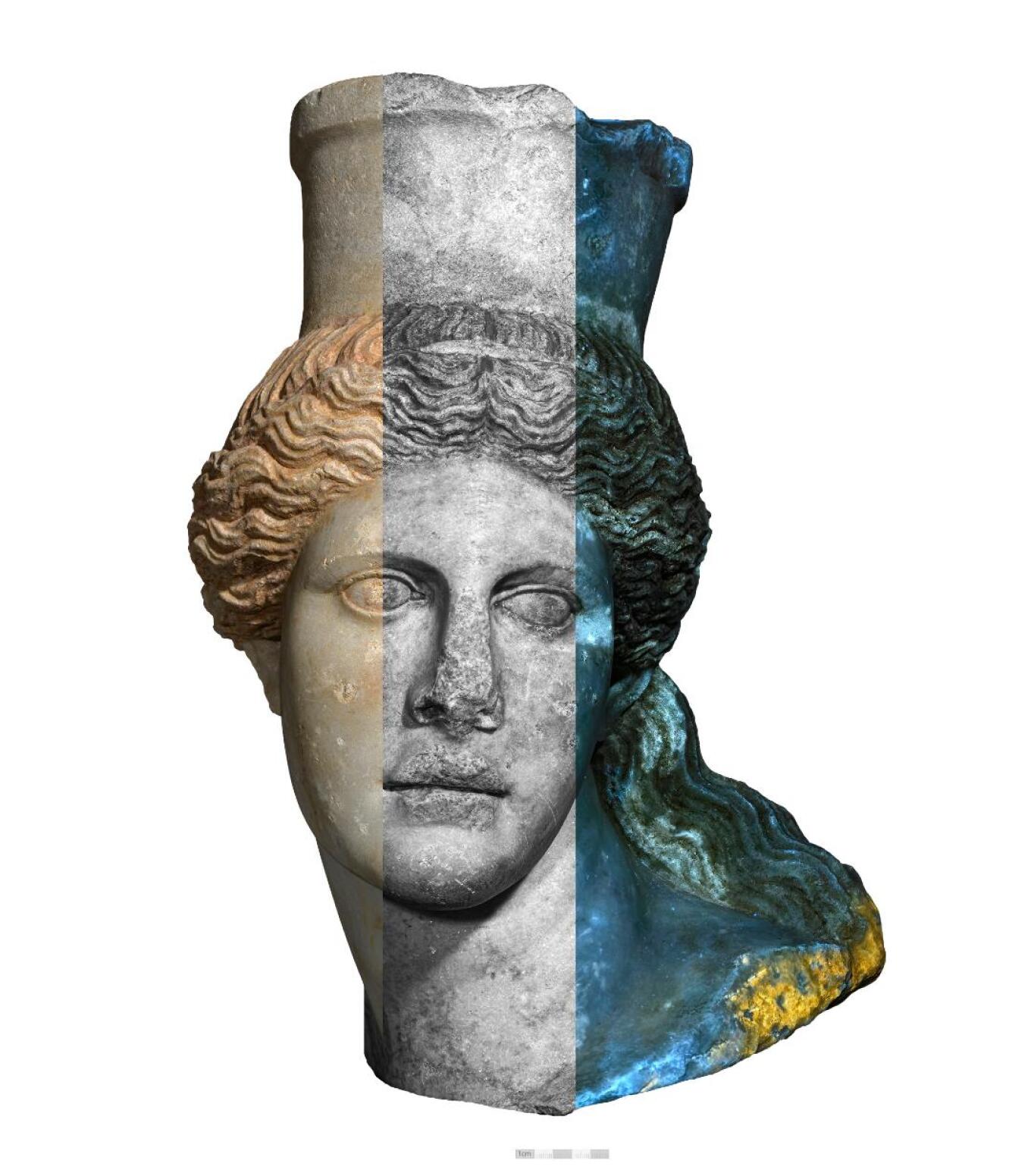
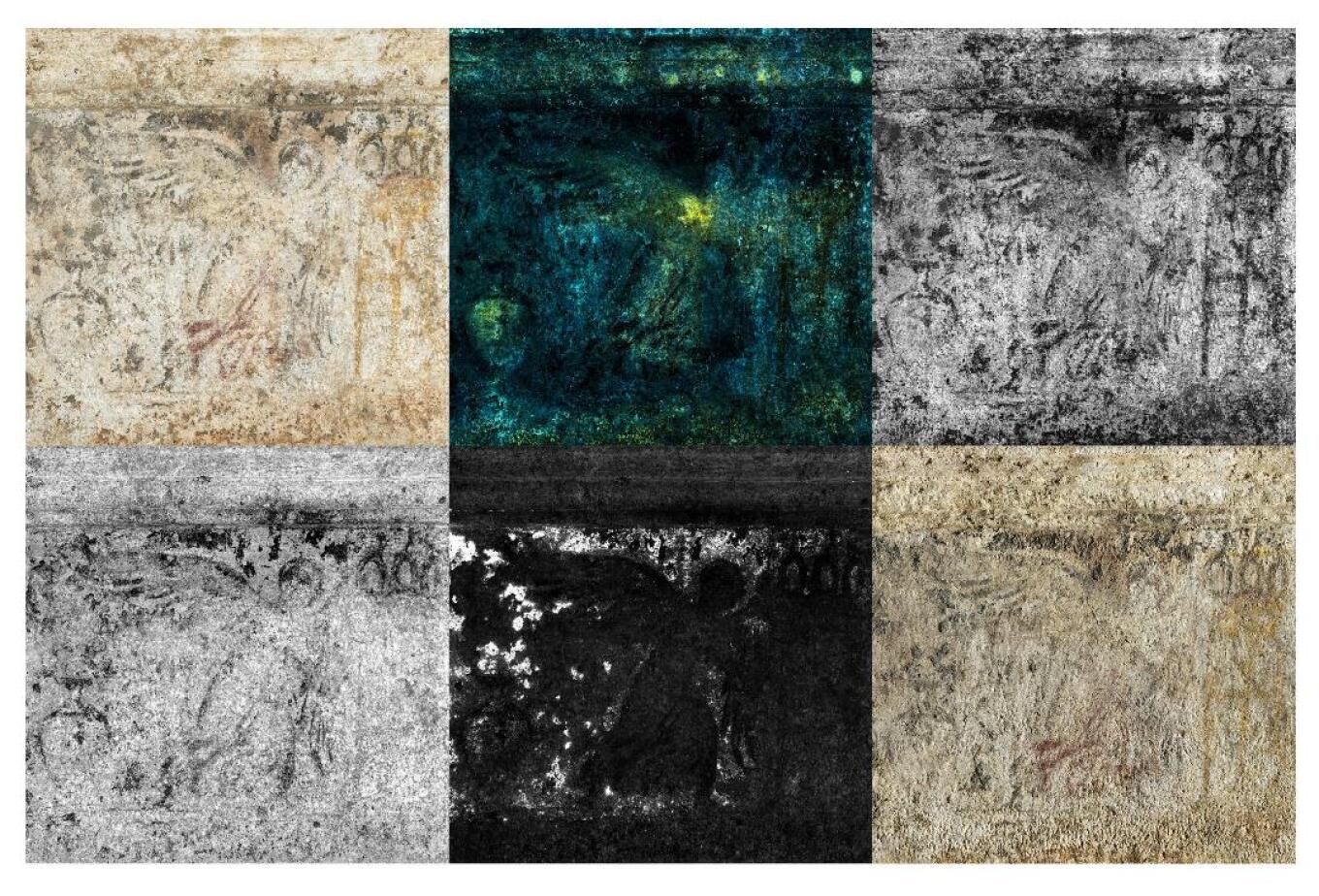
What color were the Sphinxes and the Lion’s base of the Kasta Tumulus in Amphipolis? To what extent did the tomb’s mosaic follow, as a model, the wall painting of the abduction of Persephone from Tomb I at Aigai? And what kind of color combinations decorated the painted marble friezes? These extremely interesting questions are expected to find answers thanks to the creative collaboration of archaeology, museology and modern technology, which aim to reconstruct, as accurately as possible, the monument’s original appearance, with particular emphasis on its polychromy.
The Ministry of Culture, the National Hellenic Research Foundation (NHRF) and the National Centre for Scientific Research “Demokritos” are joining forces through a program contract with a total budget of €660,000, signed today. The goal is the scientifically documented reconstruction of the monument’s decorative appearance, which has been altered by the passage of time, so that future visitors may gain a clear and complete picture—and perhaps new insights into Macedonian funerary architecture.
The research project for the study and highlighting of the polychromy of the Kasta Tumulus funerary monument is titled “AmphiPoly”, and is added to the restoration and enhancement works on the monument. As Minister of Culture Lina Mendoni stated today, these works are expected to be completed by the end of 2027, making the site visitable:
“The first part of the works concerns the restoration and enhancement of part of the peribolos (enclosure wall), the external shaping of the peridromos (circular pathway around the Tumulus), the protection and highlighting of the burial shaft at the last chamber, where the fragmented and anciently violated double-leaf marble door will be reinstalled. Its reinstallation—a technically difficult task—restores the monument’s historical appearance. The second part concerns the construction of the museum and exhibition space, visitor facilities, and the creation of routes within the archaeological site.”
How the color reconstruction will be carried out
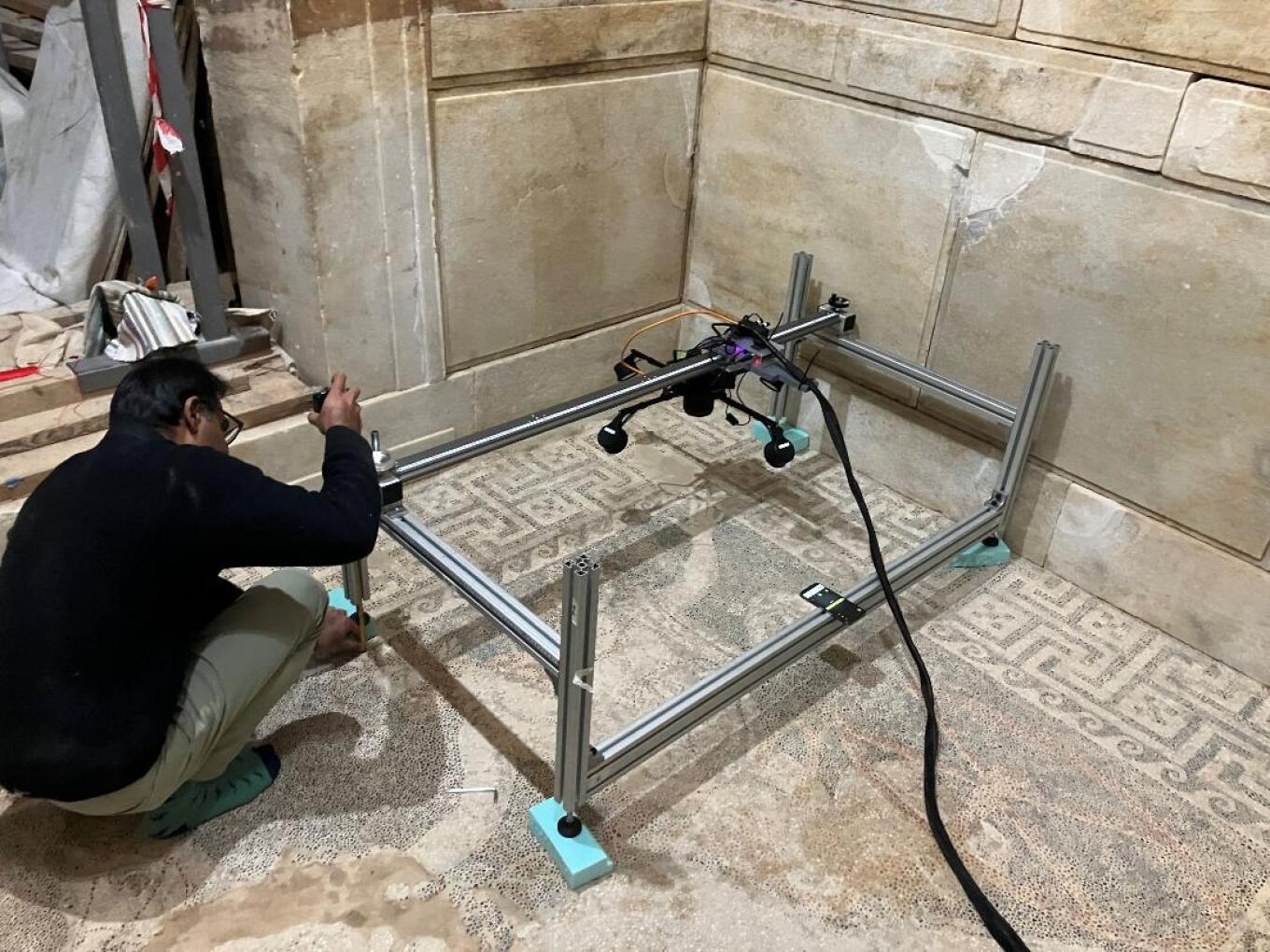
Archaeometric measurements, data derived from historical and archaeological research, and digital tools will be the three main “weapons” for the demanding and groundbreaking task of scientifically reconstructing the polychromy and iconography of the monument. The specialized laboratories of Demokritos, in collaboration with leading international research centers, will conduct archaeometric analyses. At the same time, high-tech digital material such as 3D scanning, visualization tools and interactive data applications will be used.
Digital replicas of key parts of the monument, 3D models and VR videos for museum use will also be created. Visual artists will collaborate on the study and reconstruction of the iconographic elements, using comparative results from spectroscopic analyses and ultra-high-resolution imaging of ancient Macedonian funerary paintings with related iconography, style, and technique.
Evangelos Karkaletsis, President and Director of Demokritos, explained:
“Our research teams—bringing expertise from innovations in X-ray fluorescence (XRF) for studying ancient polychromy, to accurate dating of organic materials and mortars, and the identification of marble origins—will contribute to a deeper understanding of the role and significance of the Kasta Tumulus funerary monument in antiquity.”
Demosthenis Sarigiannis, President of the National Hellenic Research Foundation, added:
“Through interdisciplinary methodologies, advanced non-destructive analytical techniques and high-precision digital applications, we aim to reconstruct as fully as possible the monument’s original color richness and highlight new aspects of Macedonian funerary architecture.”
Finally, Minister Lina Mendoni emphasized:
“Through the AmphiPoly program, we are creating a new, fully documented database while offering the global public modern tools for understanding and experiencing the monument. This project is a model of creative collaboration between archaeology, museology and technology, demonstrating that cultural heritage can be showcased in ways that honor the past and dynamically engage with the future.”