





Greece enters one of the most symbolic tests of its path to restoration within the Eurozone, as Finance Minister Kyriakos Pierrakakis is a candidate for the presidency of the Eurogroup, the forum where the dramatic episodes of the country’s debt crisis were once written, as Bloomberg reports.
In a vote to be held tomorrow, Thursday, Kyriakos Pierrakakis will face Belgian Finance Minister Vincent Van Peteghem for the position of Eurogroup president, the informal “club” of Eurozone finance ministers.
The two candidates have held meetings and “campaigns” over the past two weeks, after emerging as the only contenders for the vacant position created by Pascal Donohoe’s sudden resignation. The winner will chair the monthly meetings of Eurozone finance ministers and represent the euro area at an institutional level internationally.
The likely outcome of the vote, according to Bloomberg, remains unclear, as most European capitals have so far kept silent about which candidate they will support. However, the narrative of “national redemption” promoted by Athens, following years of fiscal adjustment and debt stabilization, is an element that Pierrakakis’s opponent does not have, as Bloomberg notes.
The behind-the-scenes search for the necessary votes
FAZ, one of the most reputable German newspapers, recently wondered: “A Greek at the helm of the Eurogroup?” Tomorrow afternoon, we will know whether the 4th successor of Yanis Varoufakis in the office of Finance Minister will take over the presidency of the powerful, informal collective body. The white smoke will rise from the Europa Building in Brussels, around 6 p.m. Greek time.
The first to know will be the person concerned, 42-year-old Kyriakos Pierrakakis, who decided to run for this informal body’s presidency at the encouragement of Pascal Donohoe, who resigned for a position of power at the World Bank.
It is not a solitary campaign – from the moment it became clear that Greece was already winning simply by submitting a candidacy, seven years after exiting the memoranda, both Kyriakos Mitsotakis and Giorgos Gerapetritis have been “running” to secure support for the Finance Minister.
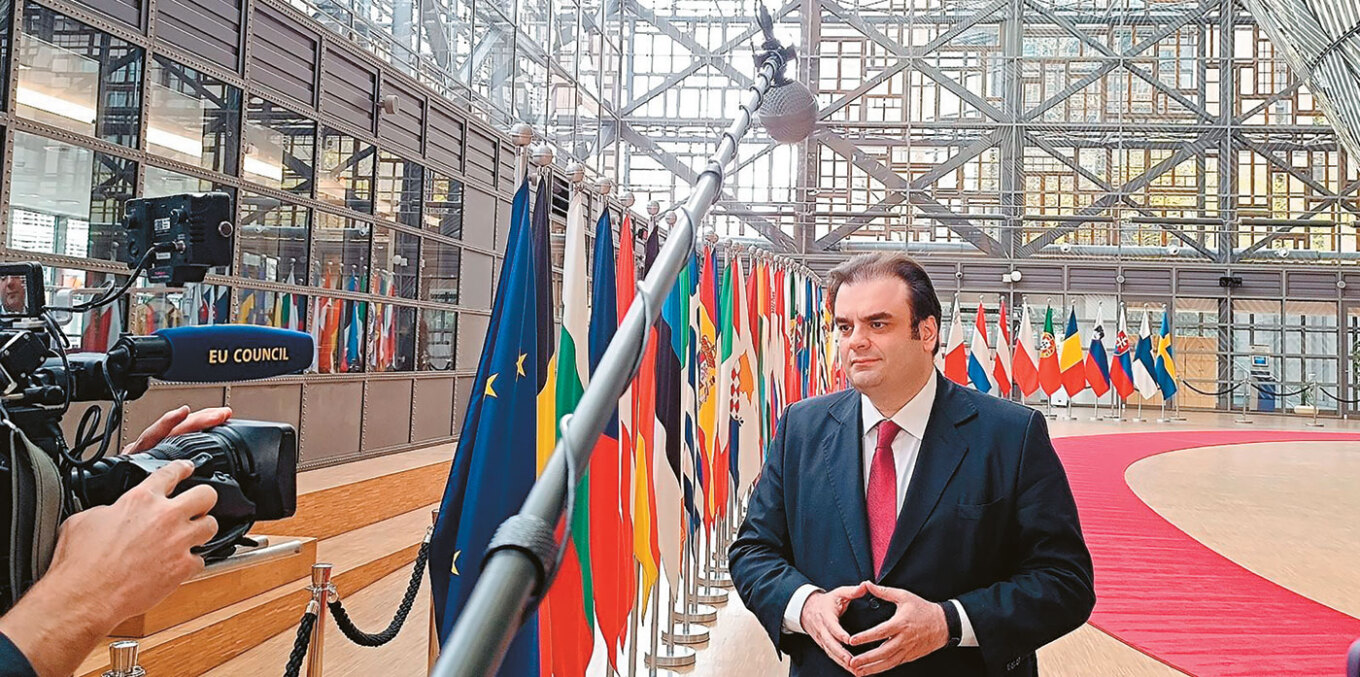
Pierrakakis announced his candidacy in late November and almost immediately departed for Dublin, where he met Donohoe’s replacement, Simon Harris of the Fine Gael party, who at just 39 briefly became Prime Minister before becoming Deputy PM and Finance Minister in the coalition government with Fianna Fail – something like Evangelos Venizelos in 2012–14, but under completely different circumstances.
After their meeting, no mention was made about the Eurogroup presidency – after all, the vote is secret, the electors are only 20, equal to the number of Eurozone finance ministers, and when there is more than one candidate, alliances resemble Eurovision voting. But the warmth of their public statements on Greek–Irish relations left little room for misinterpretation: Douze points from him too, like Makis Keravnos of Cyprus, and… on to the next eight.
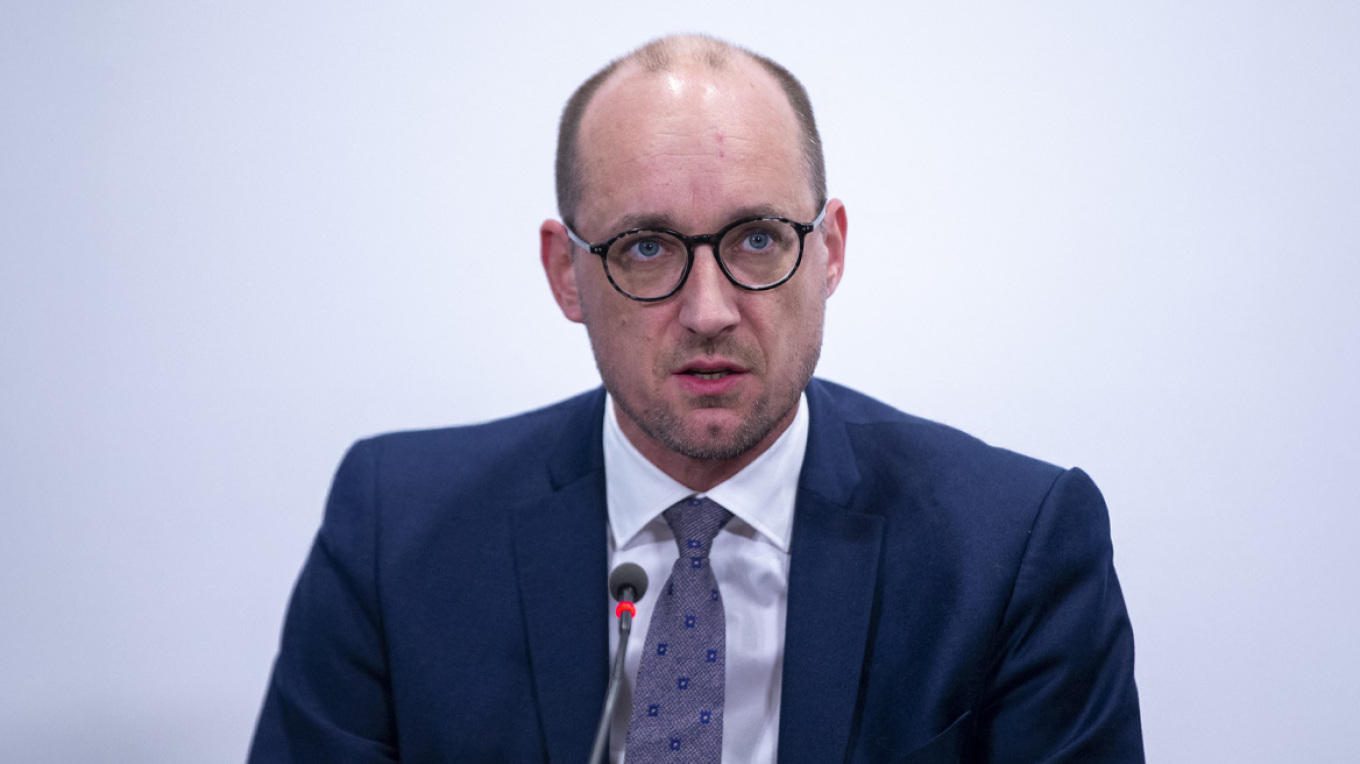
The laudatory FAZ article about Pierrakakis does not necessarily reflect the position of the German governing coalition of Christian Democrats and Social Democrats, but rather the prevailing atmosphere in Brussels, where Pierrakakis’s opponent is based: Belgium’s “Venizelos” – deputy prime minister and finance minister – Vincent Van Peteghem, 45, with five years of experience at the Eurogroup.
The role of the EPP
The Belgian belongs – as Pierrakakis does – to the European People’s Party, which has 7 votes in the 20-member body. The Social Democrats have another 7, the Centrists – basically Macron – reach 4, and there are also two far-right ministers.
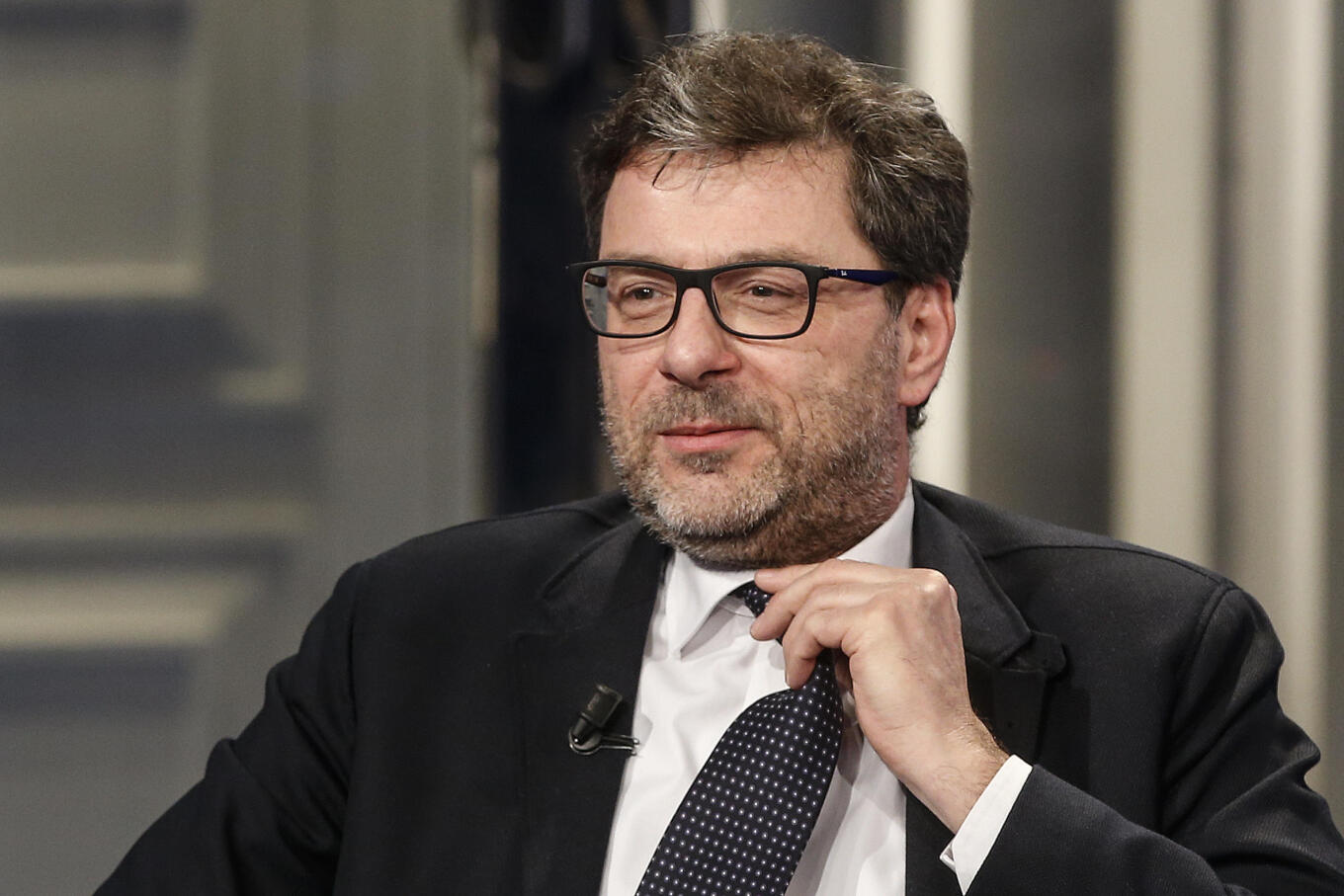
Theoretically, one of the latter is Giancarlo Giorgetti, the 55-year-old Finance Minister of Italy, son of a fisherman, who previously served in Mario Draghi’s government and is considered pro-European – at least by the standards of the Meloni government.
Giorgetti called Pierrakakis while the latter was in London for the Morgan Stanley roadshow and asked him to return to Greece via Rome to meet. Did he also call the Belgian? No. What will Italy do in the vote? The vote is secret, but the answer remains simple: What meows on the roof?
The biggest problem for the Belgian, however, lies with the eastern countries that joined in the 2004 enlargement – specifically those in the Eurozone: Lithuania, Latvia and Estonia. The reason is the notorious issue of the €145 billion in frozen Russian assets that the Commission wants to use as collateral for loans to rebuild Ukraine, but the Belgians – who hold the assets – fear potential legal (and financial) entanglements with Moscow after the war.
This has turned Belgian relations upside down with all Eastern European countries, which desperately want economic “punishment” for Russia. The consequences are expected to be multilayered – and certainly more important than a handful of votes in the Eurogroup presidency. It is telling that Chancellor Merz postponed another official trip to dine with Belgium’s PM on Friday evening to attempt to solve the Gordian knot, but managed only to raise the possibility that all EU countries share the political and financial responsibility – something that might be discussed at the next summit, i.e., after the Eurogroup election.
As for this specific vote, Germany has not disclosed its position – yet Austria’s Social Democrat Finance Minister, Markus Marterbauer, is said to have strongly criticized the Belgian’s candidacy. Given Vienna’s traditional closeness to Berlin, one could infer much.
Support from the South
The Greek side – since Pierrakakis is not running the campaign alone, as the Prime Minister is actively involved and recently dined with EPP President Manfred Weber on November 27 before the official candidacy announcement – estimates it will receive support both from the Iberian countries and from France, where Pierrakakis visited before heading to Brussels for the final contacts before the vote.
The Germans return
The first Eurogroup president from 2005 to 2013 was “our own” Jean-Claude Juncker, who enjoyed three carefree years before the crisis erupted following the collapse of Lehman Brothers in autumn 2008, spreading months later – with Greece as the main, but not only, victim.
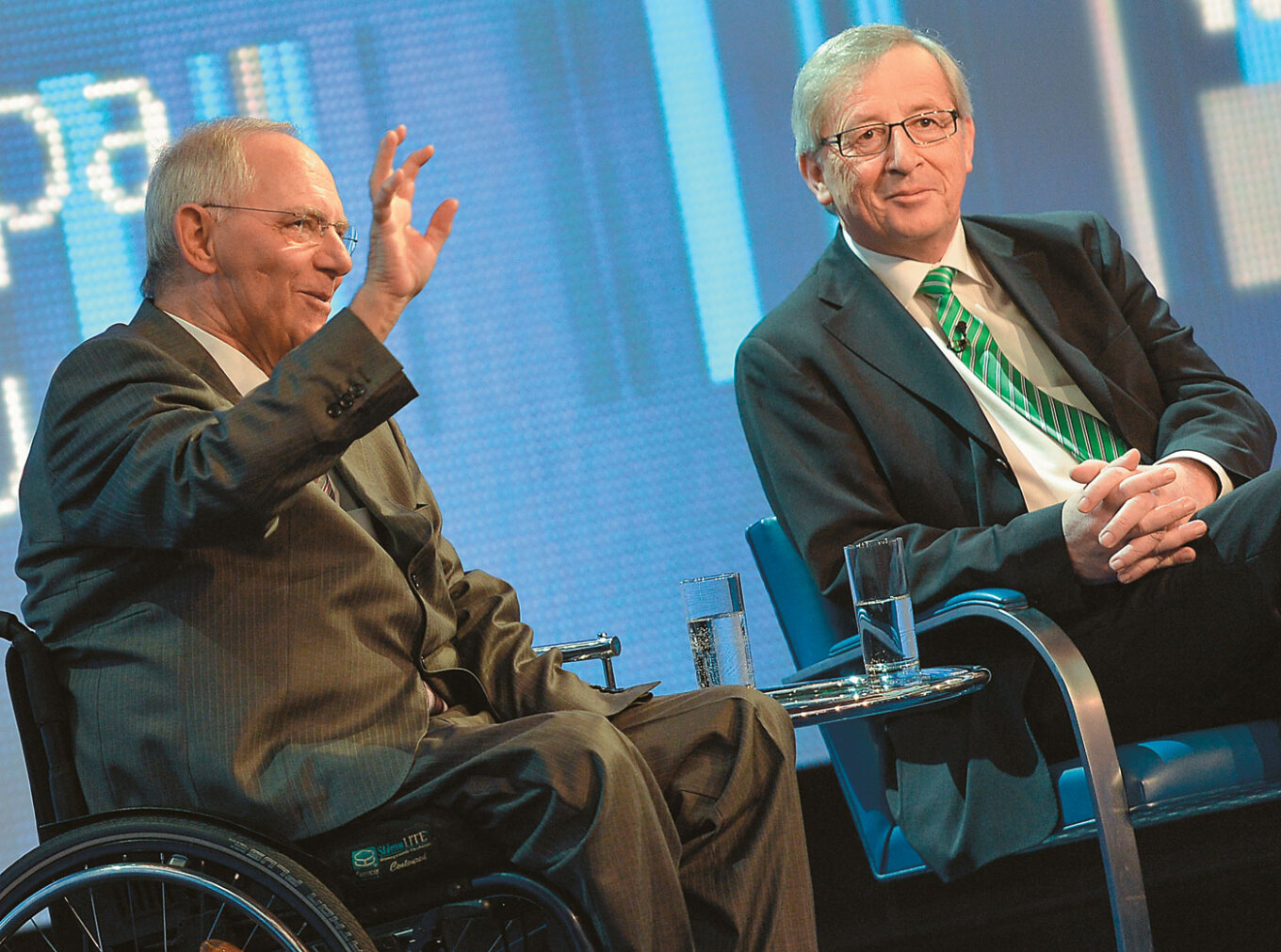
Schäuble and Juncker
In November 2009 came the rather inglorious debut of Giorgos Papakonstantinou at the Eurogroup, as Finance Minister of George Papandreou’s government, which had been elected one month earlier with the “there is money” slogan, regardless of what it meant. With Wolfgang Schäuble present, Juncker greeted Papakonstantinou with the infamous “game over,” which was not immediately understood in Athens. Another five months would pass – reaching May 2010 – when Papakonstantinou specified the cuts included in Papandreou’s Kastelorizo speech.
Shortly after, Christine Lagarde gave an interview recalling that the last Finance Minister under Kostas Karamanlis, Giannis Papathanasiou, had attempted to jot down deficit-reduction measures (which he never implemented) on a greasy napkin…
Time passed, the Papandreou government kept implementing cuts to meet the bailout conditions, until summer 2011 when the real Eurogroup president, Wolfgang Schäuble, began to lose patience with Greece – and in private meetings started suggesting to Evangelos Venizelos, by then Finance Minister, the option of leaving the euro.
Grexit became visible to the naked eye in early 2015, when Alexis Tsipras appointed Yanis Varoufakis Finance Minister in order to enact the era’s slogan: that with the SYRIZA–ANEL government, “real negotiation” with creditors would begin.
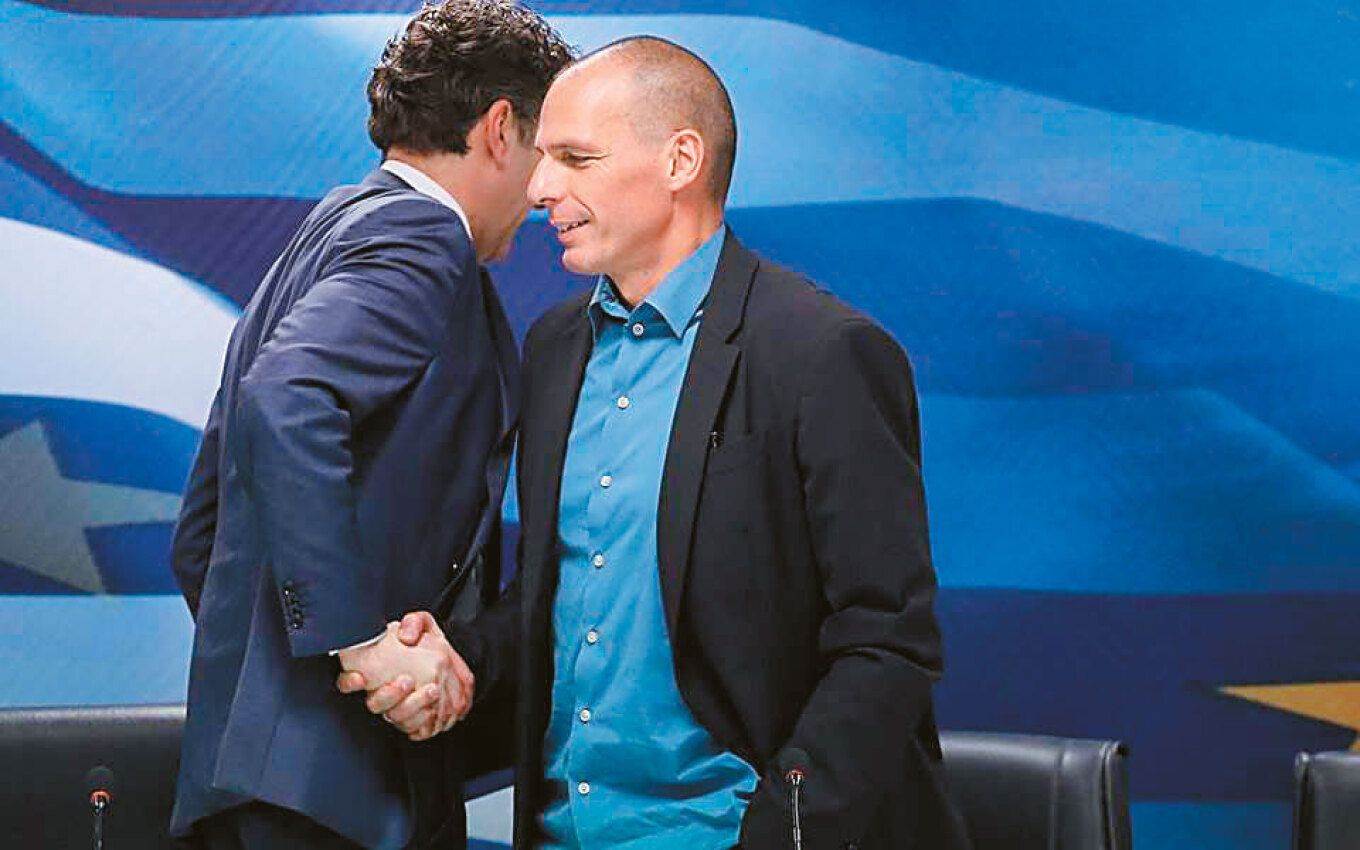
The famous Varoufakis–Dijsselbloem handshake that recalls the darkest hours of the country’s ordeal under SYRIZA
Almost immediately, Varoufakis created a diplomatic incident with Jeroen Dijsselbloem, who had succeeded Juncker and had come to Athens to meet Tsipras and his minister. During the press conference at the Ministry of Finance, when Varoufakis said the Greek government had no intention of cooperating with the creditors, Dijsselbloem whispered: “You just killed the troika.”
“Wow…” replied Varoufakis, apparently believing he had achieved something…
The 17-hour negotiation
Ultimately, everything was decided in the 17-hour negotiation of July that year – not at the Eurogroup, but at the Summit, with Varoufakis absent. The Greek drama ended with the signing of the €86 billion third memorandum – three years later, Greece exited the memoranda and Alexis Tsipras went to the Zappeion wearing a tie to celebrate.
In summer 2018, Greece exited the crisis having lost 25% of its GDP. A few years earlier, Latvia – which has a Eurogroup vote since 2014 – lost 19% of its GDP in a single year (2009) due to the global crisis, but through very harsh austerity returned to high growth rates (though not higher living standards) within a year.
Portugal and Ireland, the other Eurozone countries besides Greece that signed memoranda, did not need more than three years to exit them. Greece needed eight…
Today, those times seem distant. Things have changed dramatically, both globally and in Europe. The war in Ukraine reshaped global competitiveness – as some countries, like China and India, benefited from the EU’s embargo on Russian oil, securing far better prices than Germany and France. The puzzle is completed by Trump’s tariffs – an issue requiring a joint European response, as does the battle for AI technology. The next Eurogroup president’s chair will have plenty of nails…
Photos: Getty images / Ideal Image
Ask me anything
Explore related questions




