A prisoner gave names but later withdrew them, leading to the dismissal of the case. Sotiris Tsafoulias turned the story into a TV series.
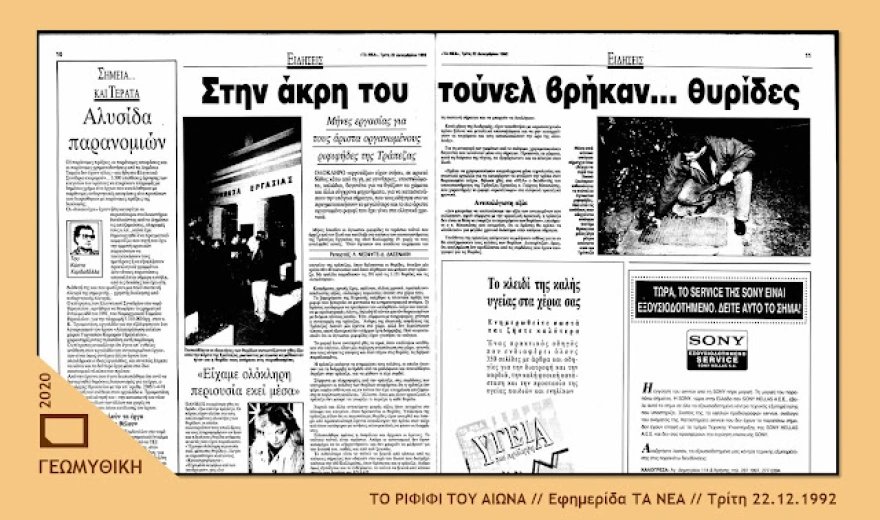
The biggest burglary in Greece, with loot worth over 14 million euros today, was discovered just before Christmas in 1992. Unknown criminals dug a 25-30 meter tunnel under the Ilisos river to break into 301 safety deposit boxes at the Employment Bank.
Police found damaged safety deposit boxes in Vravrona, suggesting the criminals escaped by sea. A Syrian prisoner named a suspect but later withdrew his accusations, and all suspects were cleared. Cosmote is producing a 6-episode series about the case.
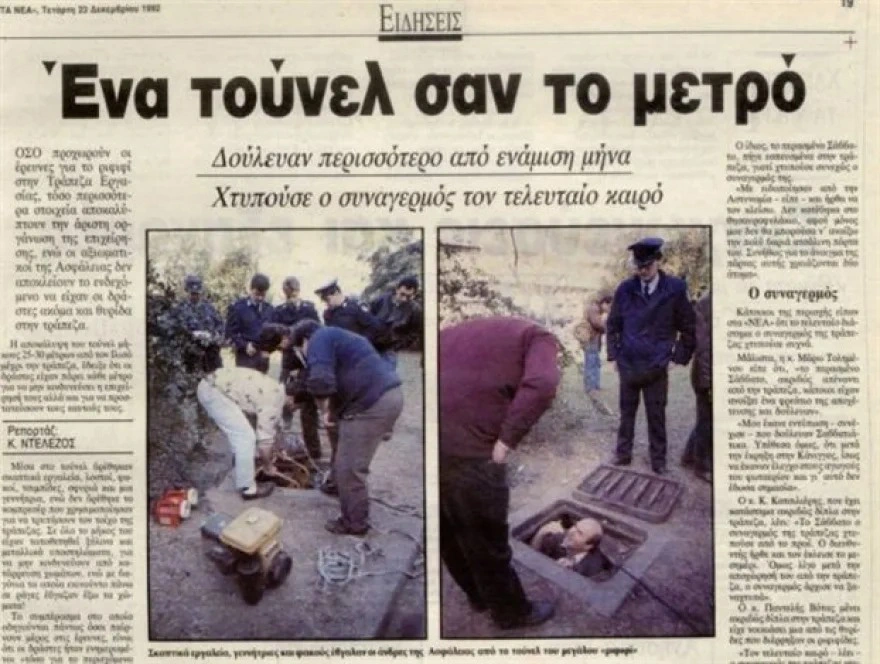
The Tunnel Under the Ilisos River
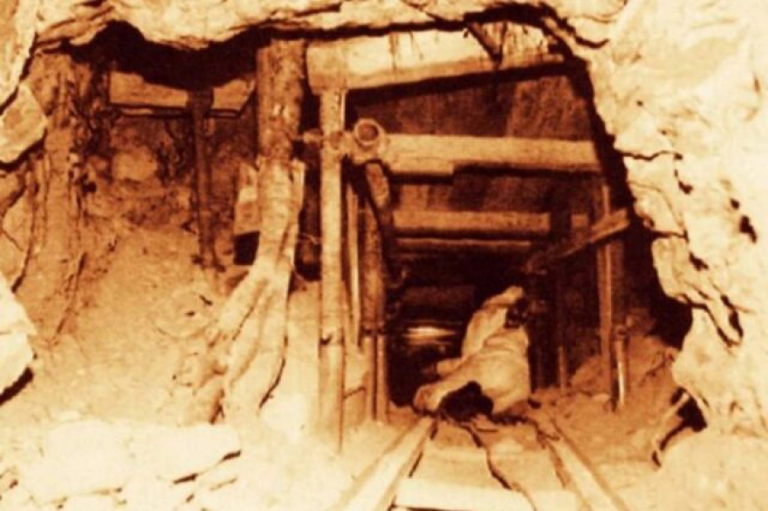
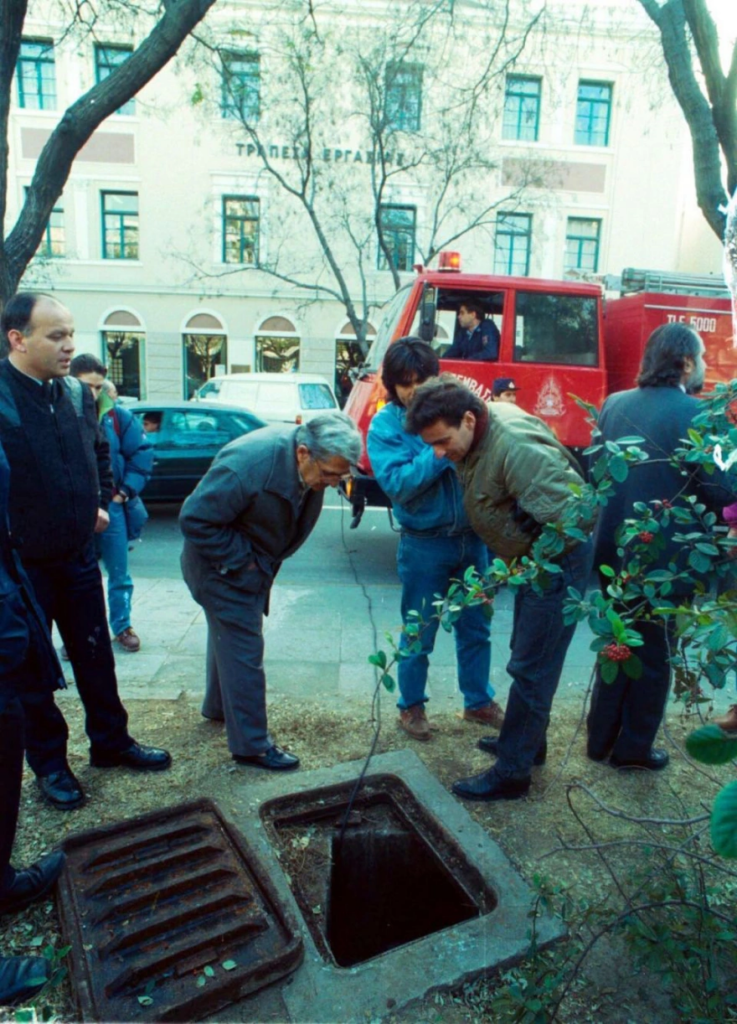
The criminals dug a tunnel starting from a manhole of the water company (EYDAP) on the left bank of the covered Ilisos river, reaching beneath the bank’s basement where the safety deposit boxes were located.
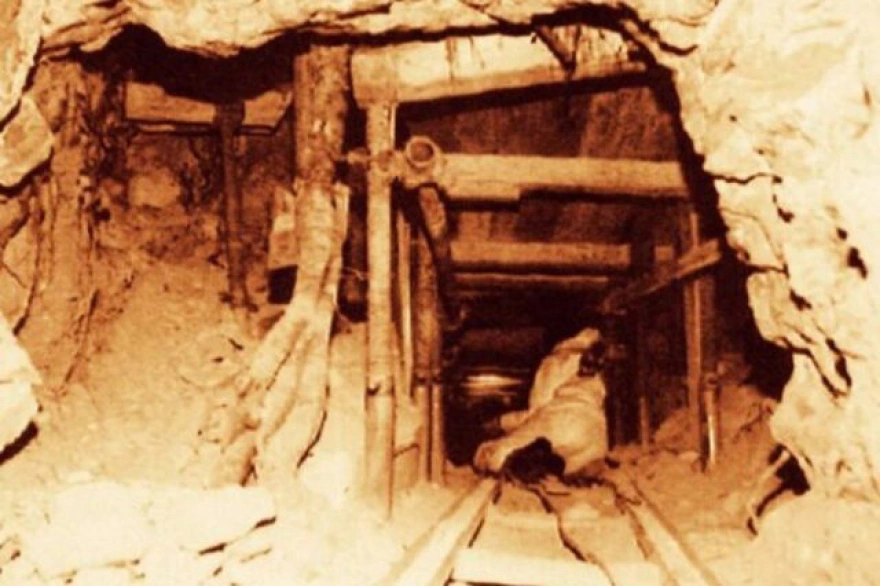
The tunnel was built over three months with strong supports, thick beams, double rails, and used a generator and jackhammers for digging. A small cart ran on the rails to remove the excavated material.
Once under the basement, they drilled through 60 cm of concrete, broke into nearly one-third of the boxes, and stole everything inside.
Police Investigation and Findings in Vravrona
Police were surprised by the tunnel’s technical quality. The criminals used generators and jackhammers without being detected.
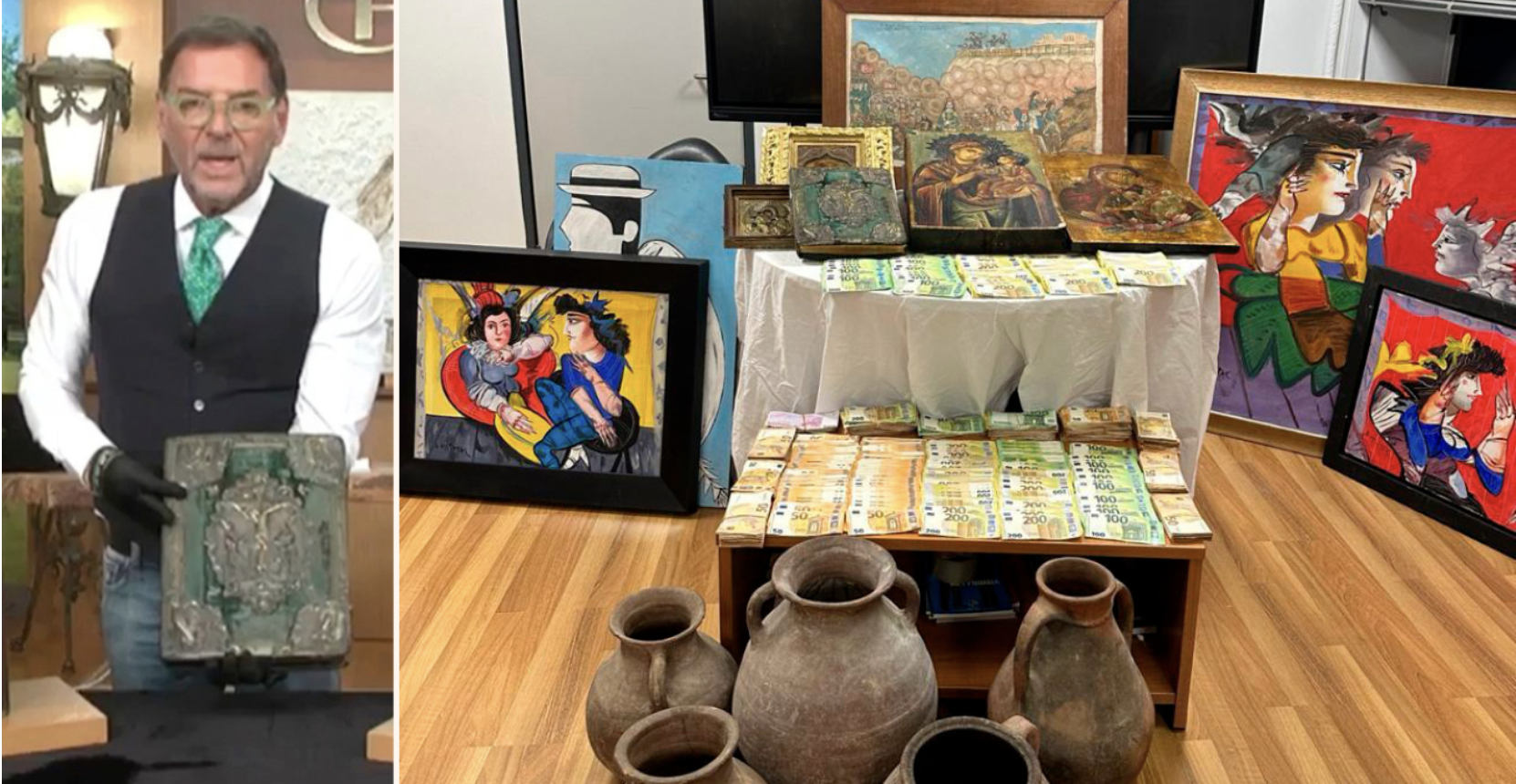
Initial investigations found no leads. On January 12, broken safety deposit boxes were found by chance on the beach of Vravrona, with some checks and bonds inside. Police concluded the criminals probably escaped by sea with the loot.
The Syrian Prisoner, Arrests, and Retraction
In July 1994, a Syrian prisoner in Korydallos prison named the suspects: the bank’s deputy manager, Anagnostis Kalafatis, post office employee Lambros Kotsalos, and businessmen Stelios Kolovos, Dionysis Papastamatos, and Manolis Spanoudakis.
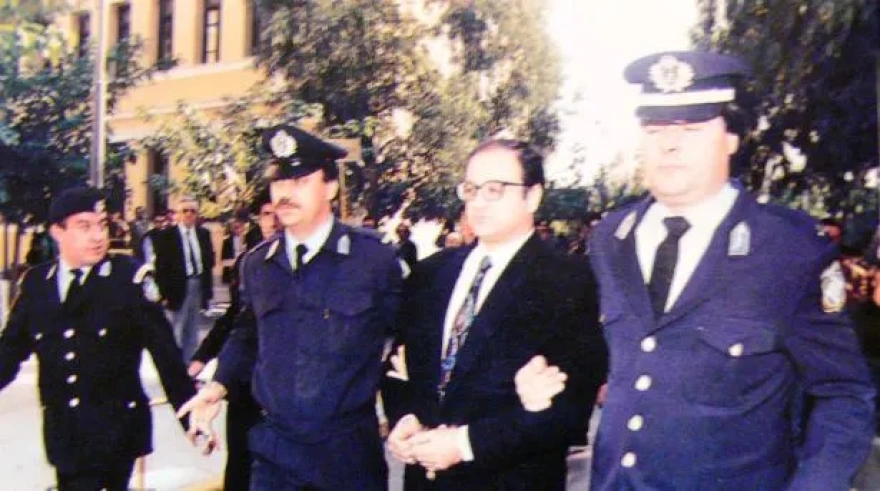
The prisoner claimed he participated in the burglary, building the tunnel supports. After receiving less money than promised, he reported the others to the police. Arrest warrants were issued. Kalafatis and Papastamatos were detained, Kotsalos was released under conditions, and Kolovos and Spanoudakis fled and were wanted.
In November 1994, the prisoner retracted his claims in a TV interview and in a letter to the investigator in January 1995.
Papastamatos and Kalafatis were released. In April 1995, Kolovos was arrested after returning from abroad, claiming to gather evidence for his innocence. In September 1995, all five were cleared of charges by a court decision.
The case was closed and remains unsolved.
The Employment Bank offered a reward of 200 million drachmas, hoping for information, but nothing came forward.
The case attracted attention in Greece and abroad, with theories about the perpetrators. Some suggested involvement of the Revolutionary People’s Struggle terrorist group, others the Italian mafia, due to similar recent burglaries.
Journalist Panos Sombolos said in 2021 that the burglars had advanced technical skills and likely sent the loot abroad. The boxes opened were not targeted but chosen randomly. Likely, the victims were never compensated.
Ask me anything
Explore related questions