





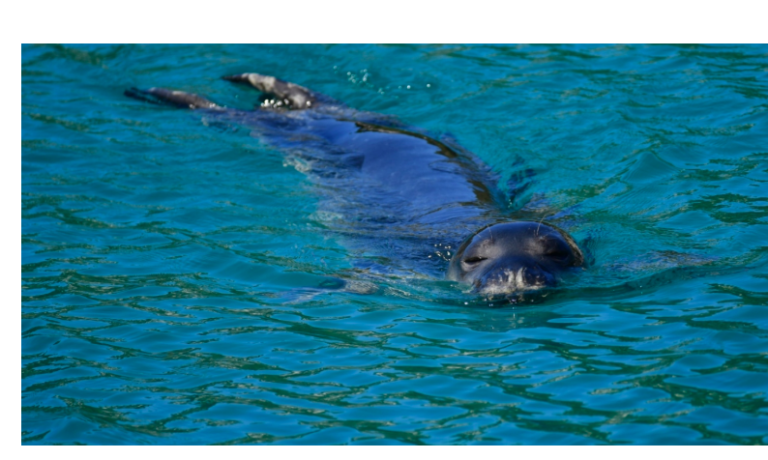
The Mediterranean monk seal (Monachus monachus), one of the world’s rarest marine mammals, is showing signs of recovery in Greek waters. However, the rapid and largely unregulated growth of marine tourism threatens to reverse decades of conservation progress.
This is the conclusion of a report by The Guardian, which highlights Greece’s pivotal role in the survival of the species, while also pointing to serious shortcomings in the enforcement of protection measures.
According to data from the Hellenic Society for the Study and Protection of the Monk Seal (MOm), the monk seal population in Greece is currently estimated at around 500 animals—nearly half of the global population, which remains below 1,000 individuals worldwide.
In 2023, the International Union for Conservation of Nature (IUCN) upgraded the species’ status from “endangered” to “vulnerable,” following decades of conservation efforts.
A key pillar of protection is the National Marine Park of Alonnisos and the Northern Sporades, the largest marine protected area in Greece and a critical breeding habitat for the monk seal. On islands such as Piperi, access is strictly prohibited and allowed only to researchers with special permits from the Organisation for Natural Environment and Climate Change.
According to scientists and park wardens, the fact that seals are once again appearing and resting on open beaches is seen as a positive sign that protection measures are having an effect.
The situation is less encouraging elsewhere. As The Guardian reports, the rapid expansion of marine tourism and recreational boating—especially in areas with limited monitoring—has become one of the most serious modern threats to the species. Monk seals are highly sensitive to human presence, and disturbance in breeding areas can prove fatal for newborn pups.
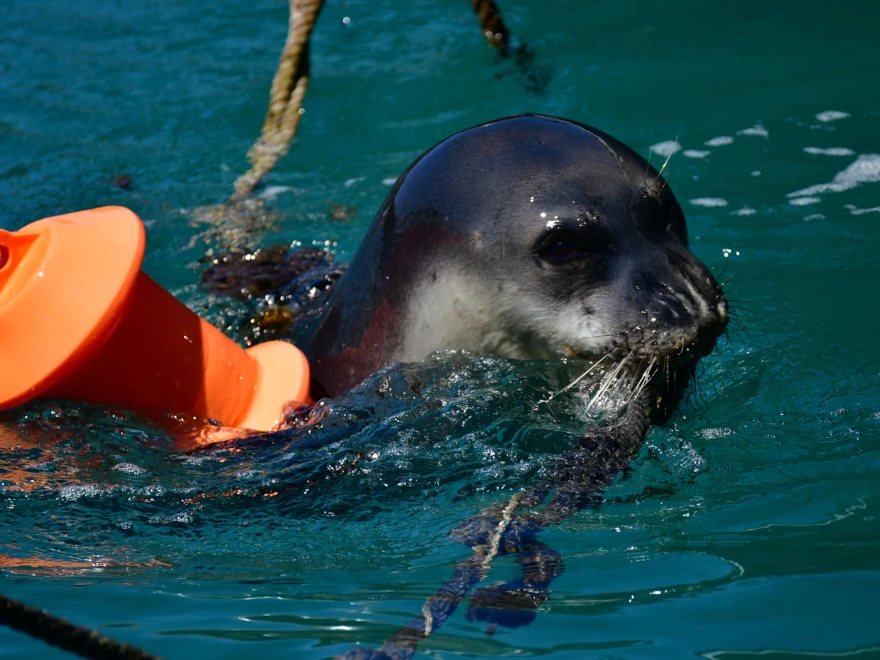
A telling example is the islet of Formikoula in the Ionian Sea, an important habitat located within one of the Mediterranean’s busiest sailing zones. Although a 200-metre exclusion zone has recently been established around the island, scientists report frequent violations.
According to marine biologists, seal sightings in the area have declined noticeably in recent years. There have also been documented cases of people entering breeding caves, leading to the separation of mothers from their pups.
Seals that once gave birth on open beaches have increasingly retreated into sea caves due to human pressure. While caves offer some isolation, they are often unsuitable environments, as strong wave action can result in injuries or the loss of newborns.
At the same time, coastlines that were once remote are now easily accessible to day boats, rental vessels, and private yachts.
Last summer, awareness-raising initiatives such as the national “Seal Greece” campaign were implemented, and in October the creation of two new large marine protected areas was announced. Environmental organizations stress, however, that the core issue is not legislation alone, but the effective enforcement of protection measures.
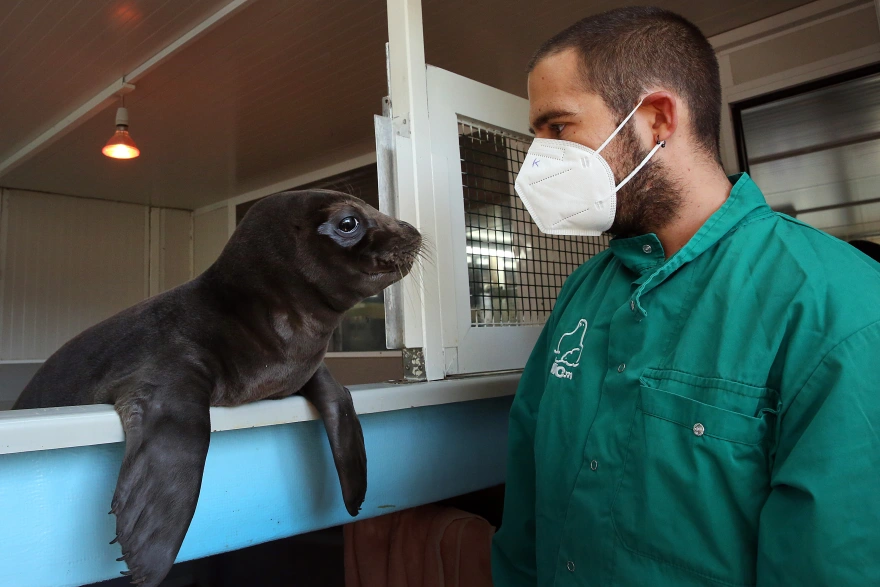
According to a study by nine environmental organizations cited by The Guardian, only 12 of Greece’s 174 Natura 2000 marine sites currently have an operational protection regime—often fragmented or temporary. The organizations describe these areas as “parks on paper,” calling for more wardens, patrol vessels, and effective monitoring mechanisms.
As experts emphasize, Greece—home to the largest share of the global monk seal population—bears a decisive responsibility for the species’ survival. The recovery achieved so far is fragile, and without meaningful protection of critical habitats, it risks being undermined by increasing human activity in Greek seas.
Ask me anything
Explore related questions




