Greek ports are no longer merely gateways for trade and shipping. In recent years, they have been transformed into key points of a larger geopolitical puzzle, in which Greece assumes the role of a “bridge” between the United States and Europe. Behind tenders, investments, and infrastructure upgrades, a plan is unfolding that links energy, defense, and transport security. What exactly is being planned, which ports are at the center, and what moves are taking place away from the public eye form a canvas of intense strategic interest.
The U.S. intention to utilize critical port infrastructure in Greece is neither piecemeal nor temporary. It is part of a broader strategy concerning the stability of the Western supply chain, especially during times of crisis. Energy, military transport, and commercial cargo are treated as components of the same plan.
At the heart of the strategy is Washington’s need to secure reliable corridors to Central and Eastern Europe, particularly after the war in Ukraine. Greece’s geographic location, outside the Straits and near critical maritime routes, makes it a natural partner in this effort.
Sources familiar with the process describe an informal “port arc” of American interest stretching from the North to Crete.
Alexandroupoli:
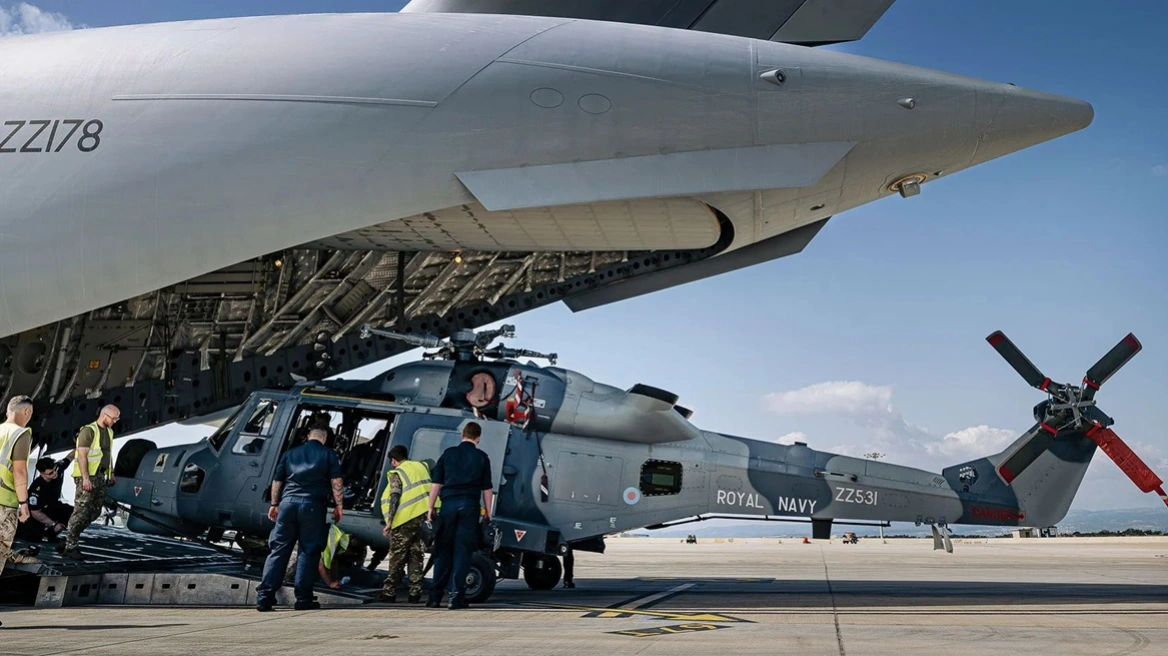
It is already the clearest link in the chain. The port is used for transporting military equipment and personnel to NATO countries while also connecting to energy projects, such as the floating LNG terminal. The city has been upgraded into a dual-use hub: both military and energy-related.
Souda:
The base in Crete remains a key point for the U.S. Navy in the Eastern Mediterranean. The continuous upgrading of facilities shows that Souda is not just a base but a pillar of American presence in the region.
Kavala:
The port of Kavala is emerging as an alternative hub in the North, with an emphasis on cargo movement and supporting energy projects. Its location makes it a useful complement to Alexandroupoli.
Volos:
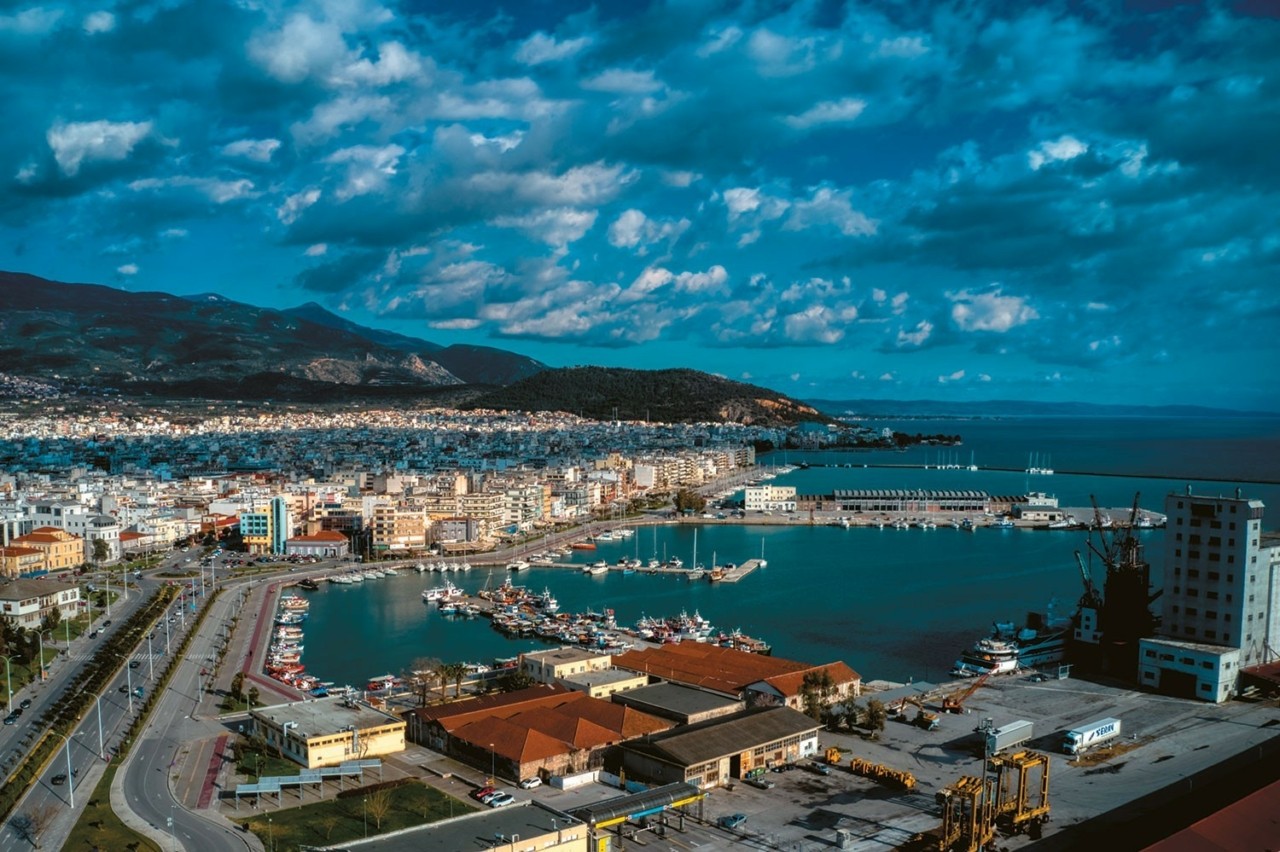
Although still under public control, it remains firmly on Washington’s radar. Its proximity to military facilities and potential energy infrastructure scenarios strengthens its role as a backup hub.
Elefsina:
Here lies the next major step. The planned concession of parts of the port, combined with shipyard upgrades and proximity to road, rail networks, and the Thriasio area, creates the conditions for a new transit hub — a counterbalance to Piraeus.
The common denominator of all the above is energy. Transporting American LNG to Europe requires ports with specialized infrastructure, while the military dimension demands security, speed, and flexibility. These two needs converge in the same locations.
Behind the scenes, government sources speak of close coordination between the Ministries of Shipping, Energy, and Defense with American agencies. Discussions are not limited to investments but also cover regulatory frameworks so that infrastructure can be immediately used during periods of tension.
Funding for major projects is often channeled through American or international organizations with a clear geopolitical orientation.
At the same time, Greece seeks to capitalize on its role: more investments, infrastructure upgrades, and strengthening its international standing. The challenge, however, remains whether this strategy will translate into tangible benefits for local communities.
The utilization of Greek ports by the U.S. is not only about bilateral relations. It touches Greece’s position on the new European and international map. Greece is emerging as a critical hub but simultaneously assumes greater responsibility.
The open question remains whether this upgrade will be accompanied by a long-term strategy with a national perspective, or whether the ports will primarily serve as tools of foreign plans.
Ask me anything
Explore related questions