





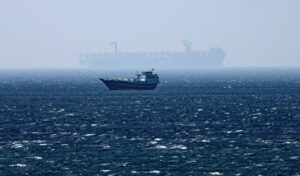
Growing tensions around the Strait of Hormuz are increasingly spilling over into global oil markets, heightening concerns about potential disruptions along one of the planet’s most critical energy corridors. According to a report by SIGNAL analyst Maria Bertzeletou, the key question for markets is no longer whether disruptions will occur, but how long they will last.
The Persian Gulf region remains vital for global energy security, as a significant share of seaborne oil exports passes through the Strait of Hormuz. In the event of prolonged tensions, the impact would be immediate both on prices and supply chains.
Major Asian economies appear particularly vulnerable. China and India remain heavily dependent on crude supplies from the Gulf. However, India has stated that its national strategic reserves can cover roughly 40 to 45 days of demand.
At the same time, Russia is expected to increase oil exports to both countries, a move that could mitigate part of the impact of a possible disruption of flows from the Gulf.
Alongside the geopolitical tensions, risks for shipping in the region are also increasing. Marine insurance companies have already issued notices about changes to war-risk coverage for vessels operating in the Persian Gulf, with new measures taking effect on March 5, 2026.
Shipping insurance brokers report that war-risk premiums have surged sharply, in some cases by 50% to 100%. This development significantly raises transportation costs and increases uncertainty for shipping companies operating in the region.
At the same time, according to Iranian state media, the Islamic Revolutionary Guard Corps has announced a ban on the passage of ships linked to the United States, Israel, Europe and other Western allies through the Strait of Hormuz.
Initial data indicate that the situation is already affecting real ship traffic in the area.
AIS ship-tracking data show that daily transits through the Strait of Hormuz dropped sharply in early March, almost reaching zero.
Meanwhile, bunker fuel prices at the port of Fujairah recorded a strong increase. VLSFO fuel reached $610 per ton on March 5, marking an increase of around 22% in one week.
The tensions have also begun to affect the operation of ports across the Arabian Gulf. Port congestion in the region increased by about 7% between February 27 and March 4, 2026.
Possible Scenarios for Oil
The trajectory of oil prices will largely depend on the duration of the crisis.
If tensions de-escalate within about one week, Brent crude oil could stabilize in the $80–$90 per barrel range before gradually declining toward $70 as the geopolitical premium fades.
If disruptions last several weeks, supply could tighten significantly, pushing Brent above $100 per barrel as inventories decline and refineries search for alternative sources.
In a prolonged crisis scenario, prices could rise even further, with some market estimates pointing to levels close to $120 per barrel. At the same time, potential export bottlenecks could force producing countries to reduce production as storage facilities fill up and logistics become strained.
What Comes Next
The key question for markets is now whether the Strait of Hormuz is legally closed or simply practically difficult to use. So far, there has been no official announcement of a closure. However, rising security risks, crew concerns and higher insurance costs could drastically limit navigation even without a formal ban.
Meanwhile, regional countries such as United Arab Emirates and Qatar are promoting diplomatic initiatives aimed at preventing a prolonged disruption to trade and energy exports.
Even if tensions ease, shipping and energy markets may need time to return to normal operations, as the current turmoil already represents one of the most significant disruptions to maritime transport in recent decades.
Ask me anything
Explore related questions




