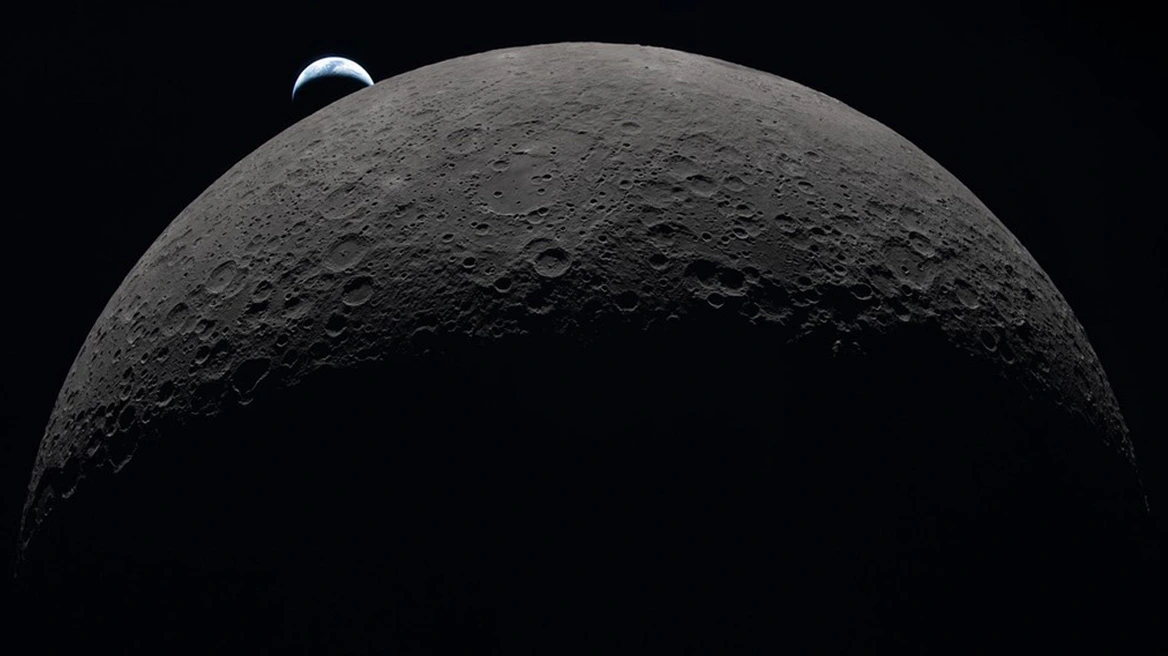
NASA released stunning images from the Artemis II mission, revealing rare moments from the Moon’s hidden side and offering a unique view of Earth from deep space.
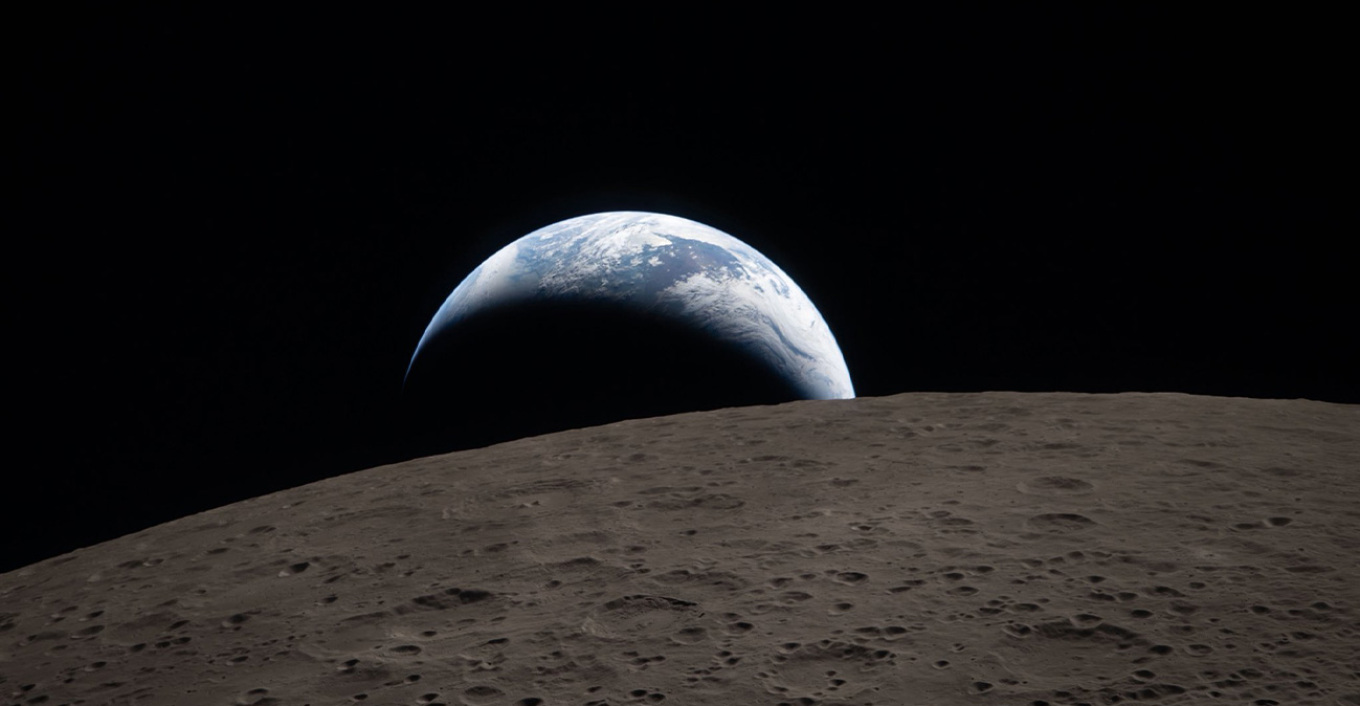
One of the two photos captures Earth disappearing behind the Moon’s horizon, as recorded by the Orion spacecraft from the far side of the natural satellite. It is the first image of our planet from this specific angle, providing a new perspective on humanity’s place in the universe.
See the photo:
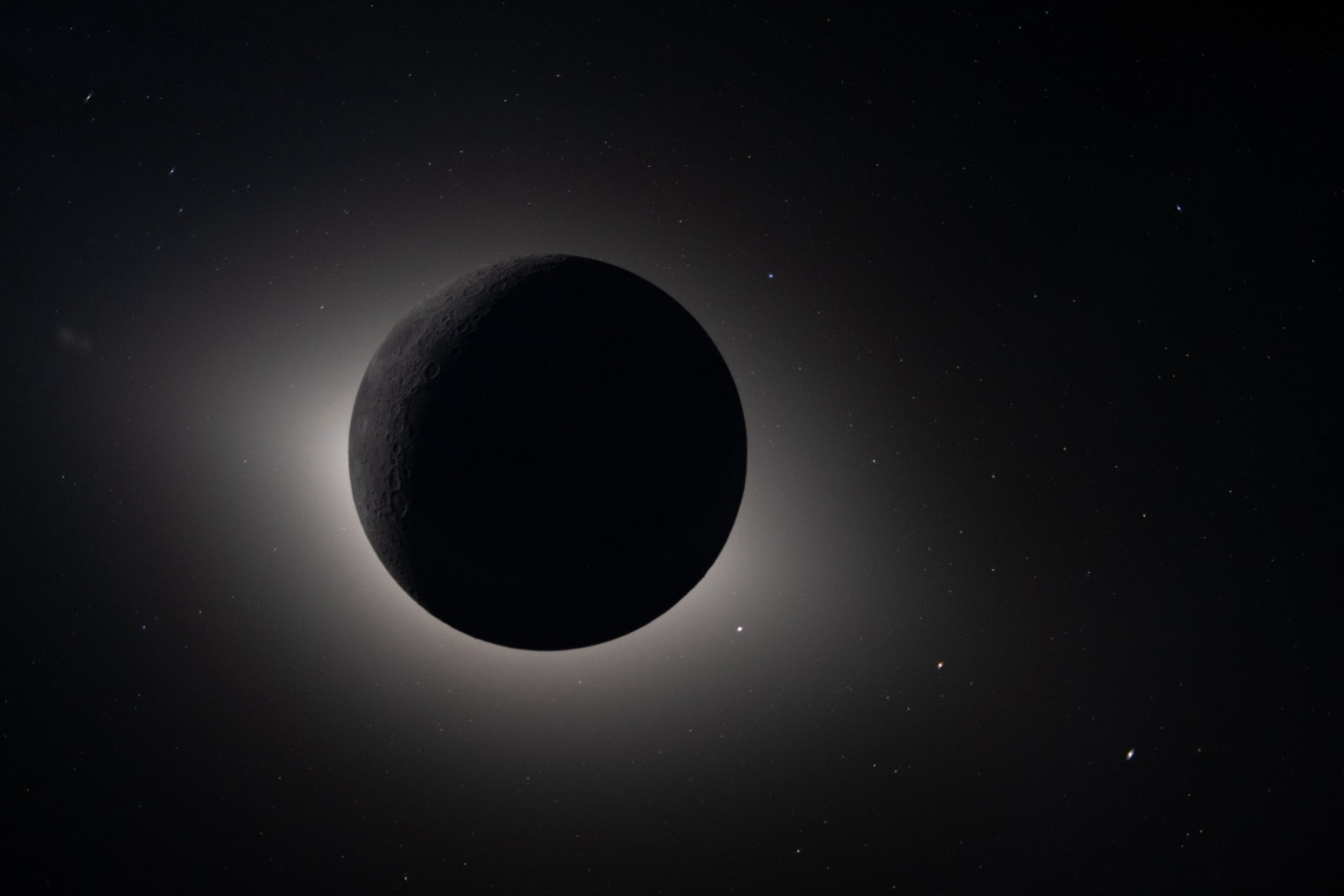
The second image captures the moment of a total eclipse, as observed from lunar orbit on April 6, 2026. In the image, the Moon completely covers the Sun, creating a spectacle that very few people in history have had the chance to witness from such a great distance.
See the photo:
The Artemis II mission, crewed by Reid Wiseman, Victor Glover, Christina Koch, and Jeremy Hansen, marks the first crewed flight beyond Earth’s orbit since 1972, when the Apollo 17 mission took place.
The Orion spacecraft is now traveling on a “free return” trajectory, using the Moon’s gravity to bring it back to Earth even without additional propulsion.
After launching aboard the Space Launch System rocket, the crew conducted a series of tests to evaluate Orion’s capabilities, including a 70-minute manual navigation exercise.
Crucial to the mission was also the operation of the Deep Space Network, the global communications system that enables precise tracking of spacecraft beyond GPS range, using large antennas located in the United States, Spain, and Australia.
During the mission, there were periods without communication with Earth, particularly when the spacecraft was on the Moon’s far side, blocking data transmission.
Distance record from Earth
The mission broke the record for the farthest distance ever traveled by humans in space, surpassing the previous Apollo 13 record by more than 4,000 miles and reaching approximately 252,756 miles from Earth.
Astronauts captured images of the Moon’s surface, describing craters and geological formations that could assist in planning future landing missions.
Critical atmospheric re-entry phase
The final phase of the mission involves re-entry into Earth’s atmosphere, a highly demanding process, as the Orion capsule will reach speeds exceeding 30 times the speed of sound, generating temperatures above 2,700°C on its exterior, according to CNN.
The performance of the heat shield is a key focus of study, as damage had been detected during a previous uncrewed mission. For this reason, NASA has adjusted the re-entry procedure to collect critical data for future missions.
Ask me anything
Explore related questions