





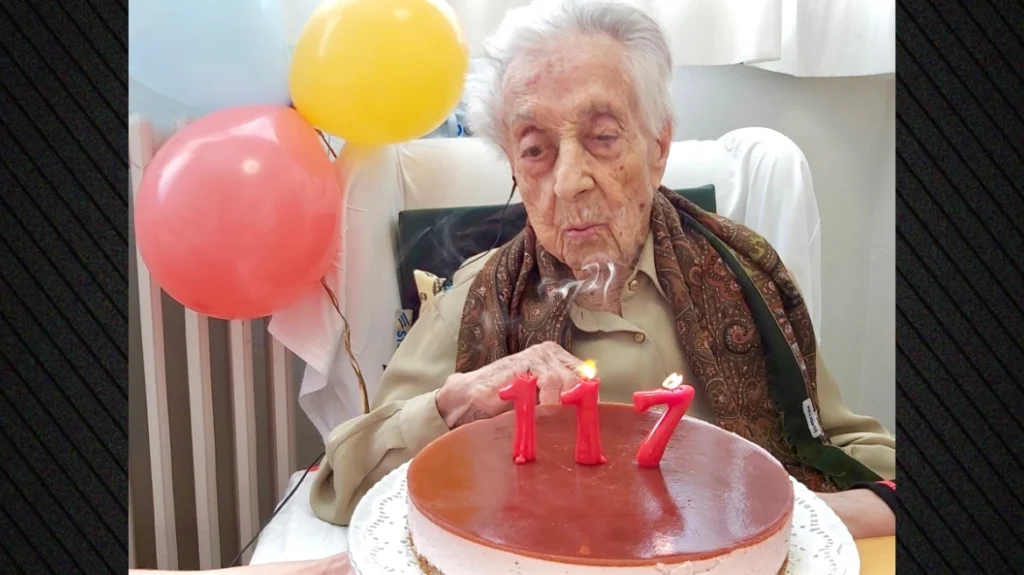
The scientists who studied the biology of Maria Branyas Morera, the woman who lived to the age of 117, concluded in striking terms that ageing and disease do not always go hand in hand.
The new research conducted a deep analysis of her blood, saliva, urine, and gut microbiome using a full “multiomics” approach—simultaneously examining the genome, epigenome, metabolism, proteins, and bacteria of the body.
In the study published in the journal Cell Reports Medicine, researchers from the Josep Carreras Leukemia Research Institute found that her cells behaved as if they belonged to a much younger person.
Although in Catalonia, where she came from, women’s life expectancy is around 86 years, she lived more than three additional decades, avoiding serious diseases such as cancer or dementia until the end of her life.
To understand what made the difference, scientists used so-called “epigenetic clocks,” tools that estimate biological age through chemical markers on DNA.
According to six different measurements, her blood and other tissues showed a biological age 10 to 30 years younger than her actual age. Another measurement based on ribosomal DNA suggested her cells were about 23 years younger.
Doctors also noted that until the last months of her life she maintained good cardiovascular health, cognitive clarity, and relatively limited age-related illness.
The telomere paradox and the “youthful” gut
One of the most unusual findings was that her telomeres—the protective ends of DNA considered a marker of ageing—were among the shortest ever measured in a healthy individual.
While short telomeres are usually associated with ageing and disease, researchers suggest that in her case they may have played a protective role, limiting uncontrolled cell division and thus reducing cancer risk.
The team also identified rare genetic variants associated with improved immune function, heart protection, and brain health.
Particular interest was also drawn to her gut microbiome.
Scientists found high levels of the bacterium Bifidobacterium, which typically declines significantly with age and is associated with lower inflammation in the body.
She followed a Mediterranean-style diet, rich in vegetables, legumes, olive oil, and small amounts of fish, and consumed about three yogurts a day.
These yogurts contained bacteria such as Streptococcus thermophilus and Lactobacillus delbrueckii, which can promote the growth of Bifidobacterium in the gut.
Her blood tests also showed very low triglycerides and low levels of “bad” LDL cholesterol, but high levels of “good” HDL cholesterol. At the same time, inflammatory markers linked to cardiovascular disease and premature death were unusually low.
Daily habits that interested researchers
The researchers stress that studying a single individual is not enough to draw firm conclusions about longevity, nor does it mean that everyone can reach such an age.
However, some aspects of her lifestyle are considered particularly noteworthy.
Maria Branyas Morera did not smoke, did not drink alcohol, walked daily, and remained socially active. She also maintained close contact with nature through gardening and pets.
Scientists believe her case suggests that a strong genetic foundation may work even better when combined with a healthy lifestyle.
As they note, genes may “load the dice,” but daily choices around diet, physical activity, and social relationships strongly influence how health unfolds over the decades.
Ask me anything
Explore related questions




