






Perimenopause and menopause are not a single event but a long transition that can last for over a decade, and for many women it arrives with a surprisingly wide array of symptoms. Fluctuating hormones can affect sleep, mood, energy, concentration, body weight, psychology, hair and much more. It is a stage of life when keeping mind and body in balance becomes vital, and when taking charge of our own health matters more than ever. After all, women make up half of the population.
The encouraging news is that awareness has changed dramatically over the past 10 to 15 years. What was once endured in silence is now openly discussed, researched and treated, and that understanding continues to evolve.
Global changemakers awakening women
A handful of influential voices have driven that shift. Dr Lisa Mosconi, a neuroscientist and director of the Women’s Brain Initiative at Weill Cornell Medicine, has used brain-imaging research to show that menopause is far more than an ovarian event. “We associate menopause with the ovaries,” she has said, yet many of its symptoms begin in the brain. Her book The Menopause Brain argues that menopause is a transition rather than an end, and that with the right self-care women can emerge with a renewed, enhanced brain.
In the UK, Dr Louise Newson, a GP and menopause specialist, has been described as the “medic who kickstarted the menopause revolution”. Her work with the broadcaster Davina McCall helped take the subject to a mass audience, and McCall’s 2021 Channel 4 documentary, Sex, Myths and the Menopause, is widely credited with a step-change in public understanding. Her reason for urging people to watch it was simple: “Everybody should know about it.”
Across the Atlantic, Dr Mary Claire Haver, an obstetrician-gynaecologist and certified menopause practitioner, has built a huge following with her bestselling book The New Menopause and a message that has become a rallying cry: “Menopause is inevitable, suffering is not.” Dr Jen Gunter, the Canadian gynaecologist and author of The Menopause Manifesto, has taken on myths and misinformation, presenting menopause not as a disease but as a planned change, much like puberty, that women deserve to understand years in advance.
The critical importance of eating right
Beyond any supplements or medical, hormone treating approaches, there is something every woman can influence every day: what is on her plate. The words traditionally attributed to Hippocrates say it best: “Let food be thy medicine and medicine be thy food.”
What and how we eat can make an enormous difference to our sense of wellbeing during perimenopause and menopause, and throughout life.
We spoke with Athena Lytinaki, who works with women every day whose hormonal state calls for support via dietary changes. She helps people address obesity from within and build a healthier relationship with food. Lytinaki believes effective nutrition should never be one-size-fits-all: every plan needs bto be tailored to the individual and her particular needs.
A graduate in Psychosomatic Medicine, Lytinaki also considers each patient’s temperament when shaping her nutritional approach. Her work brings together personalised nutrition and an understanding of the connection between mind and body.

A supportive diet: what to put on the plate
For women facing the various symptoms and effects of perimenopause and menopause, Lytinaki recommends a diet rich in phytoestrogens, plant compounds that can gently mimic oestrogen in the body. These, she advises, should be taken alongside foods that supply omega-3 fats, vitamins and trace elements, which also help maintain a desirable weight.
Here are Lytinaki’s suggestions on foods women in these phases should opt for:
Vegetables (ideally steamed or boiled rather than raw)
Cabbage, carrots, Brussels sprouts, spinach, broccoli, peppers, red pumpkin or squash, garlic, peas, and leafy green vegetables generally. Potatoes and sweet potatoes also feature.
Fruit and berries (ideally gently cooked rather than raw)
Cherries, strawberries, all kinds of berries, bananas, along with dried fruits (soaked before being eaten) such as prunes, apricots and dates. Avocado is a valuable addition.
Grains and starchy foods
Oats, barley and wholegrain products. Potatoes and sweet potatoes provide slow-release carbohydrate.
Pulses and soya foods
Peas, beans (black beans in particular), chickpeas and lentils, plus soya milk, tofu and tempeh, which is made from fermented soya beans.
Nuts and seeds (ideally soaked 20 mins before being eaten)
Sesame seeds, sunflower seeds, pumpkin seeds, linseed (flaxseed), peanuts, walnuts and other nuts.
Fish, meat and eggs
Oily fish such as sardines, mackerel and wild salmon are a cornerstone, supplying omega-3 fats. Lean red meat, organic/ free range chicken and turkey and eggs complete the protein picture.
Dairy and fermented foods
Kefir, along with other probiotic and prebiotic foods, supports gut health.
Fats, drinks and treats
Plenty of olive oil, especially extra virgin, is the fat of choice, but butter too is safe to enjoy.
Beverages
Herbal teas (like mountain tea, chamomile, mint, lemon verbena, etc) are all on her list, as is a cup or two of quality espresso, and dark chocolate or raw cacao is welcome in moderation. Making a small cup of hot ‘golden milk’ wit a pinch of turmeric, black pepper and honey is great as a prer-bed drink.
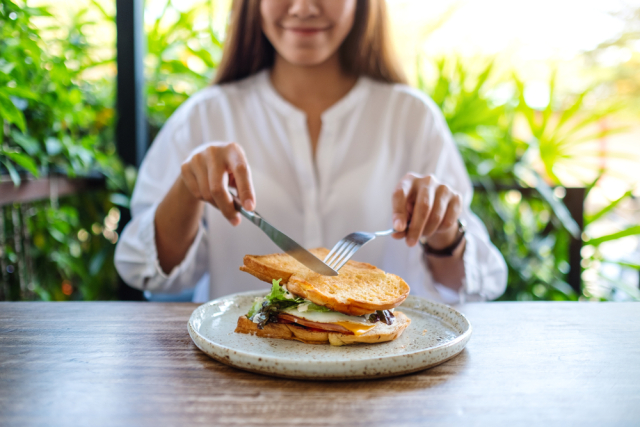
The common thread is variety and real, minimally processed food. Lytinaki is clear that highly processed foods (that contain preservatives, ‘bad’ oils and other chemical ingredients), are likely to negatively affect mood and energy, are often linked with chronic disease and can negatively influence hormone levels.
Eating for mood, stress and steady energy
How we eat and live is directly tied to how we feel. Lytinaki points to a two-way relationship between anxiety and depression, something women in this time of their life commonly experience, as well as excess weight gain and lack of energy. She sustains that when the two directly coincide, excess weight can worsen the symptoms of depression, mental fog and stress.
Her practical advice for uplifting your mental and physical state is refreshingly straightforward:
- Seek natural daylight and move. Time in the sun, combined with exercise, helps to curb cravings for starchy foods and raises serotonin, the brain chemical associated with wellbeing.
- Avoid processed foods and stimulants. They undermine mood, energy and hormonal balance.
- Build meals around protein, vegetables and fibre. These keep us full for many hours, which steadies energy and makes cravings easier to manage.
- Practice mindfulness, yoga, Pilates and other relaxig activities, including spending time walking in nature and petting your cat or dog. All such actions lower cortsol, which helps you feel calmer as well as reducing risk of weight gain.
Ask me anything
Explore related questions




