





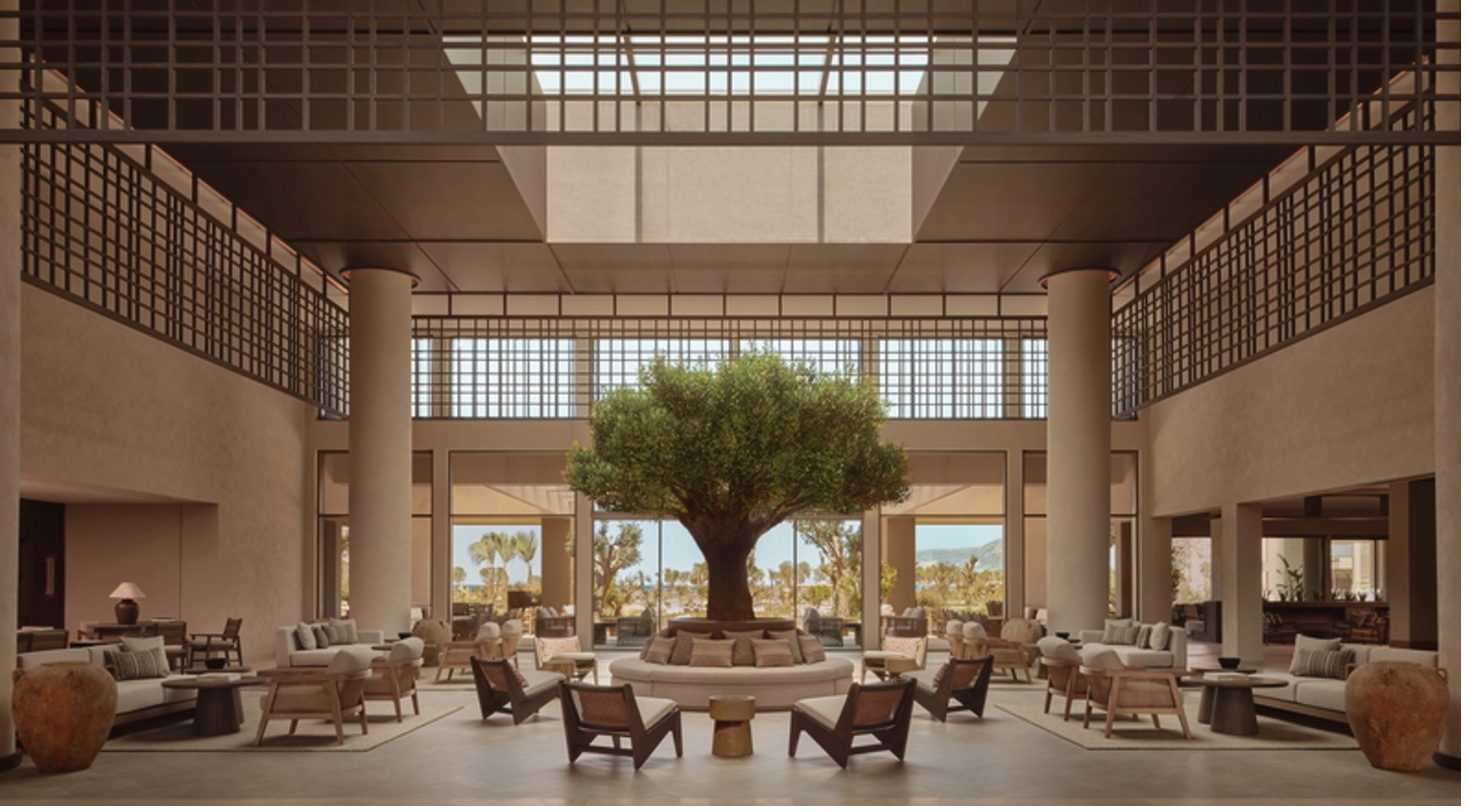
The rapid growth of Sani/Ikos Group across the Mediterranean is based on a strong commitment to sustainability, shaping how it designs, operates, and measures the performance of its 13 resorts in Greece and Spain. Energy, resource management, climate resilience and ecosystem protection are integrated into the same strategic framework as new investment and portfolio growth.
The Group’s 2025 ESG Report (Environmental, Social and Governance) illustrates this approach through specific, measurable results: from electricity from renewable sources, water reuse and the elimination of single-use plastics to scientific partnerships for biodiversity protection and support for more than 60 social and environmental initiatives.
Renewable energy and decarbonisation
With a target of net-zero Scope 1 and Scope 2 emissions by 2030, the Group is investing intensively in reducing energy consumption, renewable energy and the electrification of operations and mobility. Greenhouse gas emissions are measured and verified in accordance with ISO 14064-1:2018, while Sani/Ikos Group’s hotels in Greece are certified to ISO 50001:2018 for energy management.
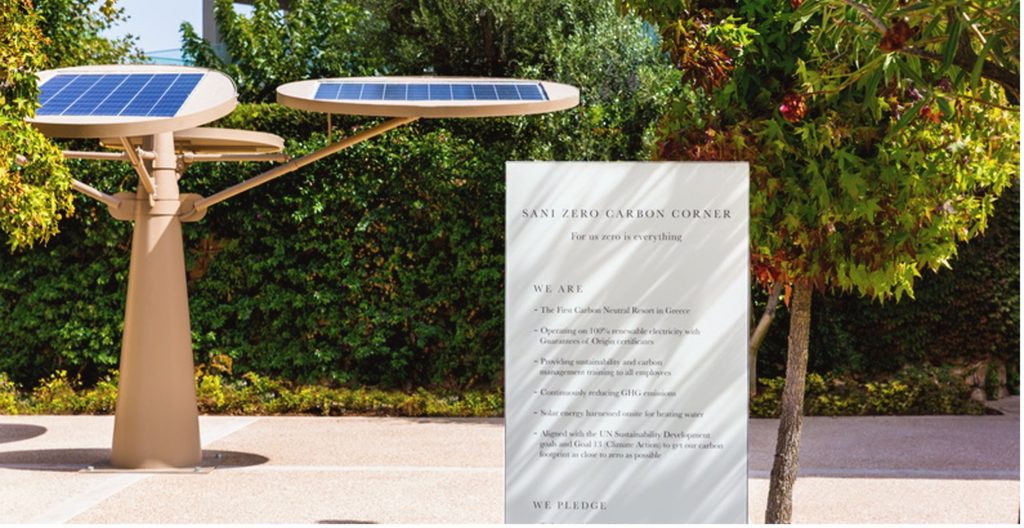
100% of the electricity consumed by Sani and Ikos resorts is matched with renewable energy Guarantees of Origin, while in 2025 82% of the total energy used across the Group’s operations came from renewable sources. Central to this transition is the Energy Community in Halkidiki, with a 6.76 MWp photovoltaic project completed in February and connected to the grid in July 2025, designed to cover approximately 40% of the electricity needs of the Group’s properties in Northern Greece.
The transition extends to mobility. By the end of 2025, 181 electric vehicle charging points were in operation, while 60% of the corporate fleet across Sani and Ikos resorts was fully electric or plug-in hybrid.
Supporting the Group’s energy strategy is an extensive energy and water monitoring and data analytics system, comprising 2,350 submeters and generating 6.8 million measurements each month. This enables more granular consumption monitoring, demand forecasting and faster identification of deviations.
Towards eliminating single-use plastics
The elimination of single-use plastics is part of the Group’s Triple Zero Goal: zero Scope 1 and Scope 2 emissions by 2030, zero single-use plastics and zero waste to landfill. In 2025, single-use plastics were fully eliminated from guest-facing areas and from most back-of-house areas wherever feasible. The limited exceptions mainly concern items required for hygiene and food safety, and supplier packaging for which no suitable alternative is yet available.
The change spans the entire operating chain: reusable glass water bottles, refillable bathroom amenity dispensers, non-plastic food packaging, reusable or biodegradable bags, monitoring of plastic items through the ERP system and collaboration with suppliers to reduce packaging. Since 2023, the Group has also participated in the Global Tourism Plastics Initiative.
At the same time, 96.5% of waste was diverted from landfill in 2025, compared with 95% in 2024, through a system combining recycling, composting, and the use of organic waste for biogas production. Practices aimed at achieving zero waste to landfill are now implemented across all Group resorts.
370 million litres of water returned to the cycle
In the Mediterranean region where water demand peaks during the summer months, water management is a critical aspect of hotel operations. In 2025, the Group recycled 370,302 cubic metres of water, equivalent to 23.86% of total consumption, while at resorts with wastewater treatment facilities, 100% of treated water is reused for garden irrigation.
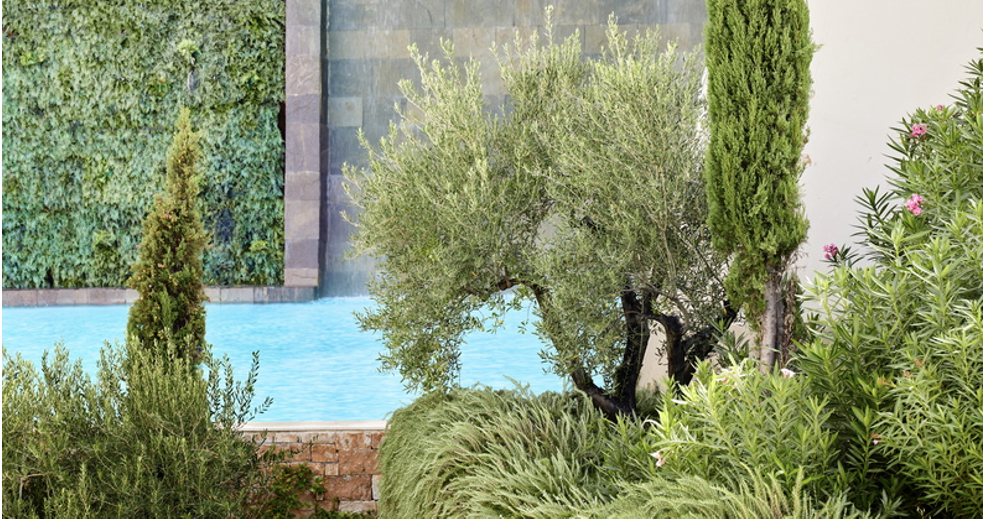
At the same time, the water metering network grew by 60% in 2025, reaching 1,630 meters, enabling real-time consumption monitoring and early leak detection. Flow restrictors, aerators and xeriscaping in the gardens complement a system that combines conservation, monitoring, and reuse.
Designing for a warmer climate
Climate change is now influencing the design of tourism infrastructure. Sani/Ikos Group assesses its hotels’ exposure to risks including heatwaves, floods, wildfires, drought, and water scarcity, integrating climate resilience into both new developments and major renovations.
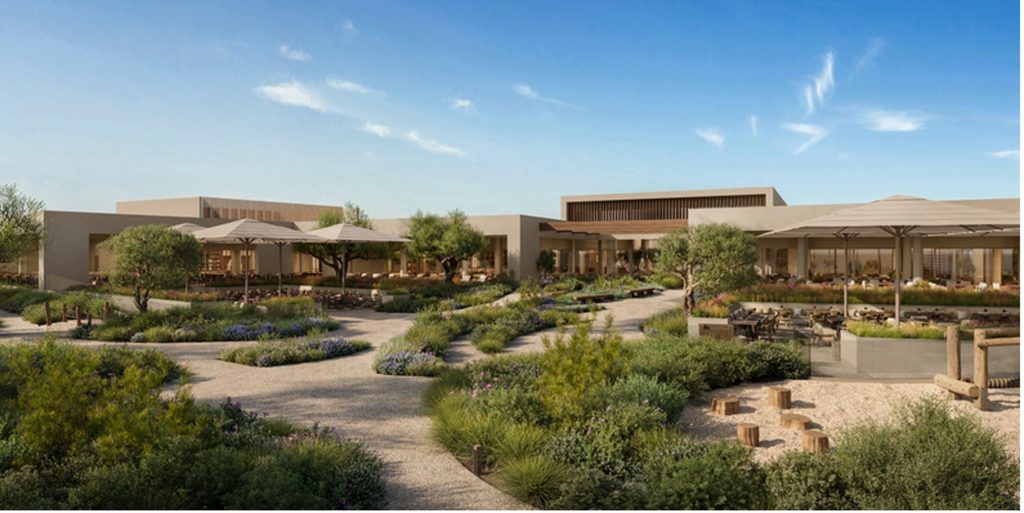
In practice, this means more greenery and shading, improved building thermal performance, more efficient cooling systems, and strengthened flood and fire protection. New developments are also designed in line with international sustainable building standards such as LEED and BREEAM. The new Ikos Kissamos in Crete, the renovated Sani Asterias and Ikos Kassandra, currently under development in Halkidiki, are undergoing LEED Gold (Building Design & Construction) certification.
At Sani, special emphasis is placed on wildfire prevention, with AI-powered thermal cameras, dedicated fire protection teams and systematic maintenance of the forest network.
Biodiversity and environmental awareness
Biodiversity protection is a core pillar of Sani/Ikos Group’s environmental strategy, with initiatives delivered in partnership with scientific institutions and environmental organisations. In Halkidiki, the Sani Environmental Observatory, in collaboration with the Forest Research Institute of ELGO-DIMITRA, monitors Sani’s coastal pine forest and the impact of climate change, while the Thermaikos Biodiversity Project with iSea focuses on marine life protection – in 2025 it achieved Greece’s first recorded hatching and release of a threatened ray. In parallel, partnerships with Action for Wildlife and initiatives such as the Parnitha BEEyond Project extend action to the protection of wildlife and pollinators.
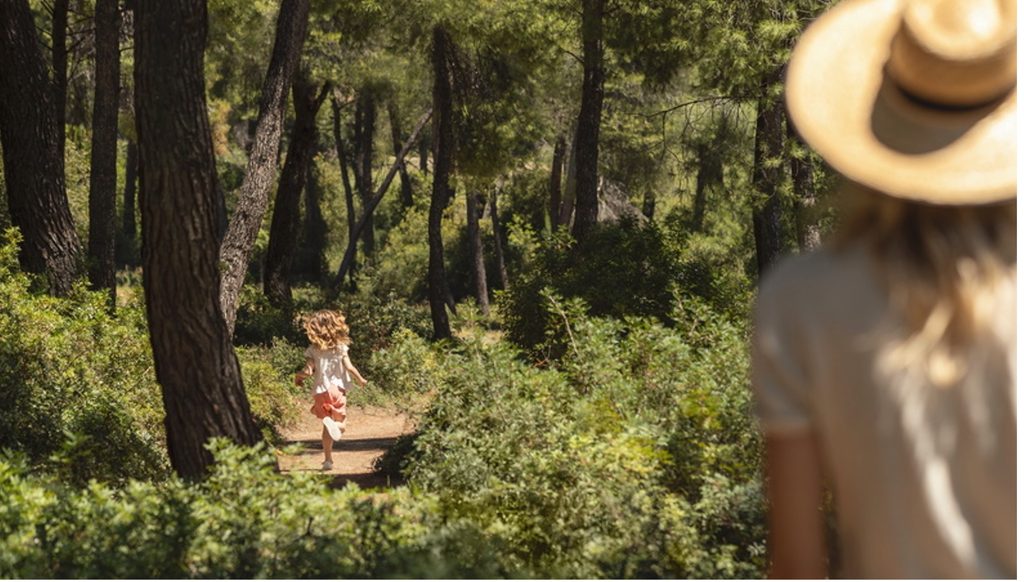
Guests also participate in these initiatives: in 2025, more than 4,100 eco-excursions and activities took place, up 10% from 2024, ranging from forest walks and birdwatching to wetland and marine biodiversity exploration.
Growth rooted in place
A resort’s presence is inevitably connected to its surrounding area – the local economy, employment, natural environment, and community needs. In 2025, Sani/Ikos Group contributed more than €310,000 to over 60 NGOs and initiatives in Greece and Spain, spanning health and education, social support and environmental protection.
In Greece, among other initiatives, the Group continued its partnership with The Smile of the Child, giving children supported by the organisation the opportunity to enjoy summer holidays across Greece, as well as with Médecins du Monde Greece, through actions that strengthen access to healthcare for vulnerable groups. In environmental education, the partnership with the Goulandris Natural History Museum brought knowledge about nature and biodiversity closer to younger generations.
The connection to place is also reflected in the hospitality experience itself: at Ikos Resorts, partnerships with local producers and the Dine Out programme with selected local restaurants channel part of tourism activity into the local economy. At Sani, the Land of Grace series showcases Greek producers and products, with all proceeds donated to food banks.
Destination growth is also linked to employment. The Group’s workforce reached 7,354 employees in 2025, up 17%, while permanent employees increased by 6%. Women represent 45% of the workforce and 21% of senior management positions. Programmes such as Hospitality Forward, in partnership with AKMI, link vocational training with access to employment in tourism.
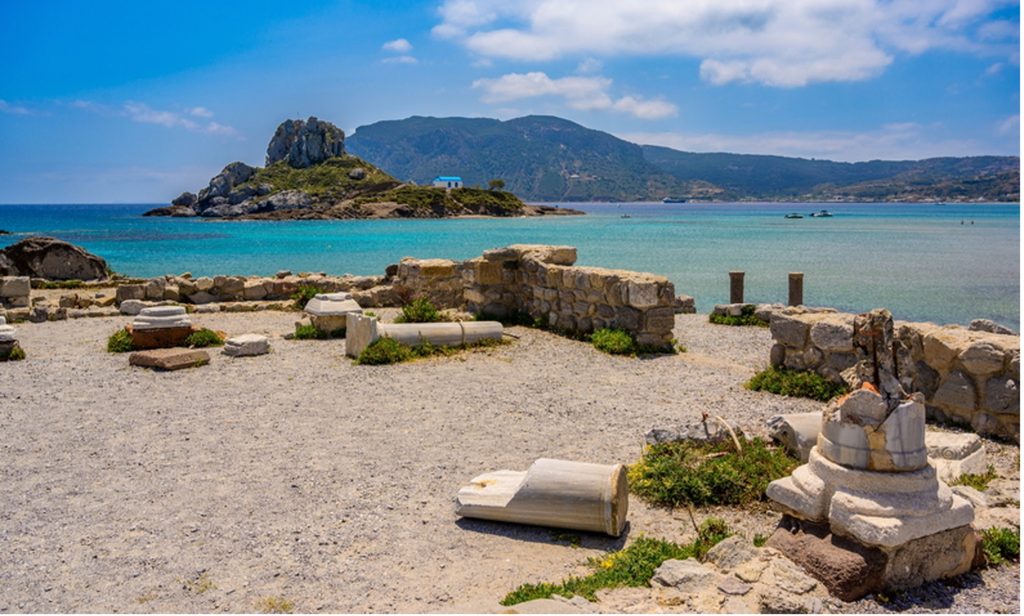
As Sani/Ikos Group expands its footprint across the Mediterranean, it continues to strengthen its environmental and social performance. The progress captured in the 2025 ESG Report reflects the Group’s broader vision for a more sustainable model of Mediterranean hospitality.
Ask me anything
Explore related questions




