





A vast network of labour exploitation and human trafficking has been uncovered in a major international police operation spanning 34 countries, including Greece, involving more than 16,000 police officers and inspectors.
According to figures released by Europol, the operation resulted in 27 arrests of suspected human traffickers and the identification of 248 potential victims of labour and other forms of exploitation. In one case alone, a criminal network is believed to have generated more than €4 million in illicit profits.
The operation took place between 14 and 20 September 2026, coordinated by Europol and the European Labour Authority (ELA) and led by Sweden. Investigations focused on restaurants, farms, construction sites, beauty salons, nail bars and massage parlours.
27 arrests and 248 potential victims identified in action week against labour exploitation – Europol and the European Labour Authority led a cross-border operation uncovering widespread exploitation in key sectors | Europol https://t.co/Tac0HgdNch
— Yerelce (@yerelce) October 24, 2026
A total of 16,031 police officers and inspection officials participated, conducting 137,810 checks involving individuals, premises, vehicles and documents. The operation led to 182 new human trafficking investigations, alongside 86 additional arrests for related offences, including illegal employment and prostitution-related crimes.
Of the 248 potential victims identified, 73% were men, predominantly nationals of Vietnam, China, India and the Philippines. Approximately 5% were minors, identified in cases involving sexual exploitation, forced begging and forced labour.
Gang exploited more than 70 Indian workers in the Netherlands, making €4 million in profits
One of the most significant cases uncovered during the operation centred on the Netherlands, where authorities identified a criminal network allegedly exploiting more than 70 Indian nationals working in restaurants across five countries.
The victims were forced to work exceptionally long hours for low wages and were subjected to threats against their lives if they failed to comply with the gang’s demands.
The criminal network is believed to have generated at least €4 million from its illegal activities. Two suspects were arrested during coordinated police raids.
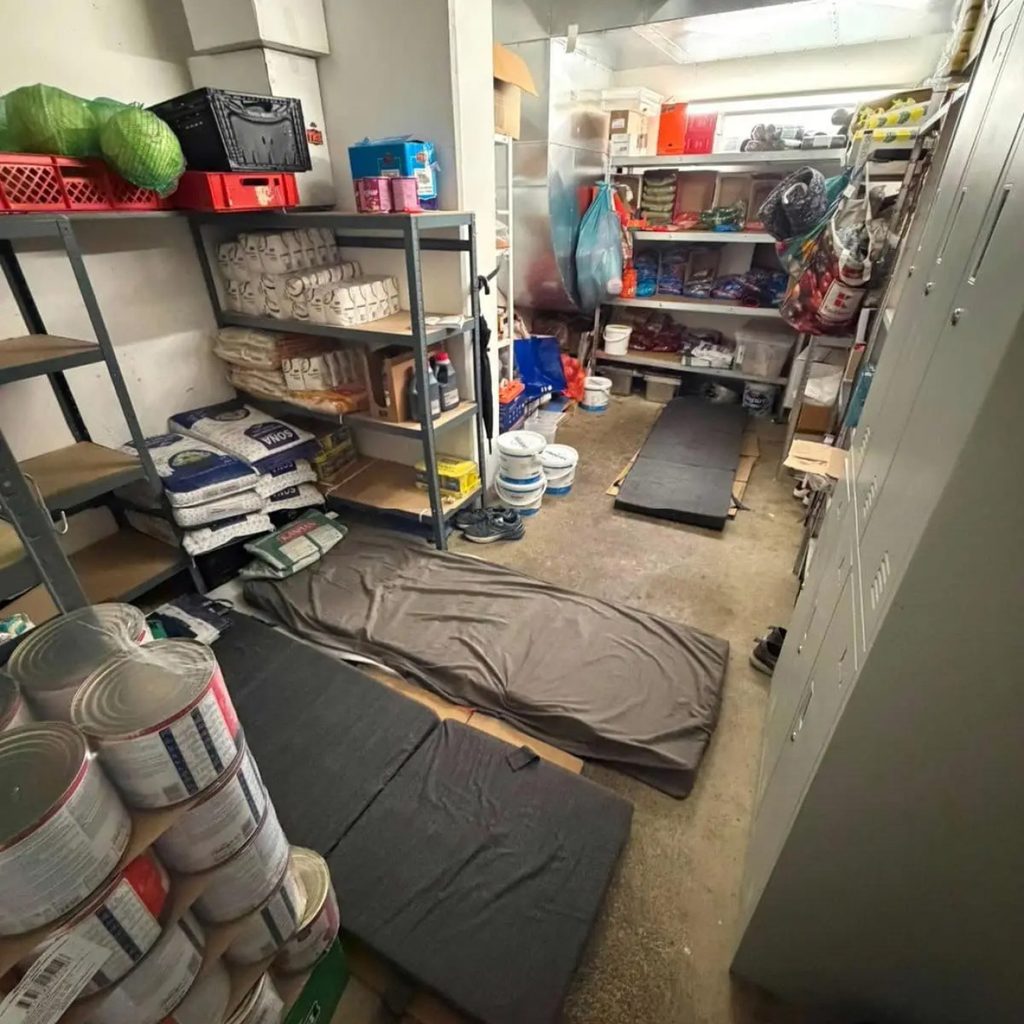
Farm worker in Cyprus forced to work without pay or days off after passport confiscated
In Cyprus, authorities discovered a foreign worker employed at a livestock farm who was allegedly forced to work ten hours a day without wages or rest days.
His employer had confiscated his passport, preventing him from leaving or approaching the authorities.
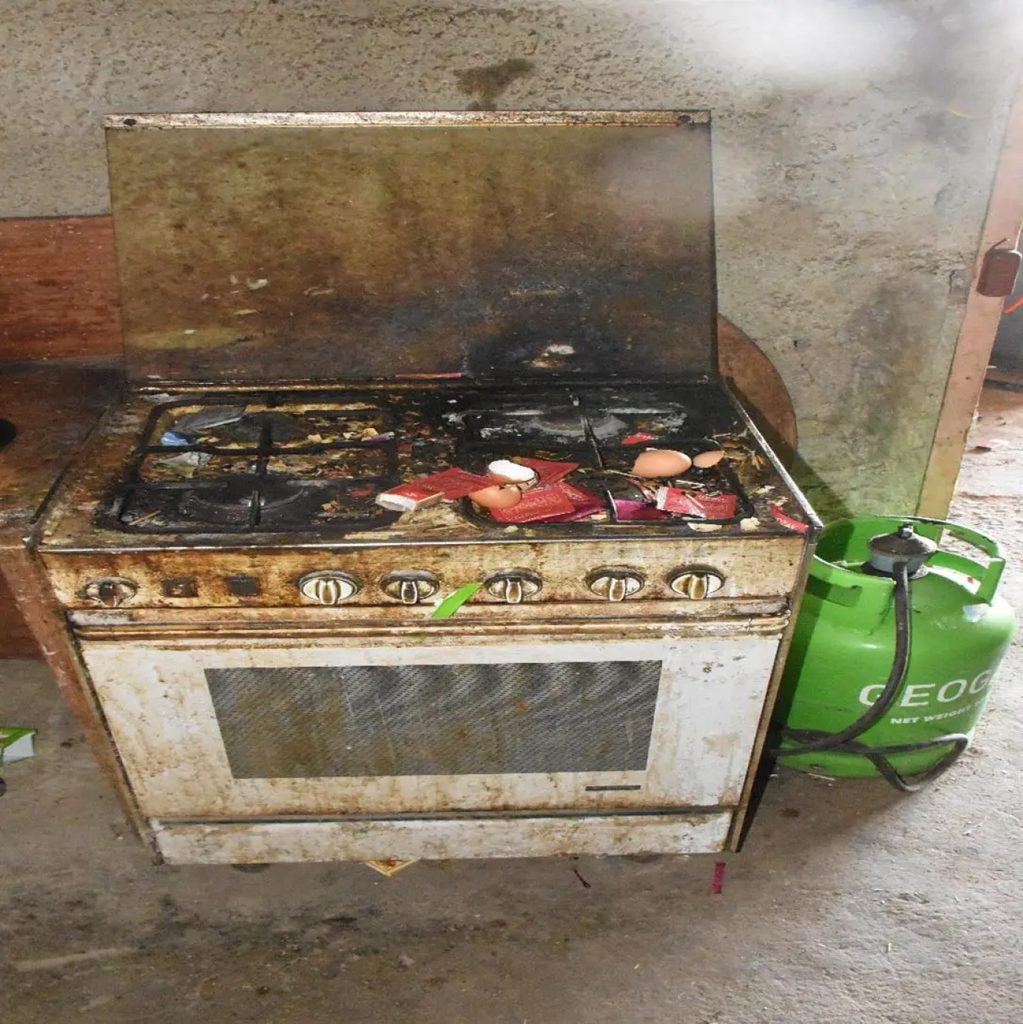
The worker was living in a room lacking basic sanitation facilities. He was forced to use an outdoor toilet and had access only to cold water.
The food provided was inadequate, consisting mainly of basic supplies such as flour, tea, sugar and oil.
Germany identifies 63 victims in restaurants and nail salons
In Germany, the operation identified 63 victims, mainly Vietnamese and Chinese nationals, working in restaurants and nail salons.
Investigations uncovered cases of underpayment, illegal employment and restrictions on workers’ personal freedom.
In Hungary, authorities identified 11 victims of forced labour and domestic servitude in the agricultural sector, as well as four victims of sexual exploitation.
In Montenegro, an investigation conducted in cooperation with Azerbaijani authorities uncovered the alleged exploitation of six Azerbaijani workers at a construction site in the capital, Podgorica.
In Romania, investigators established that vulnerable individuals, including minors, had been recruited for agricultural work with promises of fair wages.
Instead, they were forced to work more than 12 hours a day without pay, enduring extremely poor working and living conditions.
Greece among 34 countries involved in international operation
Greece was among the 34 countries participating in the coordinated operation, alongside France, Germany, Italy, Spain, Cyprus, the Netherlands and other European countries.
The multinational investigation highlighted the extent to which human trafficking and forced labour can operate within seemingly legitimate businesses, from restaurants and agricultural enterprises to beauty salons and construction sites.
Ask me anything
Explore related questions




