





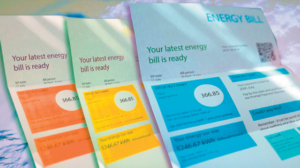
A different landscape in the color layout of electricity charges, with additions and subtractions to tariffs, as well as radical changes to the zone of cheap electricity and everyday habits, is planned by the government from the beginning of the year. The changes make green tariffs optional and emphasize fixed tariffs that offer pricing certainty without surprises. They open up the market for orange tariffs aimed primarily at businesses and even differentiate billing by the hour (using a smart meter) and move the night tariff to midday hours when the sun produces cheap electricity.
renewables are the key to cheaper energy, but for the majority of the world the increased penetration in electricity generation, which is up to 57%, has not yet been reflected in electricity bills. The exercise is not easy and the difficulty for the government is to explain how while we have met our 2030 targets on renewable energy (renewables) by filling the plains with solar farms and the mountain tops with wind turbines, the cost of electricity remains high for several exogenous and endogenous factors.
The Ministry of Environment and Energy will attempt to “capitalize” on the advantage of solar energy in the coming period by moving the night charge to noon, the time when photovoltaics produce excess electricity and the cheapest of the day. This choice is also driven by the changes in society since the population, which affects those who still telecommute, so spend long hours at home, but also affects pensioners, people with Special Needs, freelancers, and farmers whose employment is seasonal, as well as some 150,000 households who have young children at home and need to care for them. All these people, who according to the Minister of Environment and Energy Theodore Skylakakis are more than half of the country’s population, are potentially the target group of the midday tariff who will be able to take advantage of the low prices to cook, wash, clean and heat themselves.

The cheap prices during the day are determined from 10 am to 3 pm and vary depending on the season, but also on weekends where they plummet due to low demand.
Peak Hours
The use of the new binary billing is initially aimed at 1.2 million consumers who have a dual billing meter. These consumers are currently “sunbathing” with a clock in their hand to flick the switch on their electricity (in winter from 02:00-08:00 and 15:00-17:00 and in summer from 11:00-07:00) and take advantage of the cheap kilowatt-hour produced by gas (and less so by lignite) plants.
Although the ministry has not precisely finalized the hours of the daily tariff, it is oriented to move them to midday on weekdays (from 10:00 to 15:00) and extend them to 12 hours on weekends. “The exact timing of the zones will be determined in about two weeks to be implemented from the beginning of the year,” he said, saying that this change will be easier for the PPC to adapt its systems to the new data, while it is estimated that it may take more time for private suppliers.
Coping plan
Driven by the uncertainty in the electricity market, which continues to make electricity prices unpredictable in the coming period, the political leadership of the Ministry of Environment and Energy is organizing its defense in order to mitigate the impact of energy costs from possible electricity price increases. The state budget has long proved that it has exhausted its capacity for other subsidies, on which it spent around EUR 10 billion during the energy crisis.
The European Commission has already spent more than 10 years of its energy expenditure in the last decade, when it has spent more than 10 billion euros in the past ten years.

Therefore, for the Ministry of Energy, the mechanism of horizontal support is over and the appropriate tools are being sought to protect consumers from electricity hikes and create a more protected environment for the thousands of households, the majority of which are electrified by the PPC. The remaining 1.5 million get their energy from private providers.
The first big change comes from the green tariffs unveiled by the ministry earlier this year. They were designed by offering a “cushion” of protection from high prices to more securely cover the exit of subsidies. They relied on the pre-announcement of prices at the beginning of each month and activated the price comparison criterion that was the point. However, the revaluations in electricity due to malfunctions in international interconnections last summer and increased demand due to high temperatures took electricity prices out of the “routine” of low tariffs in the past period.
The green tariff will remain in the color palette, Skylakakis said and clarified that what the Ministry of Environment is differentiating is its mandatory nature. From the beginning of the year, supply companies will not be legally obliged to offer the special (green) tariff because European legislation does not allow, in perpetuity, mandatory pricing. But consumers have every reason to want to switch, as the green tariff has gradually become more expensive than even the fixed 6-month and 12-month tariffs.
The new plan envisages that they will remain in the market, as the lion’s share of PPC customers are on them, but from the beginning of next year, they become optional for consumers. The way is being paved for greater freedom of choice for providers and consumers alike, and the engines are revving up for blue fixed tariffs, which the ministry aims to get as many customers as possible to opt for. The Ministry of Energy is subtly signaling an increase in fixed tariffs, in line also with the guidelines of the EU directive to protect consumers from sudden fluctuations in the wholesale market.
Smart meters
The dynamic or orange tariff, aimed initially at businesses, will also make its debut on the market in the new year. It requires the use of smart meters and the convenience it offers is that the consumer, knowing the day before how prices will move in the wholesale market the next day, can transfer their consumption to the times when the cheapest wholesale price appears. The ministry estimates that by 2025 dynamic tariffs will use 1.5 million benefits.
The pie will grow in the coming years when smart meters start to penetrate households. The Smart Meter is increasing the number of benefits that have a smart meter and is compatible with the orange tariffs, as it is expected to reach 650,000 benefits by the end of the year.
Ask me anything
Explore related questions




