





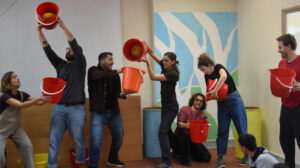
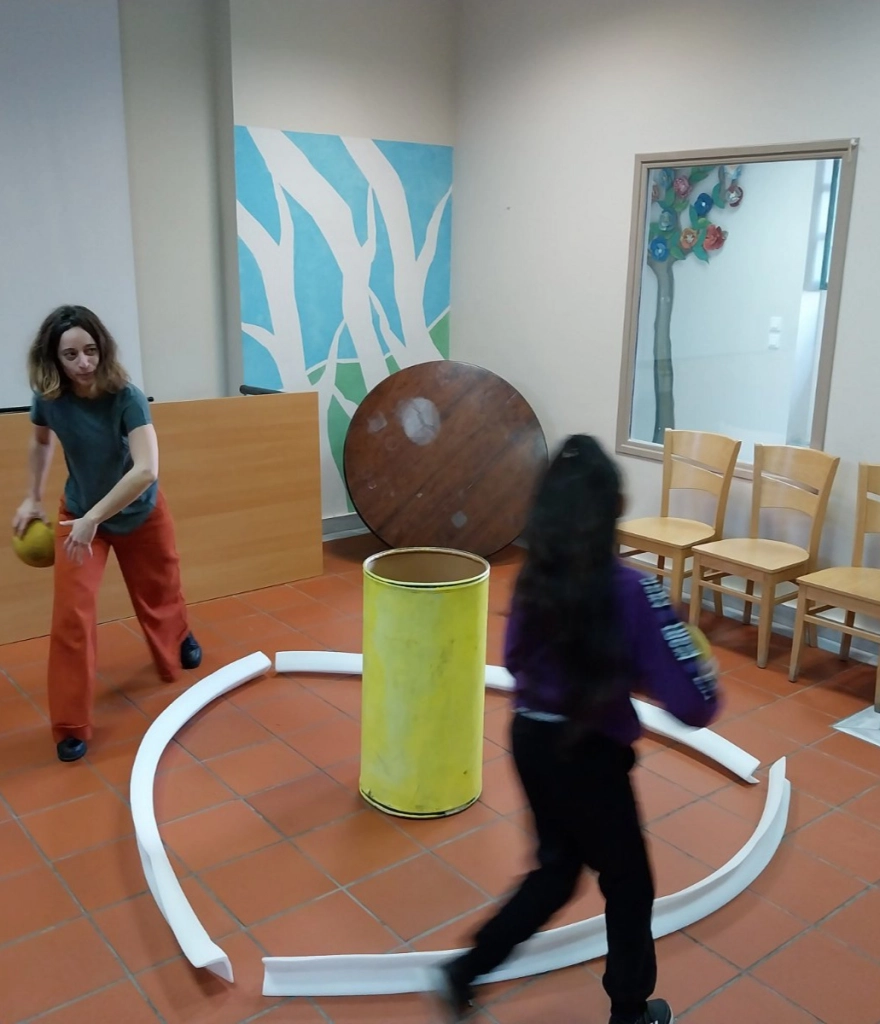
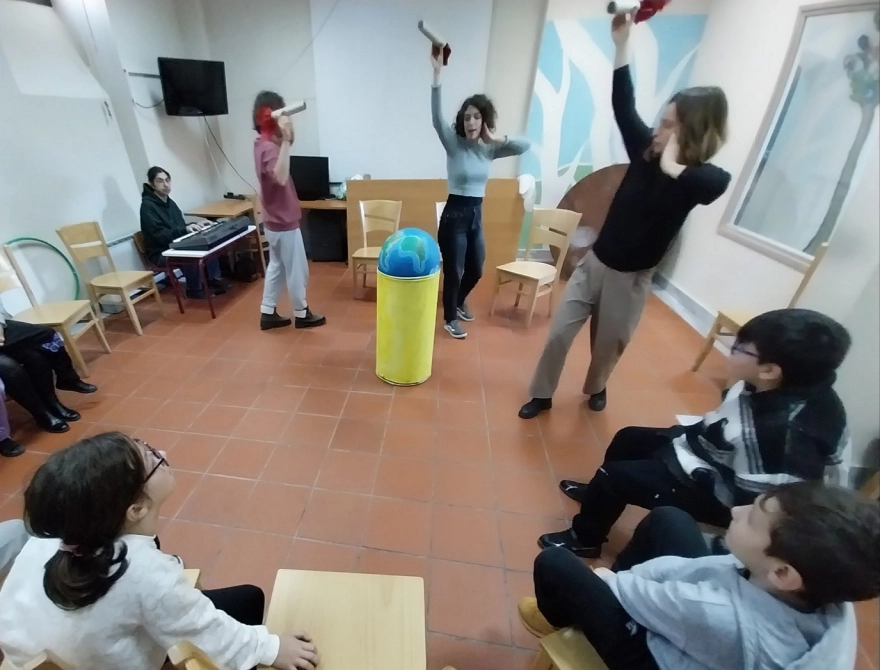
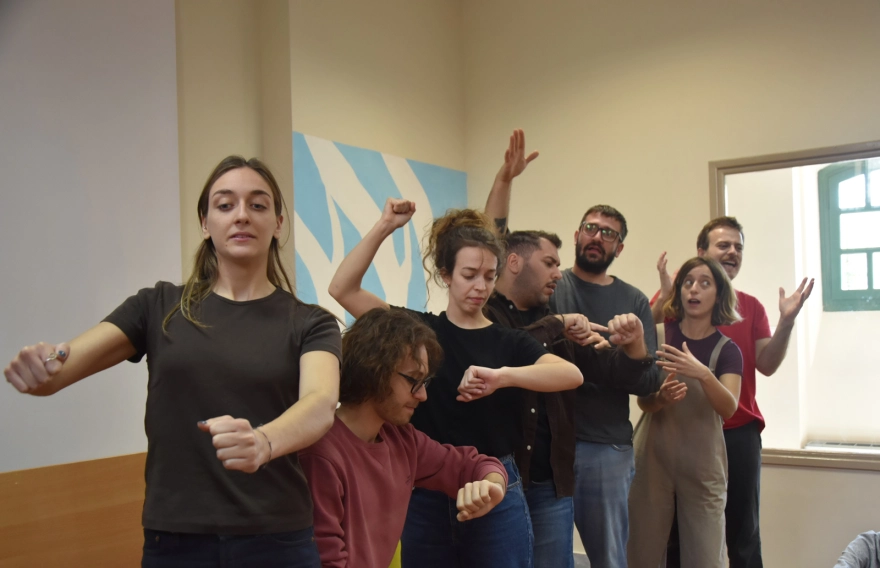
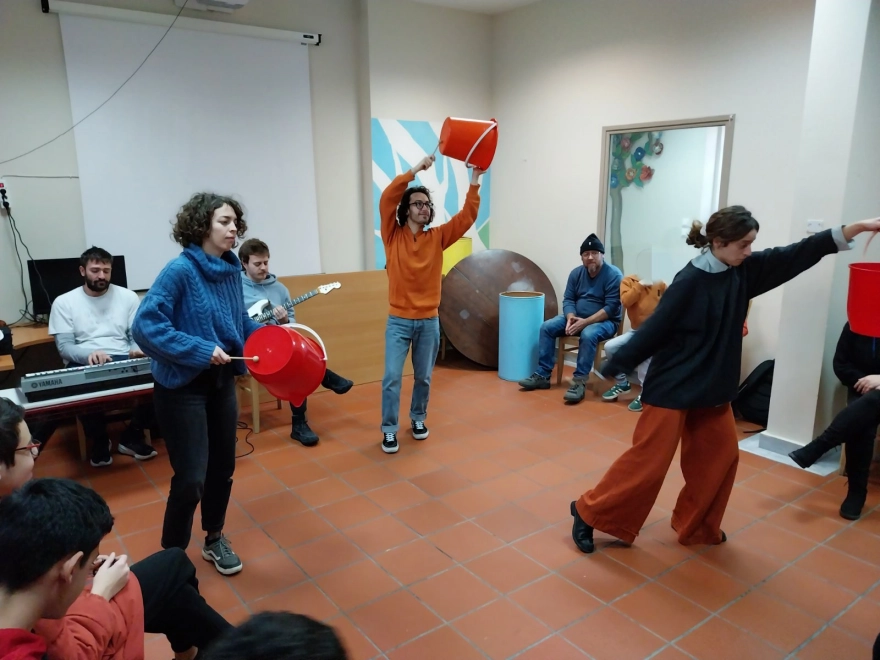
The vision of an open, inclusive, and equal education has been adopted by the 6th Special Elementary School of Athens, where 44 children with disabilities or special educational needs attend. To conquer autonomy, students participate in a variety of programs. A favorite is that of drama education with the ‘Parodos’ Art Group, which for years has been developing activities at the school every week.
“The theatre education program is of vital importance for us,” stresses protothema.gr the headmistress of the 6th Special Primary School of Athens, Theodora Bontsiou, a speech therapist with many years of experience in the field of special education.
The teacher, who is a teacher with extensive experience in the field of special education, is a teacher with a specialized training in the field of psychology.
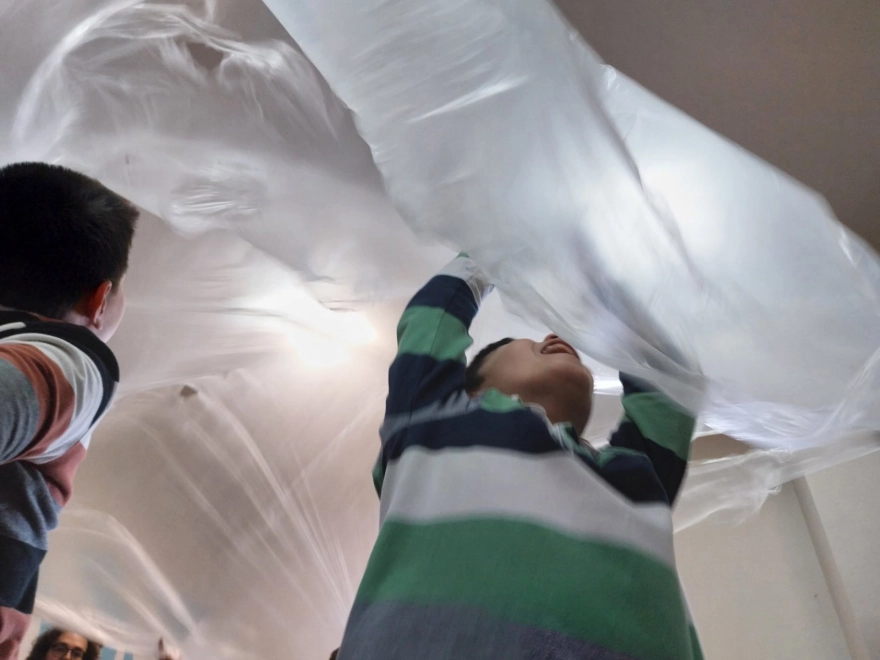
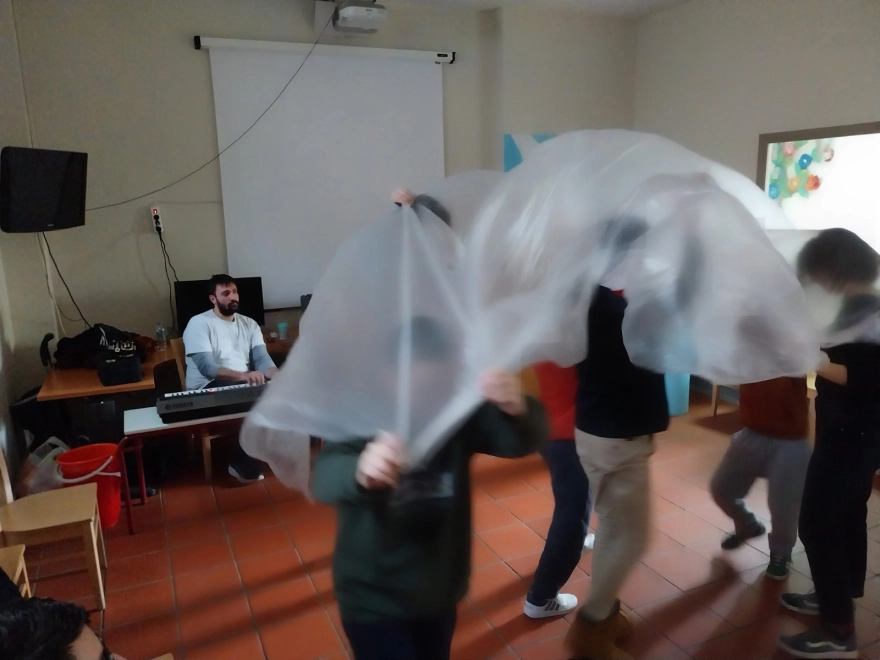
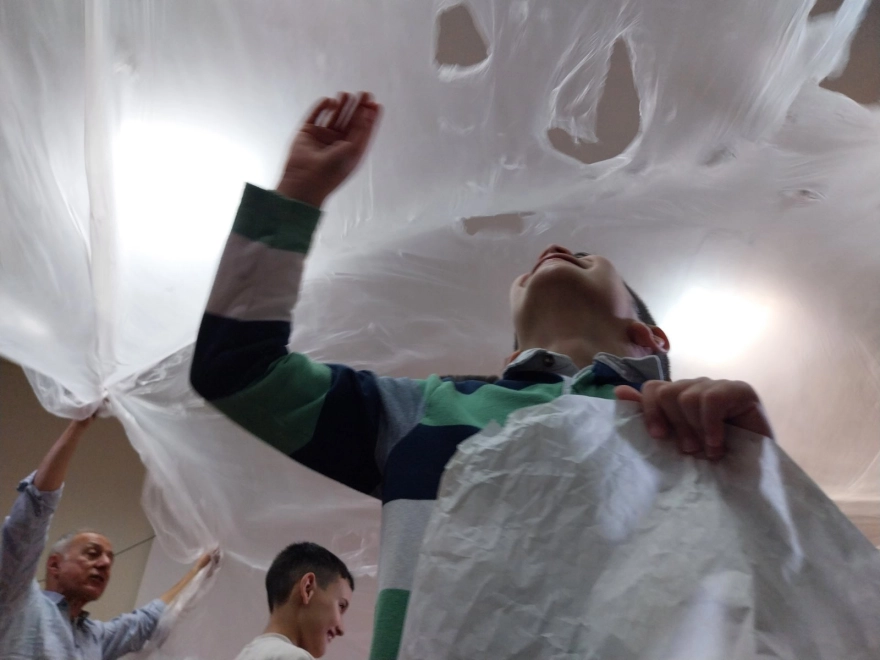
“Every week, when the Art Group ‘Parodos’ visits us, the children not only receive joy and knowledge through interaction, but they learn to follow the instructions of the animators, to follow the flow of the program, to respond to instructions, to wait for their turn, to be interested in the activity, to develop and express things even with their bodies if they are unable to do so verbally. In other words, they are ‘present’ in the activity and complete it. During the meeting there is an escalation, each time it has to be slightly above the level of the children – this is the ‘zone of closest development’, as defined by neuropsychologists – and in the course of our work with ‘Passage’, we notice a lot of progress in the children. Some children may be more active and others may communicate less, but they all participate. With the theatrical play, they ‘unlock’,” explains the director.
“In our weekly meetings with the children of the 6th Special Primary School, we start the theatrical play with ‘Kalimera’, a song that refers to the joy of play and is a reference point even for the less functional children,” Elias Pitsikas, head of the ‘Pathway’ Art Group, told protothema.gr.
Regarding the importance of Art and especially theatrical play for disabled children, Mr. Pitsikas noted: “Art is important in all areas of education – not just special education. I believe that if teachers of any specialty are unable to highlight play as a tool, then the resonance or interaction they are trying to create will be less. Play is a tremendous ‘tool’ but it also needs to be creative, not just fun. In addition, because we are in a period of intense audiovisual activity, we need to give children time to imagine something. Through play, the cultivation of symbolic thinking should be enhanced.”
School profile and programs
There are currently 44 children attending the 6th Special Primary School of Athens, divided into 10 sections of 4 to 6 children, and the teachers, every day, are putting their best foot forward.
It is housed in a former bus that is a preserved, restored building in Sepolia, at the intersection of Chatziapostolou and Triantafylloopoulou streets.
It was inaugurated in August 1927 as a municipal cowshed – by 1965, there were 600 cowsheds in Attica with about 10,000 cows in total, and in Sepolia, there were 14. Nowadays, it is an important landmark of the area, having been reintegrated into the daily life of the neighborhood, as the 6th Special Primary School is hosted on its premises.
Regarding the programs of the school, the majority of them are individualized, but at the same time, the educational-learning program defined in the Analytical Curriculum is applied. The lessons in gymnastics, computer science, music, drama, and visual arts are taught by teachers of the respective disciplines. The Special Education Staff, which staffs the school, is full, psychosocial support is provided and it is staffed by nursing staff. In addition, postgraduate students do practical training at the school and students from the University of Cyprus come to the school in the framework of Erasmus, while co-education activities are also carried out, such as with a neighboring kindergarten and the 66th Primary School of the area.
Aiming at a good adaptation to society, emphasis is given to the cultivation of autonomy and the level of self-sufficiency, as well as to the development of the maximum potential of the children attending the Special School. To this end, a library operates, and social skills development programs are run, in the context of which, pupils walk around the neighborhood, shop at the market, sit in cafes, and use the metro. One of the Educational Kitchens stands out: “It is a practice that we have been implementing for five years and all the children participate. They shop for ingredients, read recipes, cook in the kitchen, use tools, and develop skills. For the second year this year, we are doing it in the context of a survey, where we record the data and the progress of the students, in collaboration with the University of Cyprus”, says Ms. Bontsiou, who adds that “there are also sports activities, such as the bocce championships with the Stavros Niarchos Foundation or the visual arts lesson with Nikos Doumas, who organizes presentations of good practices, which he also applies to teachers in other schools”.
Sports activities are also held, such as the bocce championships with the Stavros Niarchos Foundation or the visual arts lesson with Nikos Doumas, who organizes presentations of good practices, which he also applies to teachers in other schools”.
Ask me anything
Explore related questions




