





It took only hours after the message from European leaders – some of whom had gone to Kiev – about the future of the war in Ukraine for Moscow’s reaction to come.
They had warned Moscow that unless it agreed to an unconditional 30-day ceasefire from Monday, there would be more sanctions against Russia and more military aid for Ukraine.
As we’ve seen before, Russia’s president doesn’t react well to ultimatums, says the BBC Steve Rosenberg, editor-in-chief for Russia affairs.
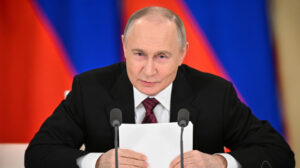
In midnight remarks late on Saturday, Vladimir Putin accepted his country engaging in direct talks with Ukraine, but blamed European powers for the “crude manner” and ultimatums with which they communicate with Russia.
Despite Ukraine’s response, all eyes are focused on Istanbul, where – barring the unlikely event – the meeting will take place on Thursday.
Crucially, as the BBC continues, there will be no immediate ceasefire, which is what Europe is calling for.
But does Vladimir Putin want peace, the editor wonders. He claims he does, but only on Russia’s terms, he replies, and wonders whether the Kremlin’s offer is a serious peace initiative or a Moscow ploy to buy time and prolong the war.
But on the other hand, is Russia with this proposal also trying to break up the Western coalition supporting Ukraine?
Moscow suspects it has little to gain from a 30-day ceasefire terms, especially since it believes they currently have the initiative on the battlefield in Ukraine. Yet it does not want to be seen as an obstacle to peace.
At the same time, he wants to maintain a good relationship with the Trump administration, with which the Kremlin is working hard to improve ties.
If the US-Russia rapprochement continues, the Kremlin will hope for a quick relief from sanctions and an economic boost.
By suggesting direct talks in Istanbul, the BBC comments, President Putin has sent a message to the White House: “I am a man of peace.” But without an immediate ceasefire, it is likely that Russia will continue the war and seek to seize and occupy more Ukrainian territory.
After Putin’s announcement, President Trump hailed the “tremendously important day for Russia and Ukraine.” Emmanuel Macron, by contrast, also described Putin’s offer as a “first step, but not enough”. The French president also said that before an unconditional ceasefire “no negotiations precede”. The proposal was also deemed sufficient by German Chancellor Friedrich Merz.
So despite European objections, as voiced by the French president, the green light from Washington put the Kremlin between the US administration and European leaders – with the former side ultimately bearing much more of the burden.
Ask me anything
Explore related questions




