






She calls the stars by their first names—and with many of them, she even has coffee. She has interviewed them all. She is the Hollywood reporter who has walked more red carpets than almost anyone else, having covered every major award show, from the Oscars to the Grammys, for a decade on E! Entertainment. The most experienced, connected, and accomplished television host and journalist in American showbiz is Despina (Debbie) Matenopoulos. The child of immigrants from Xanthi to Virginia, she built her career from scratch—starting as an intern at MTV and, after an audition, winning the role of Barbara Walters’ co-host on the talk show The View, which has been airing since 1997.

When I asked her for an interview, she cried with joy because, as she says, “In Greece no one knows me, except my cousins.” Now, we’ll get to know her a little better, as she prepares a new show of Greek recipes and travel that will soon launch on a subscription platform. Cooking, after all, is her true passion—she has written two bestselling books in the U.S. about Greek cuisine.
GALA: What does Greece mean to you?
Debbie Matenopoulos: My Greek identity is what defines me. First, I am Greek—then a woman, a mother, a journalist. I love Greece deeply. I believe it’s the most beautiful country in the world, offering a quality of life that’s unique. Certainly better than America—especially as it has become today. But even compared to all the countries I’ve traveled to—and I’ve been almost everywhere—Greece is unmatched. We Greeks have soul, we come from an ancient civilization, and we know what truly matters in life.
G.: How did you manage to survive in the competitive world of American television without connections or support?
D.M.: When I was little, my dad always told me I could achieve anything I set my mind to. And I believed him. People could tell me “no” a hundred times. I only need to hear one “yes” to keep going. Just one “yes.” But my father achieved something far greater than I ever could: he came with my mother and their two kids (my older siblings) from Xanthi to America in the 1970s with no money, no English, and no connections whatsoever. Whatever I do, I’ll never match what he accomplished.

G.: What was the hardest moment in your career?
D.M.: My greatest disappointment was when Hallmark canceled Home & Family after seven years, leaving 150 people without work. We had become a family—we were together every day. It was devastating. I was the one who had to break the news on set, and I cried as I told them.
G.: Did you ever turn down an offer you regret?
D.M.: Oh yes—American Idol. My manager wanted me to co-host it back when it was still in development and no one knew how huge it would become. Coming from The View, I thought it was beneath me to do a singing reality show. My manager still teases me about it. He always says I should’ve listened to him. That taught me never to say “no” again—at least not before I see what’s really being prepared.

G.: What’s it like living among celebrities in Los Angeles?
D.M.: I’ve lived in Beverly Hills for many years now. My home is here, my daughter goes to school here. My neighbors, the people I see at the grocery store or the market, are stars. I often run into Jon Voight, Angelina Jolie’s father—he’s so kind, always invites me for coffee and talks for hours. Sometimes I join, other times I’m in a rush and make excuses.
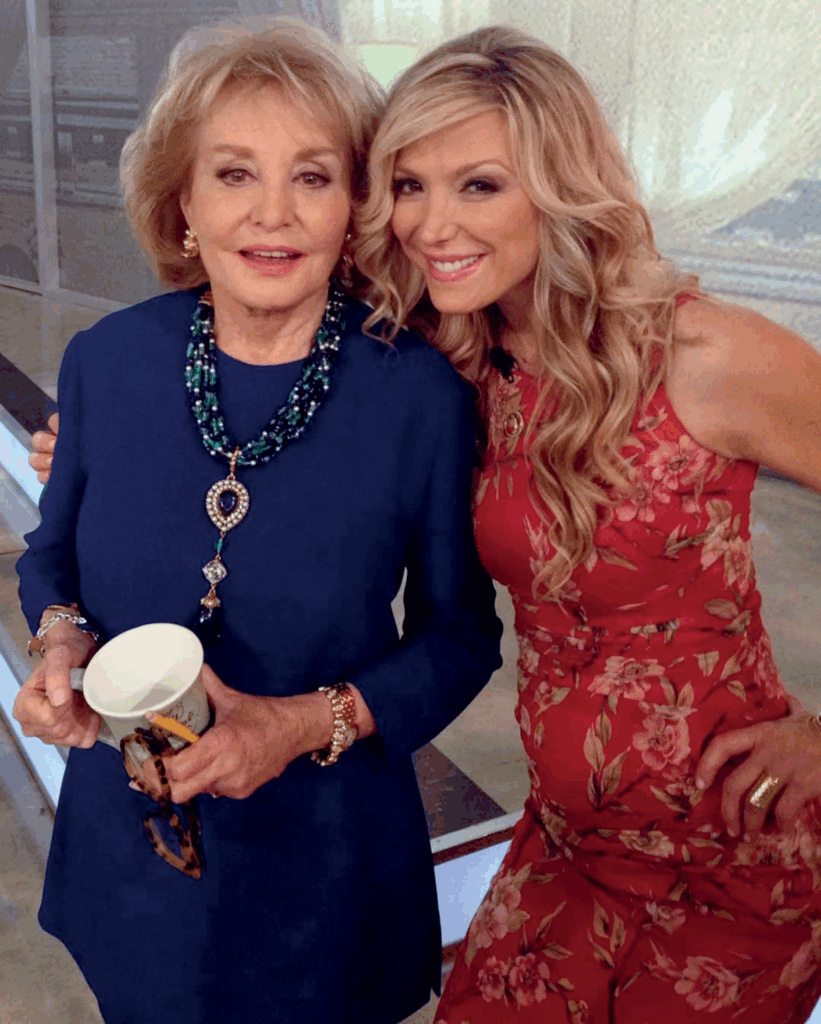
I’ve interviewed Angelina many times—we say hello when we cross paths, but we’re not friends. Same with Brad—and he’s so handsome! Even more in person—he has a kind of swagger. Jennifer Aniston is very sweet. I used to be friends with her father before he passed—we’d attend Greek community events together. Jennifer didn’t usually come. John Stamos does—he and I are close, we even share the same manager. As for the Kardashians—we don’t live near each other, but we know one another. I’ve interviewed all of them, from Kris to Kylie. Khloe and Kim worked with me at E! back when no one knew them. I did Kim’s very first interview, when she was still organizing Paris Hilton’s closets. I even remember going to her tiny apartment where she baked me chocolate chip cookies.
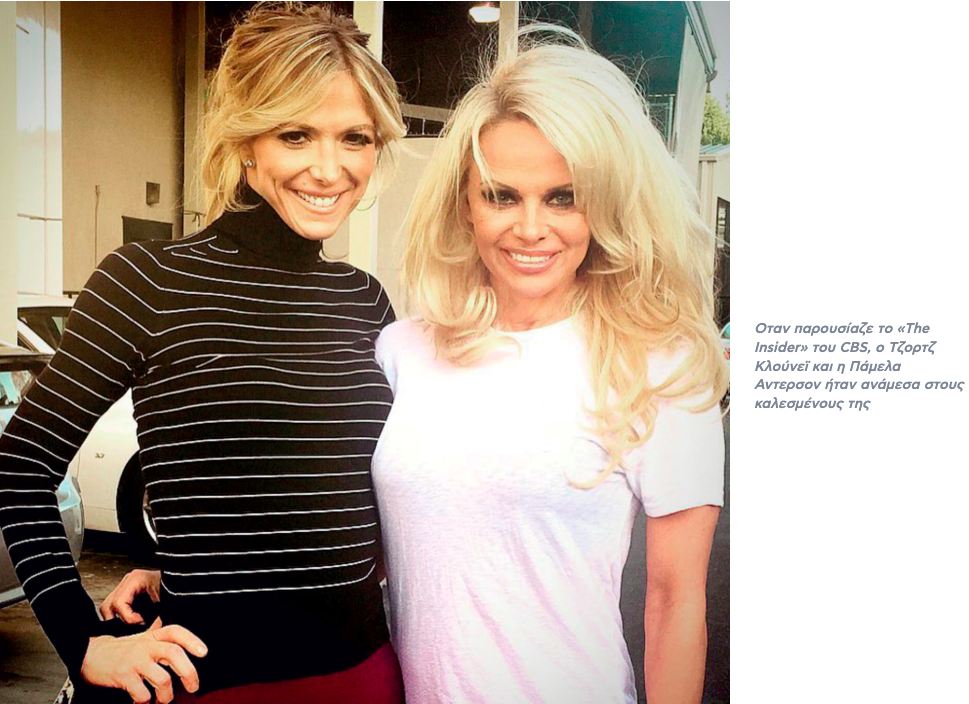
G.: How glamorous are the Oscars up close?
D.M.: For ten years I covered every red carpet for E!—the Oscars, Golden Globes, Emmys, SAG Awards, Grammys. At first, I was dazzled—it felt like a giant party with gowns, lights, and glamour. But eventually, it became just work. Now, I don’t miss the red carpet at all—it’s not the same anymore. Events are smaller, many aren’t even broadcast on TV. I prefer watching the Oscars from home. Being in the theater isn’t much fun—it’s very strict. You can’t leave your seat, and if you do, you can’t return until the next break. You’re not allowed to turn your head—you must face forward at all times.

G.: Are all the stories we hear about celebrities’ troubled lives true?
D.M.: Most of the time, yes. Their lives are difficult. They shoot two films a year—that’s four to five months of work—and then they have nothing meaningful to do with the rest of their time. No motivation, no purpose. I’ve seen many destroy themselves this way. Without family—people who truly love them, not their fame or money—they have nothing to hold onto. This industry can devour you if you’re not careful.
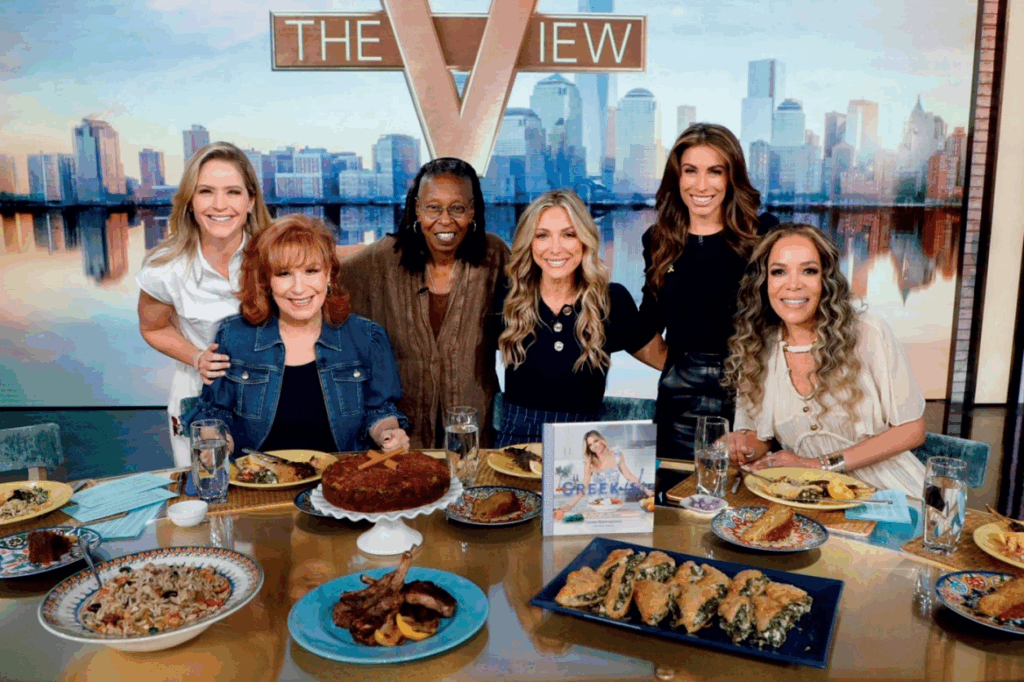
G.: But you’re in this industry too.
D.M.: Yes, but I have my family, and my Greek roots would never let me be consumed like that. No matter what anyone offers me, I’m not for sale. People have tried to exploit me, manipulate me—especially when I was young. They’d say, “If you do this, you’ll get the job,” or “If you say that, you’ll land the role.” I always told them, “Forget it, I don’t care. I won’t take the job.” I’m proud of my career, but if I didn’t do this, I’d find something else. I faced #MeToo situations many times—but I never gave those men power, and I never got a job that way. That’s why I didn’t go public with stories—I just moved on.
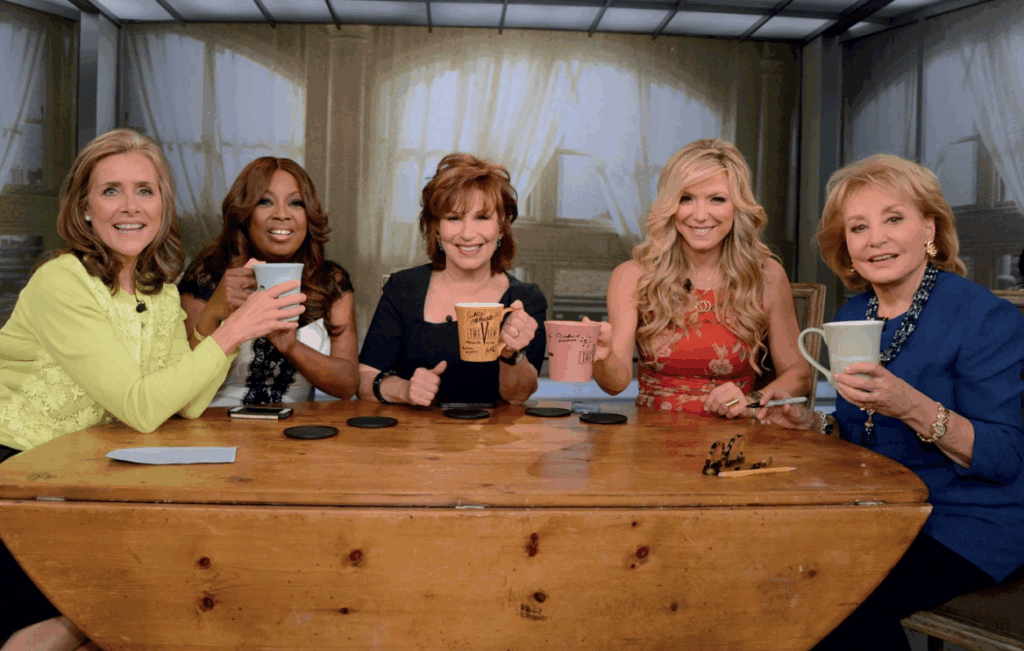
G.: Do you think women can still have a place on TV as they get older?
D.M.: In the past, no. Not even Barbara Walters dared to reveal her age. Today things have changed—women are allowed to age. Even plastic surgery isn’t taboo anymore. Kris Jenner openly talked about her facelift, and now people line up for her surgeon. The real problem isn’t whether older women can be on TV—it’s whether TV will even exist. Social media is swallowing the advertising budgets, leaving little for television production. Where this will lead, I honestly don’t know.

Ask me anything
Explore related questions




