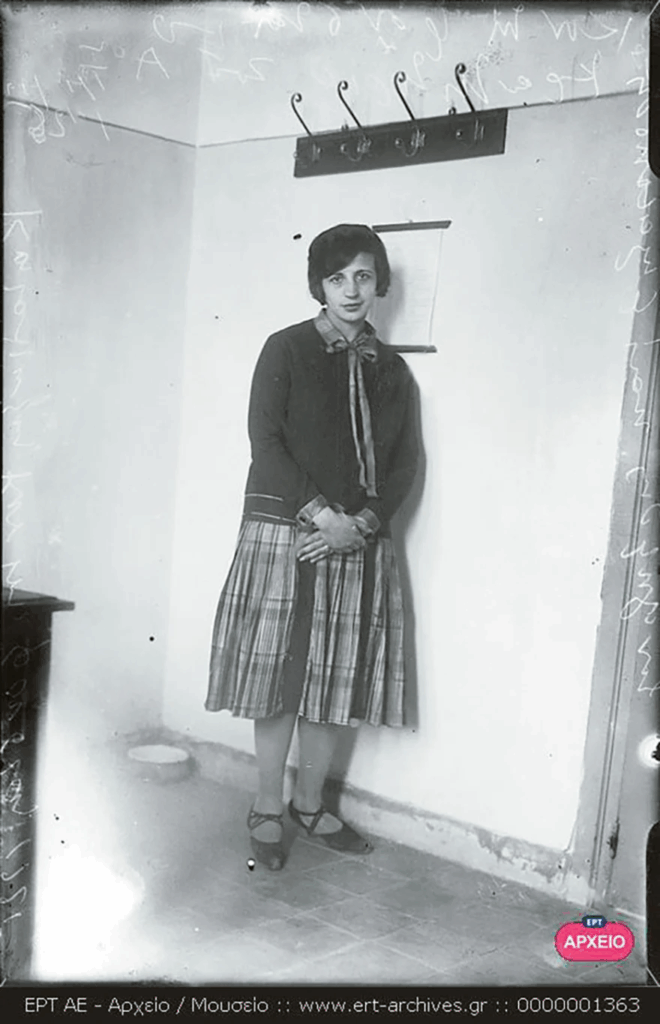
When dictator Pangalos banned short skirts – Police in the streets of Athens used measuring tapes to check women’s clothing
On 30 November 1925, almost 100 years ago, the Greek Prime Minister issued a 77-word decree setting 30 centimeters as the maximum allowable distance between a woman’s skirt and the ground
Newsroom
Δείτε περισσότερα άρθρα μας στα αποτελέσματα αναζήτησης
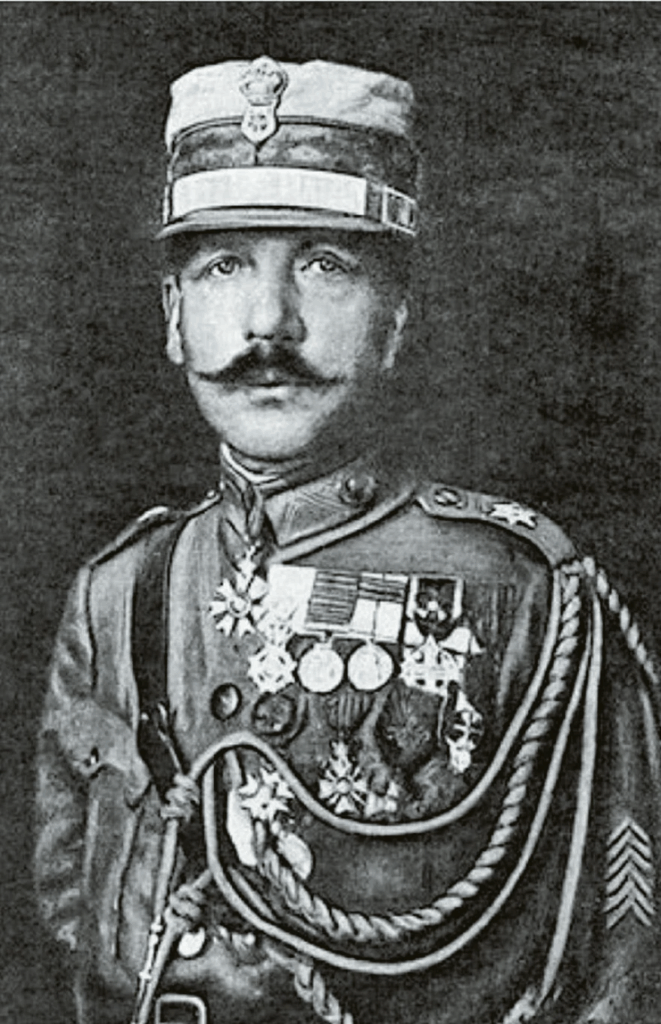
Theodoros Pangalos (1878–1952), a military officer, assumed the office of prime minister and established a dictatorship after the movement of 25 June 1925. His short rule is considered problematic, both politically and diplomatically, following the Asia Minor Catastrophe.
A dangerous leader for the country
Pangalos’ dictatorship is remembered mainly for three events:
The Greek Army’s incursion into Bulgaria, triggered by a small border incident, which ended with intervention by the League of Nations and Greece being ordered to pay compensation of 50,000 gold pounds (the “Petrich incident”).
A peace treaty with Serbia, granting joint management of the port of Thessaloniki, based on a vague anti-Turkish vision. This was later cancelled by the next government.
A decree banning skirts shorter than 30 cm from the ground for all girls and women aged 12 and over. This decision was widely ridiculed by the public. Many years later it even became the subject of a popular song by composer Giorgos Mitsakis, sung by Giorgos Dalaras: “In the time of Pangalos, skirts were long.”
The 77-word decree
On 30 November 1925, Pangalos signed a brief decree announcing that short skirts were prohibited. The press published the order the next day, stating:
“By order of the President of the Government, an administrative regulation is drafted and submitted to the Ministry of the Interior for approval, prohibiting short women’s skirts. The lower edge of the skirt must be 30 centimeters from the ground. This applies to all women aged 12 and above. Offenders will be referred to the misdemeanour court, and parents will also be held responsible. The measure will take effect on 15 December.”
The announcement came at a time when European fashion was moving toward shorter dresses, influenced by Coco Chanel and the trend toward women’s emancipation. Greek women were trying to follow these developments, but the decree forced many to lengthen their garments, leading to long queues at tailors and seamstresses.
The jealous wife – myth or reality
According to an unverified story, the idea for the decree was sparked when Pangalos’ wife, Ariadni Sklia-Sachtouri, visited his office and saw a young woman wearing a knee-length skirt. She reportedly reacted strongly, accusing the guards of allowing such attire. Whether true or not, Ariadni was known as a very conservative and jealous woman, and soon after this visit, the head of the recently established Police of Cities, Ioannis Kalyvitis, was summoned for instructions.
The official justification
Pangalos offered reasons for the measure, referring to “Greek traditions,” the “impropriety” of modern fashion, and the “imitation of foreign habits.” He argued that short skirts were incompatible with Greek customs and aesthetic values, and that the measure was meant to “elevate” women’s position in society.
The police regulation
On 2 December, a detailed police order was published. It required women and girls over 12 to wear skirts no shorter than 30 cm from the ground when in public spaces. Parents and guardians were held responsible for minors. The regulation would take effect 15 December and offenders would be punished according to the Penal Code.
Some unofficial information was also released, suggesting that the limit might be raised to 35 cm and that inspections would be done only by police officers, perhaps in an attempt to calm reactions.
Public reactions
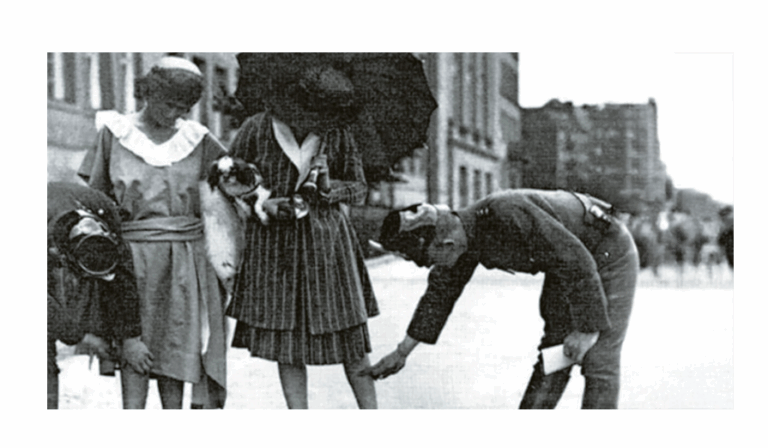
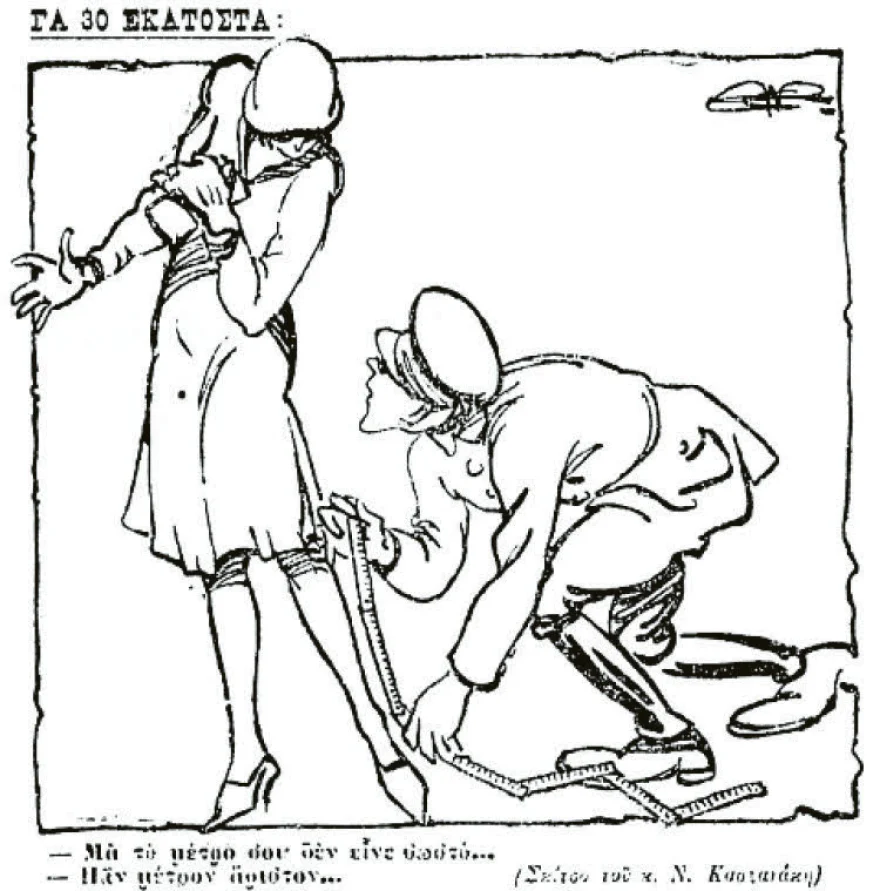
The announcement was met with widespread amusement and criticism. Newspapers responded humorously, despite censorship. Many questioned how the measurements would be taken. Soon, in the streets of Athens, police began stopping women and using measuring tapes. Crowds gathered, commenting and laughing, while women and their families protested.
Conservative men also objected, uncomfortable with police touching their wives’ or daughters’ legs to take measurements, and unhappy with the cost of modifying clothing. Some cases even reached the courts, where women stood trial before curious onlookers.
“Defeated by the female calf”
On 7 January 1926, the skirt limit was officially increased to 35 cm. Writer Stratis Myrivilis criticized Pangalos, writing that he had been “defeated by the female calf.”
The first arrest
On 21 March 1926, after Pangalos ordered strict enforcement with “arrest, immediate trial, conviction, imprisonment,” the first known arrest occurred. A 22-year-old woman, Katina Vogiatzis, was detained because her skirt was measured at 38 cm from the ground. In court she appeared unconcerned and said she had thought the regulation had been abolished. She was sentenced to 24 hours of detention but was released the same evening by order of Pangalos.
More arrests followed, provoking further criticism. Writer Grigorios Xenopoulos described the humiliation of respectable young women who were arrested, photographed, tried, and mocked.
Withdrawal of the decree
The measure was withdrawn on 31 March 1926, after international newspapers began publishing photos and reports that depicted Greece unfavorably. Pangalos realized the regime was becoming a subject of ridicule. A few months later, on 24 August 1926, he was removed from power by a coup led by Georgios Kondylis. His 14-month rule remains memorable—but not for positive reasons.